Recipes
Classic Potato Gnocchi Recipe
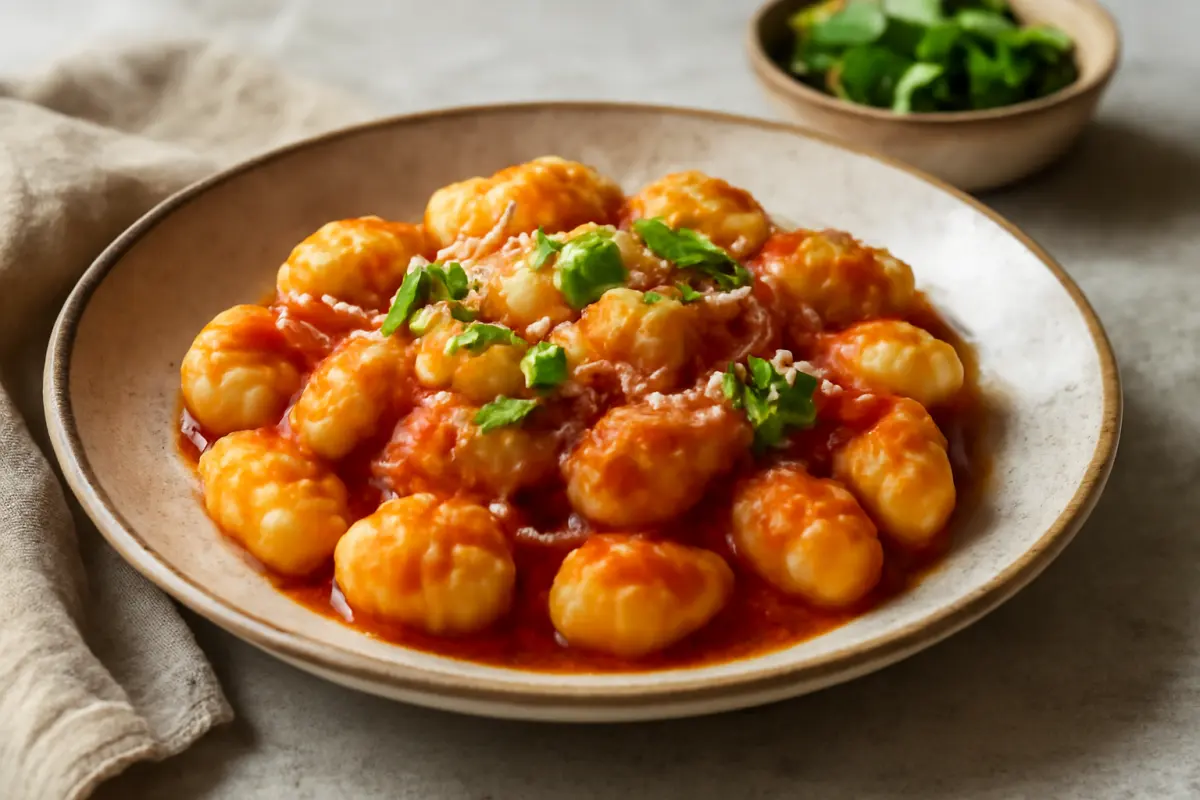
This classic potato gnocchi recipe makes soft, tender dumplings with a delicate chew. Baking the potatoes keeps the dough dry, while gentle mixing helps prevent heavy, gummy gnocchi.
Overview
This classic potato gnocchi recipe uses russet potatoes, egg yolk, flour, and salt to make tender dumplings from scratch. Baking the potatoes rather than boiling them keeps excess water out of the dough, which helps the gnocchi stay light instead of turning dense.
The dough comes together quickly once the potatoes are warm. Work it only until it holds together, then roll, cut, and cook the gnocchi in batches. They are ready when they float and remain slightly springy when pressed.
Ingredients
- 2 pounds russet potatoes, scrubbed and dried
- 1 large egg yolk
- 1 teaspoon fine salt, plus more for the cooking water
- 1 1/4 cups all-purpose flour, plus up to 1/4 cup more for the work surface and adjustments
- Semolina flour or additional all-purpose flour, for dusting
- Sauce or toppings, for serving, such as melted butter and grated Parmesan
How to make it
Bake the potatoes. Heat the oven to 425°F. Pierce the potatoes several times with a fork and place them directly on the oven rack or on a baking sheet. Bake for 45 to 60 minutes, until a knife slides easily into the centers. Larger potatoes may need a few extra minutes.
Peel while hot. Let the potatoes cool just until they are safe to handle, about 5 minutes. Split them open, scoop the flesh into a bowl, and discard the skins. For the smoothest dough, press the potato through a ricer or food mill while it is still warm. If you do not have one, mash thoroughly with a potato masher, stopping as soon as the pieces are smooth. Do not use a food processor, which can make the potatoes gluey.
Add the egg and salt. Spread the warm potato into a loose, even layer and let it steam for 5 to 10 minutes. Sprinkle over the salt, then add the egg yolk. Mix gently with a fork or your hands until the yolk is evenly distributed.
Add the flour gradually. Sprinkle 1 cup of the flour over the potato mixture. Fold and press the mixture together with your hands. Add the remaining 1/4 cup flour and knead very briefly, just until the dough forms a soft, cohesive ball. The dough should feel pliable and slightly tacky, but it should not cling heavily to your fingers. If it is wet or sticky, add the extra flour 1 tablespoon at a time; stop as soon as the dough becomes workable.
Test the dough. Bring a large pot of water to a gentle boil and salt it generously. Pinch off a teaspoon-sized piece of dough, roll it into a small ball, and simmer it for about 2 minutes. Taste it after it floats. If it falls apart, knead 1 to 2 tablespoons more flour into the remaining dough. If it is firm and chewy, avoid adding more flour.
Roll the ropes. Lightly flour the work surface. Divide the dough into 4 pieces. Roll each piece with your palms into a rope about 1/2 inch thick, using only enough pressure to lengthen it without compressing it. Dust lightly with flour if the dough sticks.
Cut the gnocchi. Use a lightly floured knife or bench scraper to cut each rope into pieces about 3/4 inch long. Leave the pieces as small pillows, or roll each one gently over the tines of a floured fork to make shallow ridges. Transfer the shaped gnocchi to a flour- or semolina-dusted baking sheet in a single layer. Keep them separated so they do not stick together.
Cook in batches. Lower a batch of gnocchi into the gently boiling water. Stir once carefully after adding them so they do not settle on the bottom. They will sink at first, then rise to the surface in about 2 to 3 minutes. Once they float, cook for 30 to 60 seconds more. Lift them out with a slotted spoon or skimmer and transfer them directly to your sauce. Repeat with the remaining gnocchi.
Finish and serve. Toss the cooked gnocchi gently with your chosen sauce. For a simple finish, melt butter in a skillet until it smells nutty and turns golden, then add the gnocchi and a splash of cooking water. Sprinkle with Parmesan and serve immediately.
Expert tips
- Choose dry, starchy potatoes. Russets work better than waxy potatoes because they need less flour to form a dough.
- Do not let the potatoes cool completely before ricing. Warm potatoes break down more easily and produce a smoother mixture.
- Use a light touch. Excessive kneading develops a stretchy, heavy texture. Stop mixing as soon as the dough holds together.
- Do not flour the dough excessively. A little tackiness is preferable to a dry dough. Too much flour makes the finished gnocchi tough.
- Keep shaped gnocchi in one layer. If they touch or sit in a pile, they can stick together before cooking.
- If the gnocchi are gummy, the potatoes may have held too much moisture, the dough may have been overworked, or the gnocchi may have been undercooked. Bake the potatoes next time, mix less, and cook until the centers are tender.
- If the gnocchi fall apart, the dough needs a little more flour or the water may be boiling too aggressively. Adjust the dough with 1 tablespoon of flour at a time and keep the water at a gentle boil.
- For make-ahead preparation, freeze the uncooked gnocchi in a single layer on a floured baking sheet until firm, then transfer them to a sealed freezer bag. Cook from frozen without thawing, adding about 1 to 2 minutes to the cooking time.
Serving and storage
Serve the gnocchi hot with browned butter, tomato sauce, pesto, cream sauce, or a hearty vegetable sauce. Handle them gently after cooking because they are soft and can break if stirred vigorously.
Refrigerate cooked gnocchi in a covered container within 2 hours of cooking and use within 3 to 4 days. Toss them with a little oil before refrigerating to reduce sticking. Reheat gently in a skillet with sauce or a splash of water; boiling them again can make them soft and fragile. Uncooked gnocchi are best frozen rather than refrigerated for an extended period, since the dough can become wet and sticky.
Frequently asked questions
Why did my potato gnocchi turn out dense?
The most common causes are wet potatoes, too much flour, or overworking the dough. Bake the potatoes instead of boiling them, add flour gradually, and knead only until the dough comes together.
Can I make potato gnocchi without a ricer?
Yes. Mash the hot potatoes thoroughly with a potato masher, but avoid a food processor or blender. Work out the lumps before adding the egg and flour, and stop mixing as soon as the dough is cohesive.
How do I know when gnocchi are done?
Raw gnocchi sink when added to the water. They usually rise after 2 to 3 minutes; once they float, cook them for another 30 to 60 seconds. A finished piece should feel tender and slightly springy in the center when tasted.
Can I freeze homemade gnocchi?
Yes. Freeze the shaped, uncooked gnocchi in a single layer until firm, then seal them in a freezer bag. Cook them directly from frozen in gently boiling salted water, allowing a little extra time after they rise.