Recipes
Garlic Parmesan Roasted Cauliflower Recipe
This garlic Parmesan roasted cauliflower has caramelized edges, tender centers, fragrant garlic, and a savory Parmesan finish. Roast the florets in a single layer for the best browning, then add the garlic partway through so it turns golden rather than bitter.

Overview
This garlic Parmesan roasted cauliflower is crisp-edged, tender in the center, and savory enough to serve as a side dish or a simple meatless main. The cauliflower roasts first to develop color, while the garlic is added later to keep it fragrant instead of scorched.
For the best texture, cut the florets into similar-sized pieces and spread them across the baking sheet without crowding. Freshly grated Parmesan melts and browns more evenly than the shelf-stable grated kind, and a short rest after roasting helps the cheese set onto the cauliflower.
Ingredients
- 1 large head cauliflower, about 2 pounds, trimmed and cut into 1 1/2-inch florets
- 3 tablespoons extra-virgin olive oil, divided
- 3/4 teaspoon fine salt, divided
- 1/2 teaspoon freshly ground black pepper
- 4 garlic cloves, finely minced
- 1/2 cup finely grated Parmesan cheese, about 1 1/2 ounces
- 1 tablespoon chopped fresh parsley, for finishing, optional
- 1 teaspoon fresh lemon juice, for finishing, optional
How to make it
Heat the oven and prepare the pan. Set a rack in the upper-middle position and heat the oven to 425°F. Line a large, rimmed baking sheet with parchment if desired. A dark, unlined metal sheet will usually encourage more browning, but parchment makes cleanup easier.
Dry and season the cauliflower. Pat the cauliflower thoroughly dry with a clean kitchen towel. Moisture on the florets will make them steam instead of roast. Toss the florets with 2 tablespoons of the olive oil, 1/2 teaspoon of the salt, and the black pepper. Spread them in a single layer with the flat sides touching the pan where possible. Leave a little space between pieces; use two pans if the florets are crowded.
Roast until browned. Roast for 20 minutes, then turn the florets with a spatula. The undersides should have some golden-brown patches, and the edges should be beginning to soften.
Add the garlic. Stir the minced garlic into the remaining 1 tablespoon olive oil and toss it with the partially roasted cauliflower. Sprinkle over the remaining 1/4 teaspoon salt. Return the pan to the oven and roast for 6 to 8 minutes, until the garlic smells fragrant and the cauliflower is deeply golden at the edges. If the garlic is darkening quickly, lower the pan to the middle rack.
Add the Parmesan. Sprinkle the Parmesan evenly over the cauliflower. Roast for 2 to 4 minutes more, just until the cheese melts and forms small golden patches. The largest florets should be easily pierced with a fork but not collapsing or watery.
Finish and serve. Let the cauliflower cool on the pan for 2 minutes. Finish with parsley and lemon juice, if using, and serve while hot. The lemon should add brightness without making the cauliflower taste sour, so add it gradually.
Expert tips
- Cut for even cooking: Very small florets can burn before larger pieces are tender. Aim for pieces about 1 1/2 inches across, with the thicker stems sliced into similar-sized chunks.
- Do not wash and immediately roast: If you rinse the cauliflower, dry it especially well. Even a few minutes of towel-drying improves browning.
- Use pre-grated Parmesan if needed: It works in a pinch, but freshly grated Parmesan usually melts into a smoother, more cohesive coating.
- Substitute carefully: Pecorino Romano can replace Parmesan, but use about 1/3 cup because it is saltier. Broccoli florets can replace up to half the cauliflower, though they may finish a few minutes sooner. Garlic powder is not a direct replacement for fresh garlic; if necessary, use 1 teaspoon with the initial seasoning and skip the late garlic step.
- If the cauliflower is pale: The pan was likely crowded or the florets were wet. Transfer the cauliflower to a larger pan and roast 5 to 10 minutes longer, watching the garlic and cheese closely.
- If the garlic tastes bitter: It was exposed to high heat too long. Scrape away any blackened pieces, add a little fresh Parmesan and lemon juice, and next time add the garlic during the final 5 to 8 minutes.
- For extra-crisp edges: Preheat the empty baking sheet for 5 minutes, then carefully add the seasoned cauliflower. Use a metal spatula to turn it after the first roast.
Serving and storage
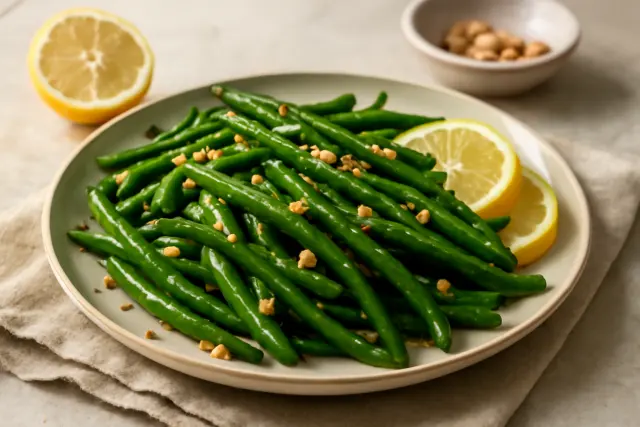
Serve the cauliflower as a side with roasted chicken, fish, steak, or pasta. It also works in a grain bowl with rice or quinoa, a warm salad, or alongside a saucy dinner such as creamy garlic Parmesan chicken. For another vegetable side with a brighter flavor, pair it with lemon garlic green beans.
Refrigerate leftovers in a shallow airtight container within 2 hours of cooking and use them within 3 to 4 days. Reheat in a 400°F oven or toaster oven for 8 to 12 minutes, until hot and lightly crisp at the edges. Microwaving is faster but makes the cauliflower softer. The roasted cauliflower can be frozen, but its texture will be less crisp after thawing; reheat it directly from frozen in a hot oven.
Frequently asked questions
Can I make garlic Parmesan roasted cauliflower with frozen cauliflower?
Yes, but do not thaw it first. Spread the frozen florets on a hot, lightly oiled baking sheet and roast at 450°F until most of the surface moisture has evaporated, about 20 minutes. Add the garlic and Parmesan near the end, then roast until browned. The finished cauliflower will be less crisp than fresh cauliflower.
Why is my roasted cauliflower soggy?
The florets were probably wet, cut too large, or crowded on the pan. Dry them thoroughly, leave space around each piece, and use two baking sheets if needed. Turning the florets once also helps both sides contact the hot pan.
Can I prepare this recipe ahead of time?
You can cut and dry the cauliflower up to 1 day ahead and refrigerate it in a covered container. For the best texture, season and roast it just before serving. Cooked leftovers reheat well in a hot oven but will not be quite as crisp as freshly roasted cauliflower.
What can I use instead of Parmesan?
Pecorino Romano is the closest substitute, although it is saltier, so reduce the added salt slightly. A firm vegetarian hard cheese can also work if it melts and browns well.