Recipes
Baking Soda and Pink Himalayan Salt Combination Recipe
There is no need to drink a baking soda and pink Himalayan salt mixture. A useful culinary combination is a small amount of baking soda and salt in chickpea cooking water, where the baking soda helps soften the beans and the salt seasons them.
Overview
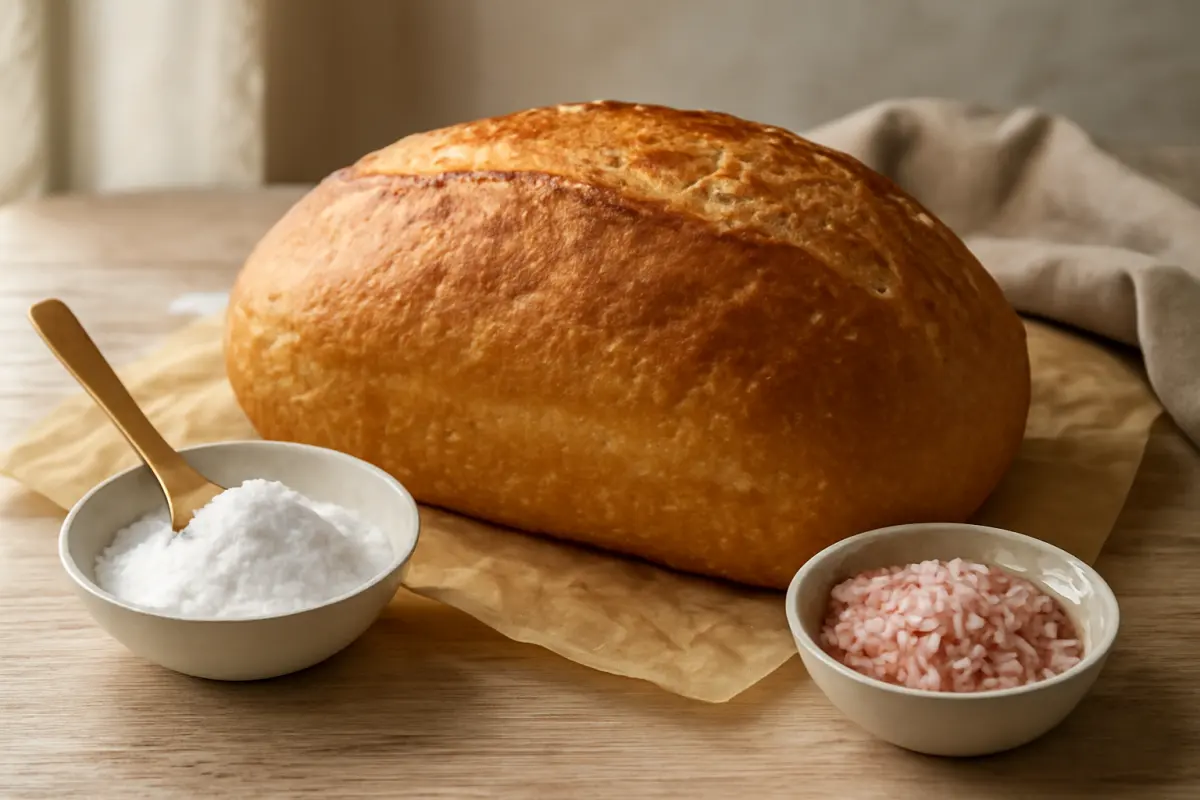
Baking soda and pink Himalayan salt do not need to be mixed into a drink to be useful. In the kitchen, a small amount of baking soda can be added to chickpea cooking water, while pink Himalayan salt seasons the beans as they cook.
This method is designed for dried chickpeas. It produces beans that are tender enough for salads, dips, and curries without making them taste noticeably alkaline or overly salty. Use the quantities below rather than adding the ingredients by eye, because too much baking soda can give chickpeas a soapy flavor and make their skins break down.
Ingredients
- 1 cup (about 200 g) dried chickpeas
- 6 cups cold water, plus more for soaking if needed
- 1/2 teaspoon baking soda, divided
- 1 teaspoon finely ground pink Himalayan salt, or use 3/4 teaspoon if your salt is very fine
- 1 bay leaf, optional
- 1 small garlic clove, lightly crushed, optional
How to make it
Sort and rinse the chickpeas. Spread the dried chickpeas on a plate and remove any stones or shriveled beans. Rinse them under cold water until the water runs mostly clear.
Soak the chickpeas. Put the chickpeas in a large bowl and cover them with at least 4 cups cold water. Stir in 1/4 teaspoon of the baking soda. Leave them at room temperature for 8 to 12 hours. The chickpeas will swell noticeably, so use a bowl with plenty of room.
Drain and rinse well. Pour the chickpeas into a colander and rinse them under cold running water. Rinsing removes excess soaking water and helps prevent the finished chickpeas from tasting alkaline.
Start the cooking water. Transfer the rinsed chickpeas to a large pot. Add 6 cups fresh cold water, the remaining 1/4 teaspoon baking soda, and the pink Himalayan salt. Add the bay leaf or crushed garlic if using. The water should cover the chickpeas by about 2 inches; add a little more water if necessary.
Bring the pot to a boil. Set the pot over medium-high heat. Once the water reaches a full boil, skim off any gray-white foam from the surface with a spoon. Lower the heat to maintain a gentle simmer, then partially cover the pot.
Cook until tender. Simmer the chickpeas for 45 to 75 minutes, checking them after 45 minutes. Cooking time varies with the age and size of the beans. They are ready when you can easily crush one between your thumb and finger, with no firm or chalky center. For chickpeas intended for hummus, cook them until very soft and the skins begin to loosen.
Check the liquid during cooking. Keep the chickpeas mostly submerged. If the water level drops below the beans, add hot water in 1/2-cup increments. Avoid adding cold water, which can interrupt the simmer and extend the cooking time.
Drain and cool. Remove the bay leaf and garlic, if used. Drain the chickpeas, then taste one while warm. Add a small pinch of salt only if needed. Let them cool before using them in a salad, or use them hot in a stew or curry.
Use the cooked chickpeas. Serve them warm with olive oil and lemon, blend them into a dip, or fold them into a chickpea salad recipe. The chickpeas should hold their shape but yield easily when bitten.
Expert tips
- Do not drink the mixture. Baking soda is included here as a cooking ingredient, not as a homemade wellness drink or remedy. Keep the quantities small and use the mixture only in the cooking process.
- Pink salt is optional. It works like regular table salt in this recipe. If you only have kosher salt or fine sea salt, use the same weight—about 5 g total—or adjust by taste because crystal sizes vary.
- Avoid too much baking soda. More is not better. Excess baking soda can make the chickpeas mushy, dull their flavor, and leave an unpleasant alkaline aftertaste.
- Older chickpeas need longer cooking. If the beans are still firm after 75 minutes, continue simmering and add hot water as needed. Very old beans may remain firm even after prolonged cooking.
- For firmer salad chickpeas, begin checking at 45 minutes and drain them as soon as the center is tender. For hummus, continue cooking until the beans are exceptionally soft.
- A pressure cooker changes the timing. Use the same soaked, rinsed chickpeas but follow your appliance's instructions for liquid level and pressure-cooking time. Do not fill the cooker beyond its recommended limit because chickpeas expand and can foam.
Serving and storage
Use the chickpeas immediately in salads, soups, curries, or dips. Cool leftovers promptly in a shallow container, then refrigerate them in a covered container with a little of their cooking liquid. Use within 3 to 4 days.
For longer storage, drain the cooled chickpeas well and freeze them in a single layer until solid. Transfer them to a freezer-safe container or bag and use within 2 to 3 months for best texture. Thaw them in the refrigerator or add frozen chickpeas directly to a simmering soup or curry.
Frequently asked questions
Can I drink baking soda and pink Himalayan salt mixed with water?
This recipe is not a drink. Baking soda and salt are used here in measured amounts while cooking chickpeas. Do not treat the combination as a home remedy or consume spoonfuls of it; large amounts can be harmful and may be unsuitable for people who need to limit sodium.
What does baking soda do when cooking chickpeas?
A small amount of baking soda helps the chickpeas soften more readily, especially during soaking and simmering. Too much can make them fall apart and can give them a soapy or alkaline taste.
Can I use regular salt instead of pink Himalayan salt?
Yes. Regular table salt, fine sea salt, or kosher salt can replace pink Himalayan salt. Measure by weight when possible because a teaspoon of different salts can contain different amounts of salt depending on crystal size.
Why are my chickpeas still hard after cooking?
The chickpeas may be old, the simmer may have been too gentle, or the cooking water may have evaporated. Keep them covered with hot water and continue simmering until they crush easily between your fingers.
Can I skip soaking the chickpeas?
Yes, but the cooking time will usually be longer and less predictable. For an overnight soak, use the method above. For unsoaked chickpeas, cover them generously with water and simmer until tender, checking the water level regularly.