Recipes
Banana Pancakes Recipe
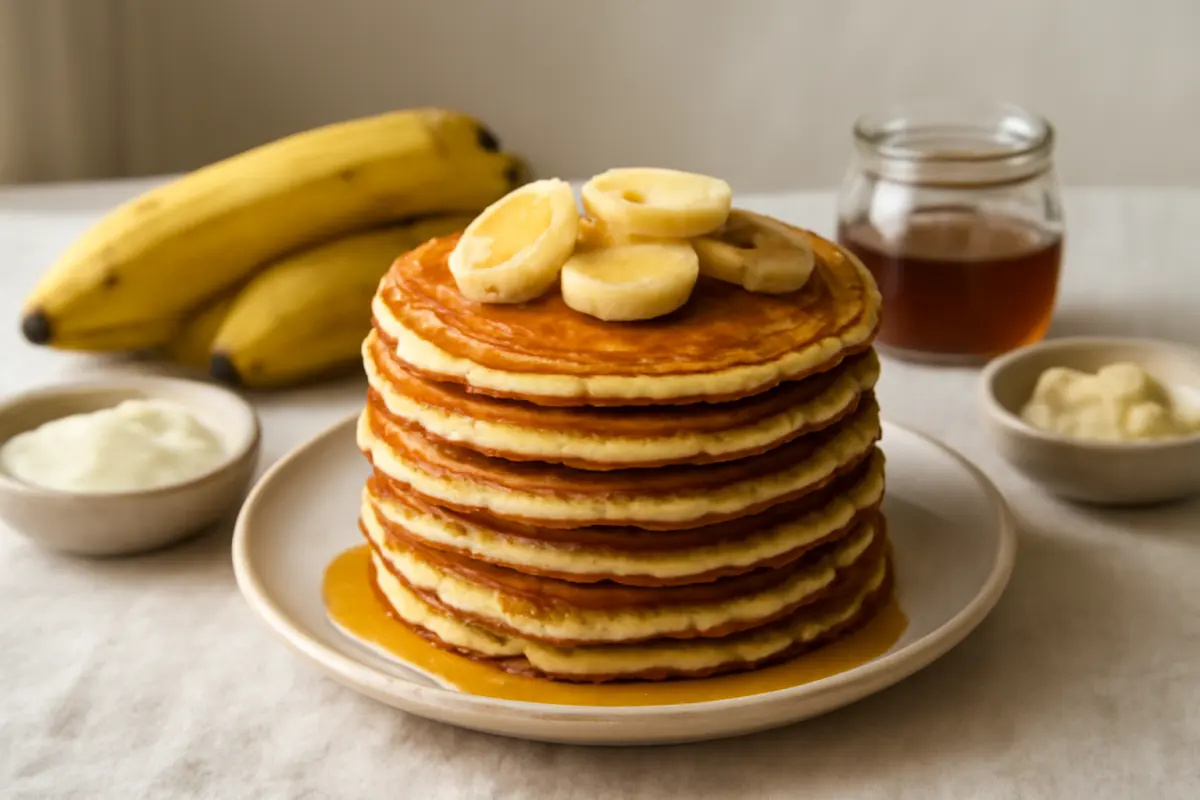
These banana pancakes are tender, lightly sweet, and easy to make in one bowl. Mashed ripe bananas add flavor and moisture, while baking powder keeps the pancakes soft and thick without making them heavy.
Overview
These banana pancakes are soft in the middle, lightly golden at the edges, and naturally sweet from ripe bananas. The batter comes together in one bowl, making this a practical breakfast for using bananas that are heavily speckled or beginning to soften.
The recipe makes about 10 to 12 pancakes using a ¼-cup measure. Cook them over medium-low heat so the centers have time to set before the outsides become too dark.
Ingredients
- 2 medium very ripe bananas, about 225 g peeled, mashed
- 2 large eggs, lightly beaten
- ¾ cup (180 ml) milk
- 1 teaspoon vanilla extract
- 1½ cups (190 g) plain all-purpose flour
- 2 teaspoons baking powder
- ½ teaspoon ground cinnamon, optional
- ¼ teaspoon fine salt
- 2 tablespoons melted unsalted butter, plus more for cooking
How to make it
Mash the bananas. Place the peeled bananas in a large mixing bowl and mash with a fork until mostly smooth. A few small lumps are fine and will add little pockets of banana to the pancakes.
Add the wet ingredients. Whisk in the eggs, milk, vanilla, and melted butter until the mixture is evenly combined. Let the melted butter cool for a few minutes first so it does not begin cooking the eggs.
Mix the dry ingredients. Add the flour, baking powder, cinnamon if using, and salt. Stir with a whisk or spatula just until no large streaks of dry flour remain. Do not beat the batter smooth; a few small lumps are better than overmixing.
Rest the batter briefly. Leave the batter for 5 minutes. It should be thick but pourable, similar to a loose yogurt. If it looks unusually stiff, stir in 1 tablespoon of milk at a time. Very ripe bananas vary in size and moisture, so the batter may need a small adjustment.
Heat the pan. Place a nonstick skillet or well-seasoned griddle over medium-low heat. Add a small amount of butter and spread it across the cooking surface. The pan is ready when a drop of batter sizzles gently without browning immediately. If the butter turns dark within seconds, reduce the heat.
Cook the first side. Scoop ¼ cup of batter into the pan for each pancake, leaving space between them. Cook for 2 to 3 minutes, or until bubbles appear across the surface and the edges look set and slightly dry. The underside should be golden brown when you lift a corner with a spatula.
Flip and finish. Turn each pancake gently and cook for another 1 to 2 minutes. The second side should be golden, and the center should spring back lightly when pressed. If the pancakes brown before the centers set, lower the heat and give the next batch more time.
Continue in batches. Wipe out any dark butter between batches if needed, then add a little fresh butter before cooking more batter. Keep finished pancakes in a single layer on a plate, or place them on a rack in a low oven while you finish the batch.
Serve warm. Serve the pancakes with sliced banana, maple syrup, yogurt, toasted nuts, or a little extra butter. Because the batter is lightly sweet, taste the toppings before adding a large amount of syrup.
Expert tips
- Use ripe bananas: Bananas with brown spots mash easily and provide more flavor. Firm yellow bananas will work, but the pancakes will be less sweet and less moist.
- Measure flour accurately: Spoon flour into a dry measuring cup and level it, or weigh it. Packing extra flour into the cup can make the pancakes dense.
- Avoid overmixing: Stop stirring as soon as the dry ingredients are incorporated. Excess mixing develops gluten and can make the pancakes chewy rather than tender.
- Control the heat: Banana sugars brown quickly. Medium-low heat is more reliable than high heat, especially in a dark skillet.
- For thicker pancakes: Use only ½ cup (120 ml) milk. The batter will be thicker and may need an extra 30 to 60 seconds per side.
- For dairy-free pancakes: Replace the milk with an unsweetened oat, soy, or almond drink and use a neutral oil instead of butter. Soy or oat drink usually gives the closest texture.
- For egg-free pancakes: Mix 2 tablespoons ground flaxseed with 5 tablespoons water and rest for 10 minutes. Use this mixture in place of the eggs; the pancakes will be slightly denser and should be flipped carefully.
- If the batter is too thin: Stir in 1 tablespoon of flour at a time, waiting briefly after each addition. Extra banana or milk can change the consistency significantly.
Serving and storage
Serve banana pancakes hot from the pan for the softest texture. Refrigerate cooled leftovers in an airtight container for up to 3 days. Place parchment between the pancakes if you want to separate them easily.
Reheat refrigerated pancakes in a toaster, dry skillet, or microwave. For longer storage, freeze them in a single layer until firm, then transfer them to a freezer bag or airtight container for up to 2 months. Reheat from frozen in a toaster or microwave until hot throughout.
Frequently asked questions
Why are my banana pancakes gummy in the middle?
The pan was probably too hot, the pancakes were too thick, or they were flipped before the first side had set. Cook smaller pancakes over medium-low heat and wait until bubbles appear across the surface and the edges look dry before flipping.
Can I make banana pancakes without baking powder?
Yes, but they will be flatter and less fluffy. You can omit the baking powder, or use ½ teaspoon baking soda plus 1 teaspoon lemon juice or vinegar for a little lift.
Can I prepare the banana pancake batter ahead of time?
For the best texture, cook the batter soon after mixing. If necessary, cover it and refrigerate it for up to 12 hours, then stir gently before cooking. The pancakes may be slightly less fluffy because the baking powder begins working once it is mixed with liquid.
How do I keep banana pancakes warm without drying them out?
Place the cooked pancakes on a wire rack over a baking sheet in an oven set to about 200°F (95°C). Avoid stacking them tightly, which can trap steam and soften the edges.