Kitchen Guides
Mexican Breakfast Menu Guide: Huevos Rancheros for Four
This practical Mexican breakfast menu brings together crisp tortillas, eggs with set whites and runny yolks, smoky black beans, avocado, and fresh salsa. Prepare the components in a sensible order so everything reaches the table warm.
Overview
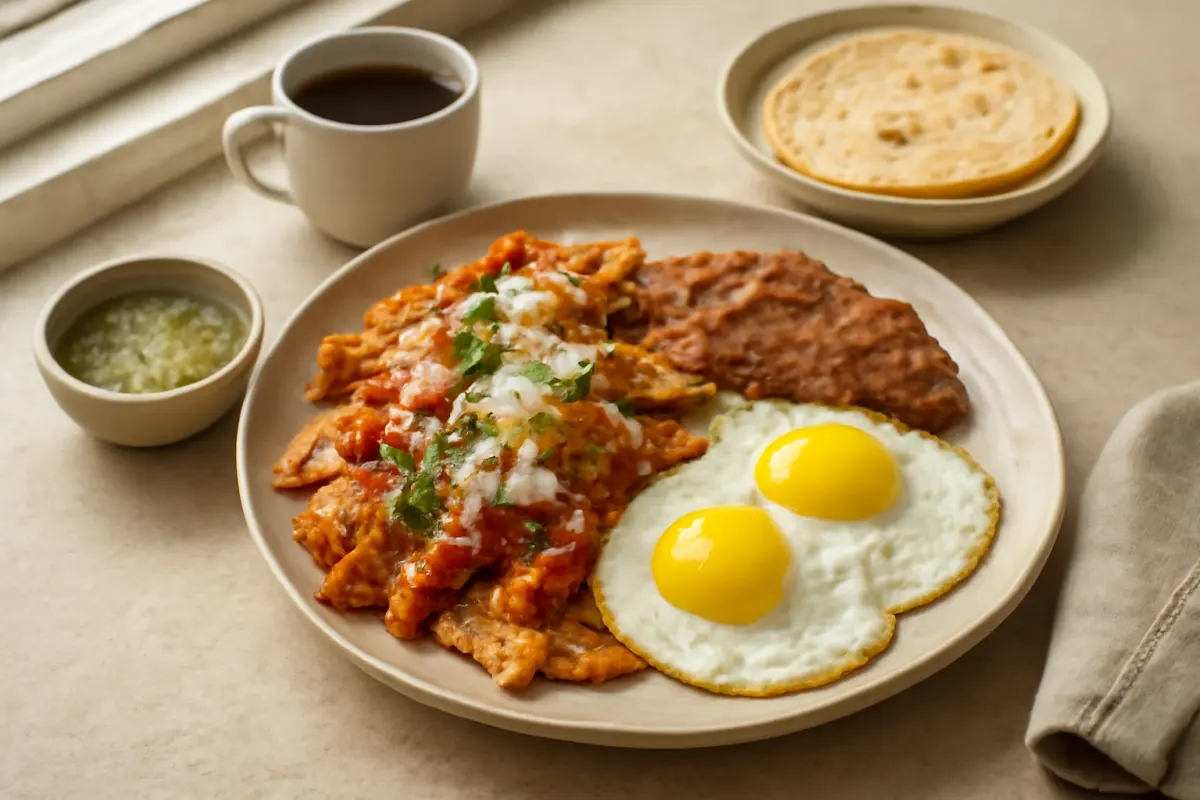
This Mexican breakfast menu serves four and centers on huevos rancheros: fried eggs set over warm tortillas and a bright tomato-chile sauce. Smoky black beans, avocado, lime, cilantro, and warm corn tortillas round it out into a filling breakfast without requiring several complicated dishes.
The menu is easiest when you make the beans and sauce first, then warm the tortillas and fry the eggs just before serving. The recipe uses canned black beans for speed, but cooked pinto beans work just as well.
Ingredients
- 8 small corn tortillas, about 6 inches each
- 8 large eggs
- 2 tablespoons neutral oil, divided
- 1 tablespoon olive oil
- 1 small yellow onion, finely chopped
- 2 garlic cloves, minced
- 1 jalapeño, seeded and finely chopped; leave some seeds for more heat
- 1 can diced tomatoes, 14.5 ounces, with juices
- 1/2 teaspoon ground cumin
- 1/2 teaspoon kosher salt for the sauce, plus more to taste
- 2 cans black beans, 15 ounces each, drained and rinsed
- 1/3 cup water
- 1/2 teaspoon smoked paprika
- 1/4 teaspoon dried oregano
- 2 ripe avocados, sliced
- 1/2 cup crumbled queso fresco or feta
- 1/4 cup chopped fresh cilantro
- 1 lime, cut into wedges
- 1/2 cup finely chopped red onion, for serving
- Hot sauce, optional
How to make it
Make the tomato sauce. Heat the olive oil in a medium saucepan over medium heat. Add the yellow onion and cook for 4 to 5 minutes, stirring occasionally, until translucent and soft. Add the garlic and jalapeño and cook for 30 seconds, until fragrant but not browned.
Add the diced tomatoes, cumin, and 1/2 teaspoon salt. Bring the mixture to a gentle simmer, then cook uncovered for 12 to 15 minutes. Stir every few minutes. The sauce is ready when it has thickened enough to coat a spoon but is still loose enough to spread over the eggs. Taste and add more salt or hot sauce if needed. Keep it covered over low heat.
Season the beans. While the sauce cooks, place the black beans, water, smoked paprika, oregano, and 1/4 teaspoon salt in a skillet over medium-low heat. Cook for 8 to 10 minutes, stirring occasionally, until the beans are hot and the liquid has reduced. Mash about one-quarter of the beans with the back of a spoon to make the mixture creamy while keeping plenty of whole beans for texture. Cover and keep warm.
Warm the tortillas. Heat a dry skillet or griddle over medium-high heat. Warm the tortillas in batches for 20 to 30 seconds per side, until flexible with a few toasted spots. Stack them in a clean kitchen towel or tortilla warmer so they stay soft. If the tortillas seem dry, sprinkle them lightly with water before heating.
Fry the eggs. Heat 1 tablespoon of neutral oil in a large nonstick skillet over medium heat. Crack in four eggs, leaving space between them. Cook for 2 to 3 minutes, spooning a little hot oil over the whites if needed, until the whites are opaque and set at the edges. Cover the skillet for 30 to 60 seconds if the tops remain translucent. The yolks should still jiggle when the pan is gently shaken. Transfer the eggs to a plate, add the remaining tablespoon of oil, and cook the other four eggs.
Assemble each plate. Place two warm tortillas on each plate and spoon about 1/2 cup of tomato sauce over them. Set two fried eggs on top, then add about 1/2 cup of black beans on the side. Finish with avocado slices, queso fresco, cilantro, chopped red onion, and a lime wedge. Serve immediately while the tortillas and eggs are hot.
Expert tips
- Use corn tortillas that smell fresh and flexible. Stale tortillas are more likely to crack; warm them briefly with a little moisture rather than frying them until brittle.
- For a smoother sauce, blend the cooked tomato mixture with an immersion blender. For a chunkier, more rustic sauce, crush some of the tomatoes with a wooden spoon and leave the rest intact.
- If the sauce tastes sharp, simmer it for 3 to 5 minutes longer. If it becomes too thick, stir in 1 tablespoon of water at a time.
- Fry the eggs in batches rather than crowding the skillet. Crowding lowers the pan temperature and can leave the whites watery.
- If you prefer firm yolks, cover the eggs for 1 to 2 minutes, or cook until the yolks no longer wobble when the pan is shaken.
- Pinto beans can replace black beans in equal amounts. Cotija, feta, or shredded Monterey Jack can replace queso fresco.
Serving and storage
Serve the assembled eggs immediately; the tortillas soften as they sit under the sauce. Keep extra sauce and beans separate so leftovers can be reheated without making the tortillas soggy.
Cool the sauce and beans promptly and refrigerate them in covered containers for up to 3 days. Reheat the sauce and beans in a saucepan or microwave until steaming hot, adding a splash of water if needed. Cook fresh eggs and warm fresh tortillas when serving leftovers. Store cut avocado separately and use it within a day for the best color and texture.
Frequently asked questions
What is usually included in a Mexican breakfast menu?
A practical Mexican breakfast menu often combines eggs, tortillas, beans, salsa, and fresh toppings. For this version, huevos rancheros are served with seasoned black beans, avocado, queso fresco, cilantro, lime, and warm corn tortillas.
Can I prepare this Mexican breakfast menu ahead of time?
Yes. Make the tomato sauce and beans up to 3 days ahead and refrigerate them separately. Reheat both before serving, then warm the tortillas and fry the eggs just before eating.
How do I keep the tortillas from becoming soggy?
Warm the tortillas shortly before serving and spoon the sauce over them only when the plates are ready. Keeping extra sauce on the side also lets each person add as much as they like.
What can I use instead of black beans?
Use an equal amount of drained pinto beans, or use about 3 cups of freshly cooked beans. Adjust the added salt because canned and homemade beans can vary in seasoning.