Recipes
Cabbage Stir-Fry Recipe
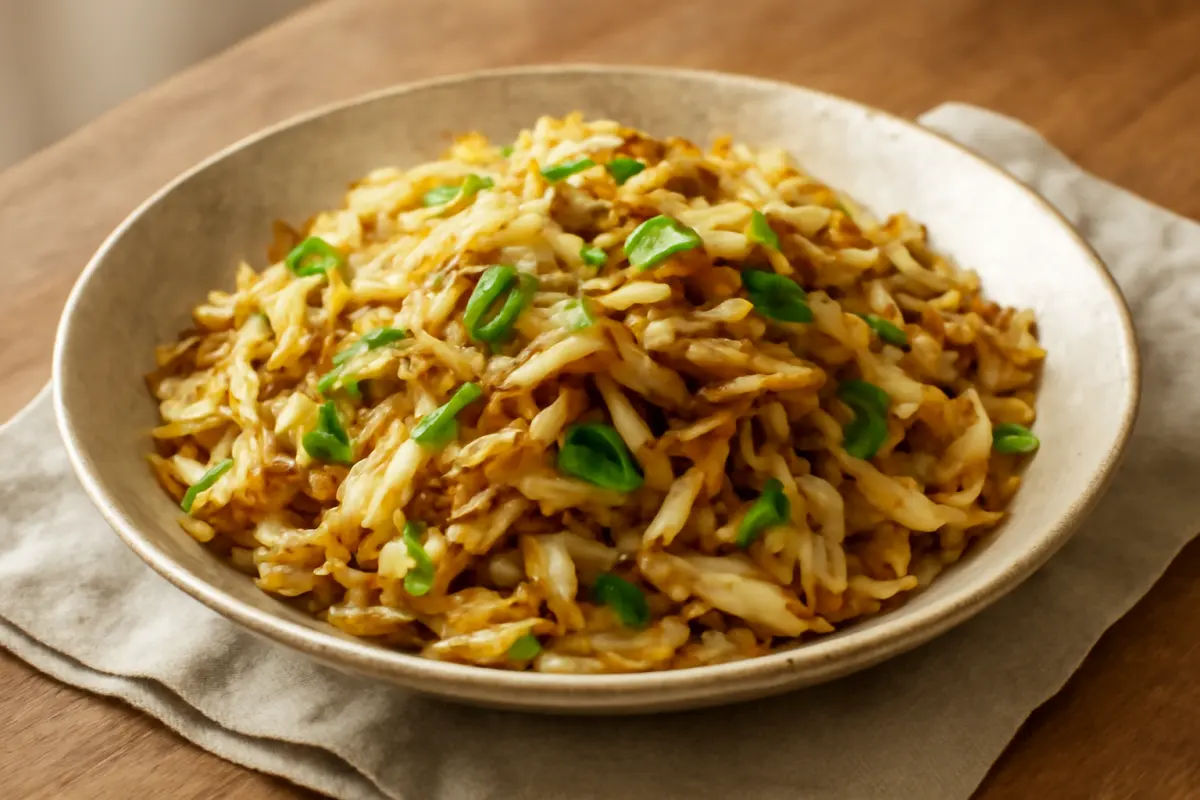
This cabbage stir-fry is a fast, flexible vegetable dish with crisp-tender cabbage, sweet carrots, bell pepper, and a savory garlic-ginger sauce. It works as a light main dish over rice or as a side for nearly any dinner.
Overview
This cabbage stir-fry comes together in one large skillet or wok, with enough heat to brown the vegetables while keeping the cabbage pleasantly crisp. Garlic, fresh ginger, soy sauce, rice vinegar, and toasted sesame oil give the dish a savory, lightly tangy finish without making the vegetables heavy.
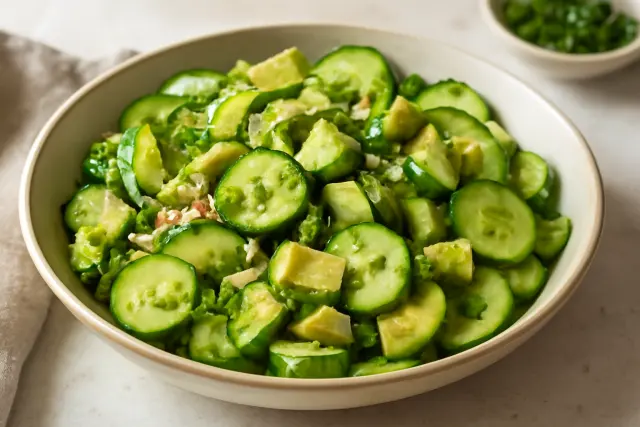
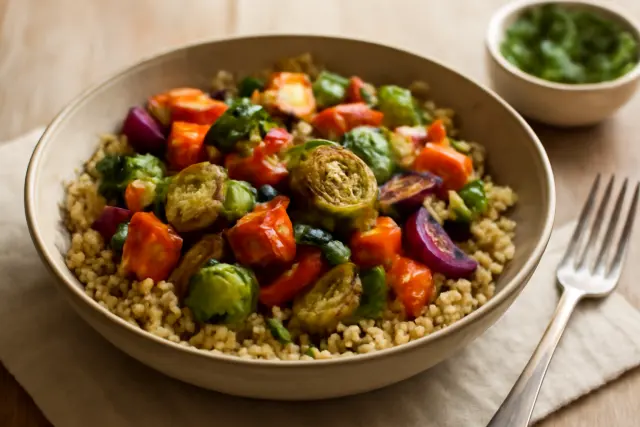
Serve it over steamed rice, noodles, or quinoa, or add cooked chicken, shrimp, tofu, or edamame to make it more substantial. For another vegetable-forward meal, pair the stir-fry with the fresh flavors in this cucumber avocado salad or use it as a topping alongside a roasted vegetable quinoa bowl.
Ingredients
- 2 tablespoons neutral cooking oil, such as canola, avocado, or grapeseed oil, divided
- 1 small yellow onion, thinly sliced
- 2 medium carrots, peeled and cut into matchsticks
- 1 red bell pepper, thinly sliced
- 3 garlic cloves, finely chopped
- 1 tablespoon fresh ginger, finely grated
- 1 small green cabbage, about 2 pounds, cored and thinly sliced
- 3 tablespoons low-sodium soy sauce
- 1 tablespoon unseasoned rice vinegar
- 1 teaspoon honey or maple syrup
- 1 teaspoon toasted sesame oil
- 1/4 teaspoon freshly ground black pepper
- 2 scallions, thinly sliced
- 1 teaspoon toasted sesame seeds, for serving
- Cooked rice or noodles, optional, for serving
How to make it
Prepare the vegetables and sauce. Slice everything before heating the pan because the cooking moves quickly. In a small bowl, stir together the soy sauce, rice vinegar, honey or maple syrup, toasted sesame oil, and black pepper.
Heat the pan. Set a large wok or 12-inch skillet over medium-high heat. Add 1 tablespoon of the neutral oil. When the oil looks fluid and shimmers, add the onion, carrots, and bell pepper. Stir-fry for 3 to 4 minutes, tossing or stirring often, until the onion begins to turn translucent and the carrots are slightly flexible but still firm.
Add the aromatics. Push the vegetables toward the sides of the pan. Add the remaining 1 tablespoon oil to the center, then add the garlic and ginger. Cook for 30 to 45 seconds, stirring constantly, until fragrant. Do not let the garlic become dark brown; it can turn bitter.
Cook the cabbage. Add the sliced cabbage in two or three handfuls, stirring after each addition so it has room to wilt. Continue stir-frying for 5 to 7 minutes. The cabbage is ready when the thicker pieces are tender enough to bite through but still have a little resistance, and the thinner ribbons show a few lightly browned edges. If your pan is crowded, cook for an extra minute or two rather than adding water, which can make the vegetables soggy.
Add the sauce. Pour the sauce around the hot sides of the pan, then toss everything together. Cook for 1 to 2 minutes, just until the sauce lightly coats the vegetables and the excess liquid has mostly evaporated. Taste carefully and add a small splash of soy sauce if it needs more salt, or another splash of rice vinegar if it tastes flat.
Finish and serve. Remove the pan from the heat. Scatter over the scallions and sesame seeds, then serve immediately with rice or noodles. The cabbage will continue to soften slightly from the residual heat, so take it off the stove while it still has a little crunch.
Expert tips
- Use a wide pan. A crowded pan traps steam instead of creating browned edges. If your skillet is smaller than 12 inches, stir-fry the cabbage in two batches and return it to the pan before adding the sauce.
- Cut the cabbage evenly. Thin, even ribbons cook at the same rate. Very thick pieces may remain raw while the smaller pieces become soft.
- For a gluten-free version, use gluten-free tamari or certified gluten-free soy sauce. Coconut aminos can also work, but they are sweeter and less salty, so adjust the honey and seasoning to taste.
- For a vegan version, use maple syrup instead of honey. To add protein, stir in 8 ounces of cubed extra-firm tofu that has been patted dry and browned separately, or add 1 1/2 cups cooked edamame near the end.
- Add heat if you like. Stir 1/2 teaspoon red pepper flakes into the sauce, or add 1 teaspoon chili crisp at the table.
- If the vegetables are browning too quickly, lower the heat slightly and keep them moving. If they are releasing lots of liquid, raise the heat and leave them undisturbed for 20 to 30 seconds at a time so moisture can evaporate.
- If the finished stir-fry tastes too salty, toss in a little more unsauced cabbage or a handful of cooked rice. Do not add a large amount of water, which will dilute the flavor and soften the vegetables.
Serving and storage
Serve the stir-fry hot over steamed white or brown rice, rice noodles, or cooked quinoa. It also works as a side dish with grilled chicken, fish, tofu, or eggs.
Refrigerate leftovers in a shallow, airtight container within 2 hours of cooking. They keep for up to 4 days. Reheat in a hot skillet for 3 to 5 minutes, stirring occasionally, or microwave until steaming hot throughout. The cabbage will be softer after storage, but a squeeze of lime or a few fresh scallions can brighten it before serving. Avoid freezing if you want the vegetables to retain their stir-fried texture.
Frequently asked questions
Can I make cabbage stir-fry without a wok?
Yes. Use the largest skillet you have, preferably one that is at least 12 inches wide. Cook in batches if the cabbage is piled more than two layers deep, because an overcrowded pan will steam the vegetables instead of browning them.
Why is my cabbage stir-fry watery?
The pan may have been too crowded, the heat may have been too low, or the cabbage may have been wet when it went into the pan. Use a wide hot pan, dry the sliced cabbage if needed, and cook until the visible liquid has evaporated before adding the sauce.
What protein can I add to cabbage stir-fry?
Add cooked chicken, shrimp, thinly sliced beef, browned tofu, or edamame. Cook raw meat or seafood separately until done, then return it to the pan with the sauce so the cabbage does not overcook while the protein finishes.
Can I use red cabbage instead of green cabbage?
Yes. Red cabbage works in the same quantity and may need an extra minute or two to become tender. The finished stir-fry will have a deeper color and a slightly firmer texture.
How do I keep cabbage crisp-tender?
Use medium-high heat, slice the cabbage into even ribbons, and remove it from the pan as soon as the thicker pieces are just tender. It will continue cooking briefly after the heat is turned off.