Recipes
Classic Minestrone Soup Recipe
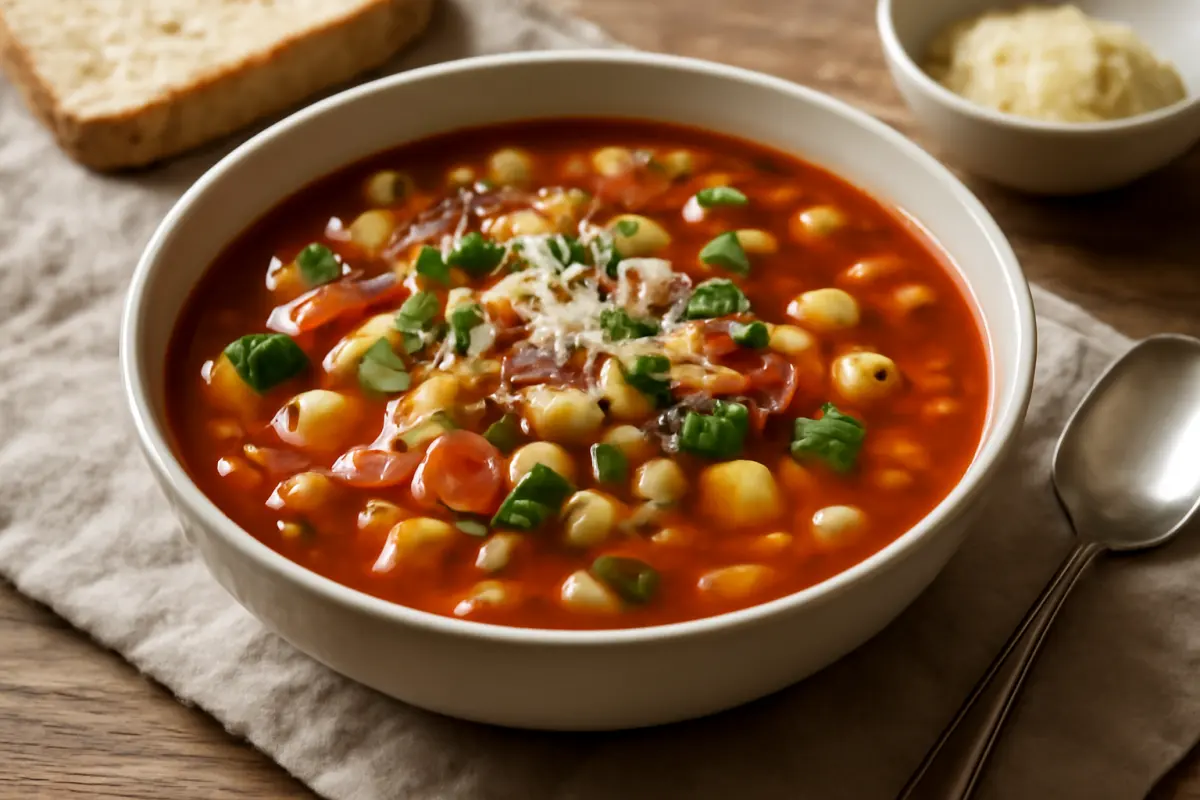
This classic minestrone soup is a hearty Italian-style bowl of vegetables, beans, tomatoes, and small pasta simmered in a savory broth. Add the pasta near the end so it stays pleasantly tender instead of mushy.
Overview
This classic minestrone soup is a hearty, flexible vegetable soup made with onion, carrot, celery, zucchini, green beans, tomatoes, white beans, and small pasta. A Parmesan rind adds savory depth as the soup simmers, but the recipe is still satisfying without it.
The vegetables are added in stages so each one keeps a pleasant texture. The pasta goes in near the end and cooks directly in the broth, making this a practical one-pot meal for six generous bowls.
Ingredients
- 2 tablespoons extra-virgin olive oil
- 1 medium yellow onion, diced
- 2 medium carrots, peeled and diced into ½-inch pieces
- 2 celery ribs, diced
- 3 garlic cloves, finely chopped
- 1 teaspoon Italian seasoning
- 1 teaspoon kosher salt, plus more to taste
- ½ teaspoon freshly ground black pepper
- 1 can (28 ounces) crushed tomatoes
- 6 cups low-sodium vegetable broth
- 1 Parmesan rind, optional
- 1 medium zucchini, diced into ½-inch pieces
- 1 cup trimmed green beans, cut into 1-inch pieces
- 1 can (15 ounces) cannellini beans, drained and rinsed
- 1 cup small dry pasta, such as ditalini, small shells, or elbow macaroni
- 2 cups chopped baby spinach or kale, optional
- 1 tablespoon fresh lemon juice, optional
- Grated Parmesan and chopped fresh parsley, for serving
How to make it
Build the vegetable base. Heat the olive oil in a large Dutch oven or soup pot over medium heat. Add the onion, carrots, celery, salt, and pepper. Cook for 7 to 9 minutes, stirring occasionally, until the onion is soft and translucent and the carrots have started to become tender. The vegetables should smell sweet and savory, not browned.
Add the garlic and herbs. Stir in the garlic and Italian seasoning. Cook for 30 to 60 seconds, just until the garlic is fragrant. Do not let it turn dark, or it may taste bitter.
Simmer the tomatoes and broth. Add the crushed tomatoes, vegetable broth, and Parmesan rind, if using. Stir well and bring the soup to a gentle boil. Reduce the heat to maintain a steady simmer, then cook uncovered for 12 minutes. The carrots should be nearly tender when pierced with a fork, but not falling apart.
Add the later-cooking vegetables and beans. Stir in the zucchini, green beans, and cannellini beans. Simmer for 5 minutes. The broth should be bubbling gently, not boiling aggressively.
Cook the pasta in the soup. Add the pasta and stir so it does not settle on the bottom. Cook according to the package directions, usually 8 to 10 minutes, stirring once or twice. Stop when the pasta is just tender with a slight firmness at the center; it will continue softening in the hot soup.
Finish the soup. Remove the Parmesan rind. Stir in the spinach or kale, if using, and cook for 1 to 2 minutes, until the greens are wilted and bright. Taste and adjust the salt and pepper. Add the lemon juice if the soup tastes flat or overly heavy; it should brighten the broth without making it noticeably sour.
Serve. Ladle the soup into bowls and top with grated Parmesan and parsley. Serve immediately with crusty bread or a simple green salad.
Expert tips
- Keep the pasta from going soft: If you expect leftovers, cook the pasta separately and add it to each bowl. Pasta left in the broth will continue absorbing liquid as it sits.
- Use what you have: Replace cannellini beans with great northern beans, borlotti beans, or chickpeas. Frozen green beans can be added straight to the pot; allow an extra 1 to 2 minutes for them to heat through.
- Adjust the broth: If the soup becomes thicker than you like, add ½ to 1 cup of extra broth or water. If it tastes thin, simmer it uncovered for a few additional minutes before adding the pasta.
- Make it vegetarian: Use vegetable broth and omit the Parmesan rind. For a dairy-free finish, skip the Parmesan or use a dairy-free grated topping.
- Avoid mushy vegetables: Keep the simmer gentle and add zucchini, green beans, and pasta only after the firmer vegetables have had time to cook.
- For a different soup night: If you enjoy vegetable-forward soups, compare the creamy texture of this recipe with creamy potato leek soup or the cheesy finish of broccoli cheddar soup.
Serving and storage
Serve the soup hot, with Parmesan, parsley, and crusty bread if desired. A drizzle of olive oil just before serving adds a smooth finish.
Let leftovers cool in shallow containers and refrigerate them within 2 hours. Store the soup in a covered container for up to 4 days. Reheat gently on the stovetop or in the microwave until steaming hot, adding a splash of broth or water if the pasta has thickened the soup.
For freezing, leave out the pasta or freeze it separately when possible. Freeze the cooled soup in airtight containers for up to 3 months, leaving room for expansion. Thaw in the refrigerator, reheat gently, and add freshly cooked pasta before serving.
Frequently asked questions
Can I make minestrone soup without pasta?
Yes. Leave out the pasta and add an extra ½ cup of beans or another cup of diced vegetables. Simmer until the vegetables are tender, then adjust the broth to your preferred consistency.
What pasta is best for minestrone soup?
Small shapes such as ditalini, small shells, elbows, or small macaroni work well because they fit easily on a spoon and cook quickly. Avoid very delicate pasta, which can become soft in the broth.
Can I use canned tomatoes instead of crushed tomatoes?
Yes. Use one 28-ounce can of whole peeled or diced tomatoes. Crush whole tomatoes with a spoon in the pot, or blend them briefly before adding them if you prefer a smoother broth.
Why did my minestrone soup become too thick?
The pasta and beans continue absorbing broth as the soup stands. Stir in hot vegetable broth or water a little at a time until it reaches the consistency you want.
Can I make this soup ahead of time?
Yes, but for the best pasta texture, prepare the vegetable-and-bean soup ahead and cook the pasta separately. Add the pasta to individual portions just before serving.