Recipes
Cuban Palomilla Steak Recipe
Cuban palomilla steak is thin, garlic-lime-marinated beef cooked quickly in a hot skillet and finished with soft onions. The recipe is ready in about 45 minutes, including marinating time.
Overview
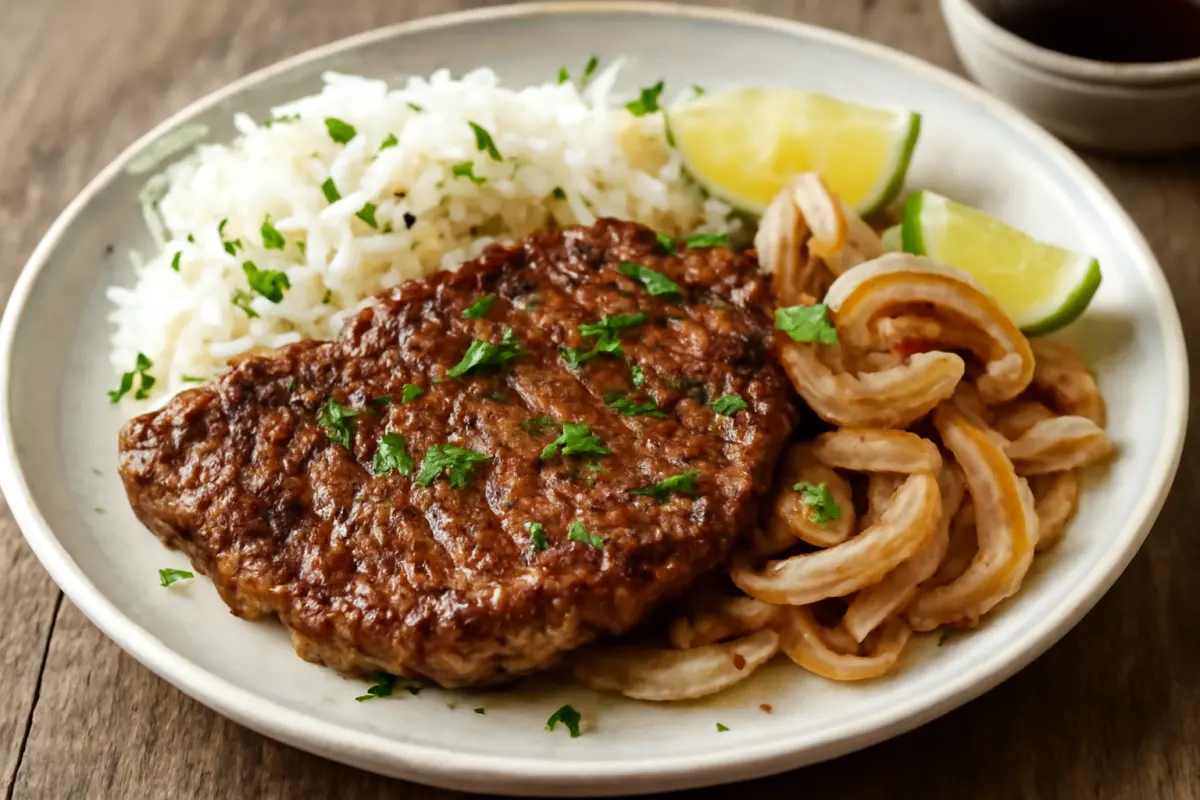
Cuban palomilla steak is a thin-cut beef steak seasoned with garlic, lime juice, olive oil, cumin, oregano, salt, and black pepper. It cooks in minutes, so the key is to use very thin steaks and a properly heated skillet.
The finished steak should have browned edges, a fragrant garlic-lime flavor, and a tender center. Serve it with the pan-cooked onions, white rice, black beans, fried plantains, or a simple salad.
Ingredients
- 4 thin-cut beef steaks, about 5 to 6 ounces (140 to 170 g) each, preferably top round or sirloin, cut about 1/8 inch (3 mm) thick
- 1/4 cup fresh lime juice, from about 2 large limes
- 2 tablespoons olive oil, divided
- 4 garlic cloves, finely grated or minced
- 1 teaspoon ground cumin
- 1/2 teaspoon dried oregano
- 1 teaspoon kosher salt, plus more for the onions if needed
- 1/2 teaspoon freshly ground black pepper
- 1 large yellow onion, thinly sliced
- 2 tablespoons chopped fresh parsley, optional
- Lime wedges, for serving
How to make it
Prepare the steaks. If the steaks are thicker than 1/8 inch, place each one between two sheets of plastic wrap or parchment. Pound gently with the flat side of a meat mallet until evenly thin. Do not tear the meat; even thickness matters more than force.
Make the marinade. In a shallow dish, stir together the lime juice, 1 tablespoon of the olive oil, garlic, cumin, oregano, salt, and black pepper. Add the steaks and turn them to coat. Cover and refrigerate for 20 to 30 minutes. Avoid marinating much longer, since the lime juice can make the surface of thin beef soft and slightly chalky.
Dry the steaks lightly. Remove the steaks from the marinade and let excess liquid drip back into the dish. Pat both sides lightly with paper towels. They should still look seasoned, but not wet; excess marinade will steam the meat instead of helping it brown.
Cook the onions. Heat a large cast-iron or stainless-steel skillet over medium heat. Add the remaining 1 tablespoon olive oil and the sliced onion. Cook for 5 to 7 minutes, stirring occasionally, until the onion is soft with lightly browned edges. Transfer it to a plate and season with a small pinch of salt.
Heat the skillet fully. Return the empty skillet to medium-high heat for about 2 minutes. It is ready when a drop of water evaporates immediately and the surface looks hot but is not smoking heavily. Cook the steaks in batches if necessary; crowding the pan causes them to release liquid and turn gray.
Sear the steaks. Add one or two steaks, depending on the size of your pan. Cook for 60 to 90 seconds on the first side, without moving them, until the underside has browned spots and the edges are no longer raw. Flip and cook for another 45 to 75 seconds. Thin palomilla steaks cook quickly, so begin checking early.
Check doneness and rest. For medium-rare, the center should feel gently springy and register about 130 to 135°F (54 to 57°C) on an instant-read thermometer. For medium, cook to 140 to 145°F (60 to 63°C). Transfer the steaks to a plate and rest for 3 minutes. Repeat with the remaining steaks, allowing the pan to heat again between batches if needed.
Finish and serve. Return the onions to the skillet for 30 seconds to warm them and loosen any browned bits. Spoon the onions over the steaks, scatter with parsley if using, and serve with lime wedges.
Expert tips
- Best cut: Thin top round is traditional and affordable, while thin sirloin is generally more tender. If your butcher does not have palomilla-cut steaks, ask for top round sliced very thinly across the grain.
- No meat mallet: Place the steak in a sturdy zip-top bag and use the bottom of a small skillet to flatten it gently and evenly.
- No fresh lime: Substitute 2 tablespoons fresh lemon juice, though the flavor will be less distinctly Cuban. Bottled lime juice works in a pinch but tastes sharper.
- Garlic burning: Pat the steaks dry before searing. If loose garlic pieces are collecting in the pan and darkening quickly, wipe them out between batches; burnt garlic will taste bitter.
- Tough steak: Check that the meat was sliced across the grain and not overcooked. Because the steaks are so thin, an extra minute can make a noticeable difference.
- Pale steak: The pan was probably not hot enough, the steaks were too wet, or the pan was crowded. Dry the meat and sear in smaller batches.
Serving and storage
Serve palomilla steak immediately with the onions and lime wedges. Rice, black beans, fried plantains, or roasted vegetables make practical sides.
Refrigerate leftover steak and onions in a covered container within 2 hours of cooking. Use within 3 to 4 days. Reheat gently in a covered skillet with a tablespoon of water, or slice the cold steak for sandwiches and salads. For longer storage, freeze cooled portions in an airtight container for up to 2 months and thaw them in the refrigerator before reheating.
Frequently asked questions
What cut of beef is used for Cuban palomilla steak?
Palomilla is usually made with very thinly sliced top round, although thin sirloin also works. The steak should be about 1/8 inch thick so it cooks quickly and stays reasonably tender.
How long should palomilla steak marinate?
Marinate it for 20 to 30 minutes in the garlic-lime mixture. Longer exposure to lime juice can soften the surface of thin steaks and give them an unpleasant texture.
Can I cook palomilla steak on a grill?
Yes. Heat the grill thoroughly and cook the thin steaks for about 1 to 2 minutes per side, watching closely. Pat them dry first so they sear instead of steaming.
Why did my palomilla steak turn tough?
The most common causes are steaks that were not sliced across the grain, meat that was too thick, or overcooking. Pound thicker pieces evenly and use a short, hot sear.
Can I make palomilla steak without lime juice?
You can use fresh lemon juice in the same quantity, or omit the citrus and add a small splash after cooking. The flavor will change, but the steak will still work with the garlic, cumin, oregano, and onions.