Recipes
Egg White Recipes Omelettes: Fluffy, Flexible Ideas for Breakfast
This practical egg white omelette guide includes a reliable base recipe, three filling combinations, clear cooking cues, and fixes for dry, watery, or sticking omelettes.
Overview
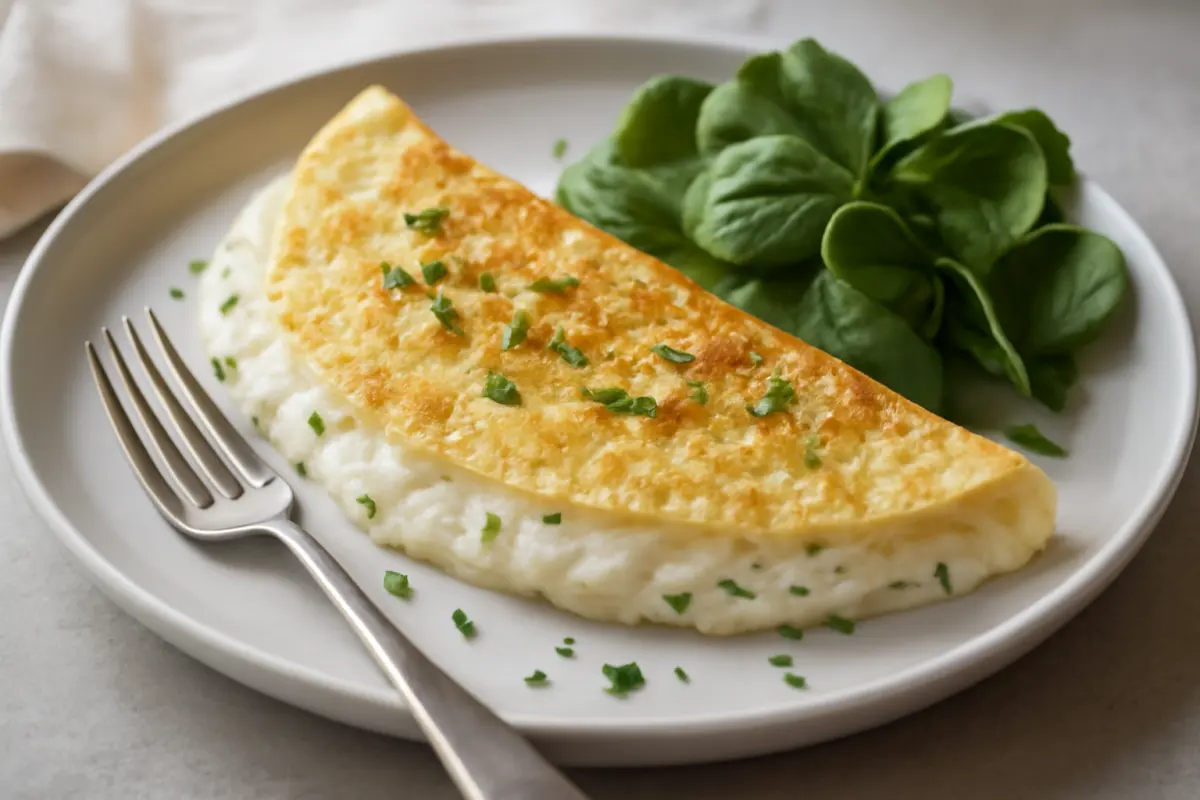
An egg white omelette can be light and tender rather than rubbery when the whites are cooked over moderate heat and removed from the pan while they still look slightly moist on top. This recipe makes one filling omelette from either separated large eggs or carton egg whites.
Use the base method as a starting point, then choose one of the filling combinations below. Keep wet ingredients, such as tomatoes or mushrooms, cooked and drained before they go into the omelette so the finished eggs do not become watery.
Ingredients
- 150 g egg whites, about 5 large egg whites or roughly ⅔ cup carton egg whites
- 1 tablespoon water or milk
- ⅛ teaspoon fine salt
- ⅛ teaspoon freshly ground black pepper
- 1 teaspoon olive oil or unsalted butter, for the pan
- 2 tablespoons shredded cheddar, mozzarella, or crumbled feta, optional
- 2 tablespoons finely chopped fresh herbs, optional
Choose one filling:
- Spinach and feta: ½ cup chopped spinach, cooked until wilted and squeezed dry, plus 30 g crumbled feta
- Mushroom and cheese: ½ cup thinly sliced mushrooms, sautéed until their liquid has evaporated, plus 30 g shredded cheese
- Tomato and herb: ¼ cup seeded, diced tomato, patted dry, plus 1 tablespoon chopped basil or parsley
How to make it
Prepare the egg whites. Add the egg whites, water or milk, salt, and pepper to a bowl. Whisk for 20 to 30 seconds, until the mixture is evenly blended and a little foamy. Do not whip it into a stiff foam; large bubbles can make the omelette cook unevenly.
Prepare the filling first. If using mushrooms, cook them in a dry or lightly oiled skillet over medium heat for 4 to 6 minutes, stirring occasionally, until browned and no liquid remains. If using spinach, cook it just until wilted, then squeeze out excess moisture. Set the filling aside.
Heat the pan. Place a 20 cm nonstick skillet over medium-low heat for about 1 minute. Add the oil or butter. It should coat the base and shimmer gently, but it should not smoke. A nonstick pan is the most reliable choice because egg whites contain little fat and can stick quickly.
Add and set the whites. Pour in the egg white mixture. Leave it undisturbed for 15 to 20 seconds, then use a silicone spatula to draw the cooked edges toward the center. Tilt the pan so the uncooked egg runs into the open spaces. Repeat every few seconds until the base is set but the surface is still glossy and slightly loose, about 2 to 3 minutes.
Add the filling. Scatter the prepared filling and cheese over one half of the omelette. Keep the filling in a thin layer so the omelette folds without tearing. For a tomato filling, add the tomatoes at this stage rather than cooking them in the pan.
Fold and finish. Slide the spatula around the edges to loosen them. Fold the uncovered half over the filling, then cook for 30 to 60 seconds more. The omelette is ready when it holds its shape, the cheese is beginning to soften, and the center is set but still moist. If you prefer fully set egg whites, cover the pan for 30 seconds before folding.
Serve immediately. Slide the omelette onto a plate and finish with the herbs. The surface should be pale and tender, with no runny liquid pooling on the plate. Avoid pressing it flat, which pushes out moisture and makes it dense.
Expert tips
- For a fluffier texture: Add 1 tablespoon water for a lighter, softer omelette. Milk gives a slightly richer texture but can brown sooner in a hot pan.
- For carton egg whites: Shake the container before measuring. Carton whites can vary in thickness, so cook by appearance rather than relying only on the clock.
- For more flavor: Add garlic powder, smoked paprika, or a pinch of dried Italian seasoning to the whites. Use about ⅛ teaspoon of any one seasoning for this quantity.
- If the omelette sticks: The pan may be too cool, too hot, or insufficiently greased. Warm the pan first, use a thin film of oil, and loosen the edges as soon as they set.
- If it turns rubbery: Lower the heat and stop cooking as soon as the center is just set. Egg whites become firm quickly after they lose their glossy appearance.
- If it tears: The filling is probably too wet or too generous. Drain cooked vegetables thoroughly and use no more than ½ cup filling for one omelette.
- Easy substitutions: Replace feta with goat cheese, cheddar, or grated Parmesan. Use cooked peppers, asparagus, zucchini, leftover roasted vegetables, or chopped turkey instead of the suggested fillings. Cut raw vegetables into small pieces and cook them first.
- For a dairy-free omelette: Use olive oil and skip the cheese, or add 2 tablespoons of mashed avocado after cooking rather than heating it in the pan.
Serving and storage
Serve the omelette as soon as it is folded, with toast, roasted potatoes, fruit, or a simple green salad. Because the texture is best fresh, make only the amount you plan to eat.
If you need to save leftovers, cool the omelette promptly, place it in a covered container, and refrigerate it within 2 hours. Eat it within 3 to 4 days and reheat gently in the microwave or in a covered skillet until hot throughout. Do not leave cooked egg whites at room temperature for extended periods.
Frequently asked questions
How many egg whites do I need for one omelette?
Use 150 g egg whites, which is about 5 large egg whites or roughly ⅔ cup of carton egg whites. This amount fits comfortably in a 20 cm skillet and makes one substantial omelette.
Why is my egg white omelette watery?
The filling may contain excess moisture, or the whites may be undercooked. Squeeze cooked spinach dry, cook mushrooms until their liquid evaporates, seed fresh tomatoes, and continue cooking until the surface is glossy but no longer visibly liquid.
How do I stop an egg white omelette from sticking?
Use a good nonstick skillet, preheat it over medium-low heat, and coat the base with 1 teaspoon of oil or butter. Avoid high heat, which can make the base stick before the top sets.
Can I make an egg white omelette without milk?
Yes. Use 1 tablespoon water instead of milk, or whisk the whites without either. Water produces a light texture, while milk adds a slightly richer finish.
Can I prepare an egg white omelette ahead of time?
It is best cooked and served immediately, but leftovers can be refrigerated in a covered container for 3 to 4 days. Reheat gently until hot throughout; the texture will be firmer than when freshly made.