Recipes
Homemade Flour Tortillas Recipe
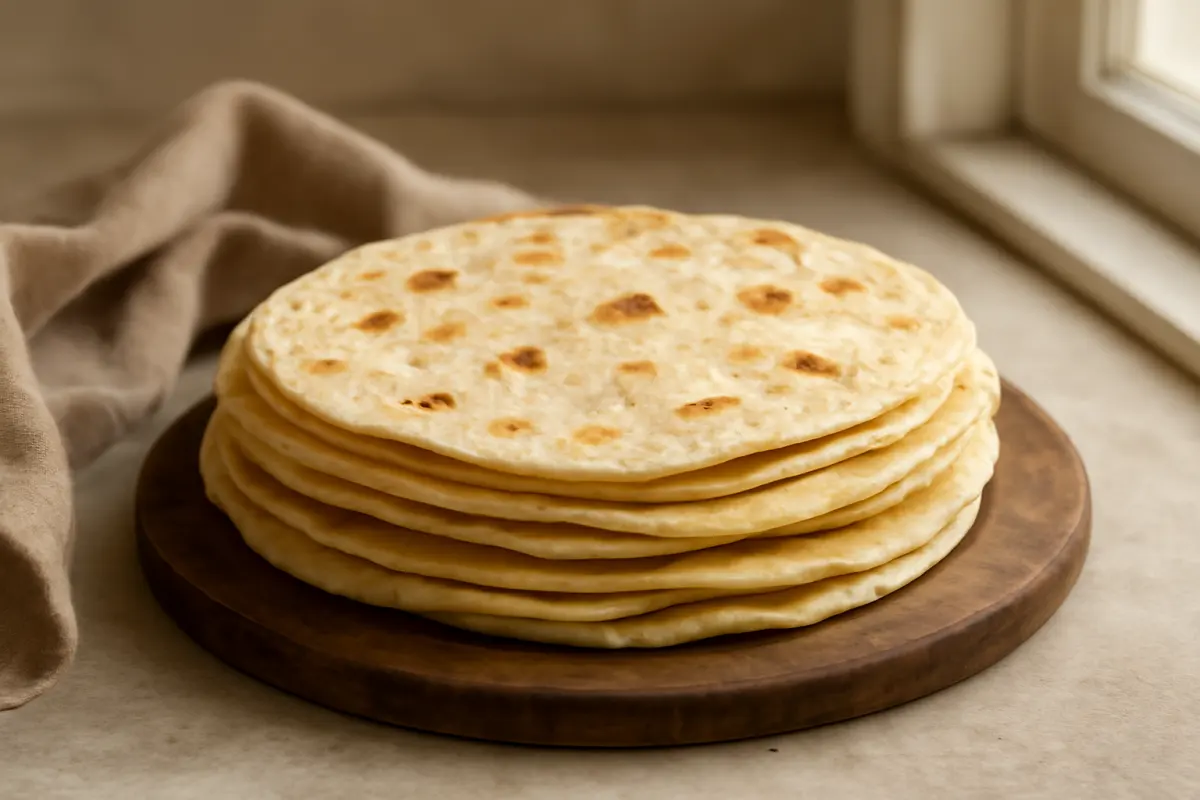
These homemade flour tortillas are soft, flexible, and simple to make with everyday ingredients. Resting the dough and cooking each tortilla briefly in a hot skillet helps create tender tortillas with lightly browned spots.
Overview
This homemade flour tortillas recipe makes 10 soft, flexible tortillas about 8 inches across. The dough comes together with flour, salt, baking powder, fat, and warm water, then rests before rolling so it is easier to shape.
Cook the tortillas in a dry, hot skillet until small brown spots appear and the surface develops a few bubbles. Keep the finished tortillas covered as you work so they stay warm and pliable for tacos, wraps, quesadillas, or dipping.
Ingredients
- 3 cups (375 g) all-purpose flour, plus more for rolling
- 1 teaspoon fine salt
- 1 teaspoon baking powder
- 5 tablespoons (70 g) vegetable shortening, softened, or 4 tablespoons (60 ml) neutral oil
- 1 cup (240 ml) warm water, approximately 105–115°F (40–46°C)
How to make it
Mix the dry ingredients. Add the flour, salt, and baking powder to a large bowl. Whisk until evenly combined.
Work in the fat. Add the shortening and rub it into the flour with your fingertips until the mixture looks evenly crumbly, with no large lumps of fat. If using oil, pour it in and stir until the flour is lightly coated.
Add the water gradually. Pour in about three-quarters of the warm water and stir with a fork or wooden spoon. Add the remaining water a tablespoon at a time until a shaggy dough forms. You may not need every drop; the dough should hold together without looking wet or soupy.
Knead briefly. Transfer the dough to a lightly floured work surface and knead for 3–5 minutes. Press, fold, and turn the dough until it becomes smooth and supple. If it sticks heavily to the surface, knead in flour 1 teaspoon at a time. If it feels dry or cracks as you knead, wet your hands and continue kneading rather than adding a large splash of water.
Rest the dough. Shape the dough into a ball and place it in a bowl. Cover it with a lid, plate, or damp kitchen towel and let it rest for 30 minutes at room temperature. The dough should feel softer and less springy afterward.
Divide and shape. Divide the dough into 10 equal pieces, about 62–64 g each. Roll each piece into a smooth ball by cupping your hand over it and moving it in small circles. Keep the dough balls covered so their surfaces do not dry out.
Preheat the skillet. Heat a dry cast-iron skillet, griddle, or heavy stainless-steel pan over medium-high heat for about 5 minutes. It is ready when a tiny sprinkle of flour browns in a few seconds without immediately burning. Do not add oil.
Roll one tortilla. Lightly flour the work surface and one dough ball. Roll from the center outward, turning the dough a quarter turn after every few passes. Continue until the tortilla is about 8 inches wide and thin enough to see the work surface faintly through it. Aim for an even thickness; thick edges will cook unevenly.
Cook the tortilla. Lay the tortilla in the hot skillet. Cook for 20–30 seconds, until small bubbles form and the underside has a few pale brown spots. Flip it and cook for another 20–30 seconds. Flip once more if needed, pressing very lightly with a spatula to encourage larger bubbles. The tortilla is done when it has scattered brown spots and no raw, glossy patches.
Keep it soft. Transfer the cooked tortilla immediately to a clean kitchen towel or tortilla warmer and cover it. Continue rolling and cooking the remaining dough, stacking each tortilla under the cover. Adjust the heat if the tortillas burn before they bubble or remain pale and dry after a full minute.
Serve. Let the stack steam under the towel for 5 minutes before serving. Use the tortillas warm, or cool them completely before storing.
Expert tips
- Use warm, not hot, water. Very hot water can make the dough sticky and uncomfortable to handle. Warm water should feel comfortably hot but not scalding.
- Do not skip the rest. If the dough keeps shrinking while you roll it, cover it and let it rest for another 15–20 minutes. The gluten needs time to relax.
- Keep the dough covered. A dry surface creates cracks around the edges and makes the tortillas harder to roll thinly.
- Avoid excess flour. A small amount prevents sticking, but too much flour can leave the tortillas dry and dusty. Brush excess flour from each tortilla before it goes into the skillet.
- If the tortillas are tough, the dough may have been too dry, kneaded aggressively for too long, or cooked over low heat. Add water gradually during mixing, rest the dough fully, and cook quickly in a properly heated skillet.
- If they are brittle, they were likely rolled too thin, cooked too long, or left uncovered. Stack and cover them immediately after cooking.
- If they do not puff, check that the skillet is hot enough and that the dough is rolled evenly. Tortillas do not need to inflate completely to be cooked, but they should develop bubbles and scattered brown spots.
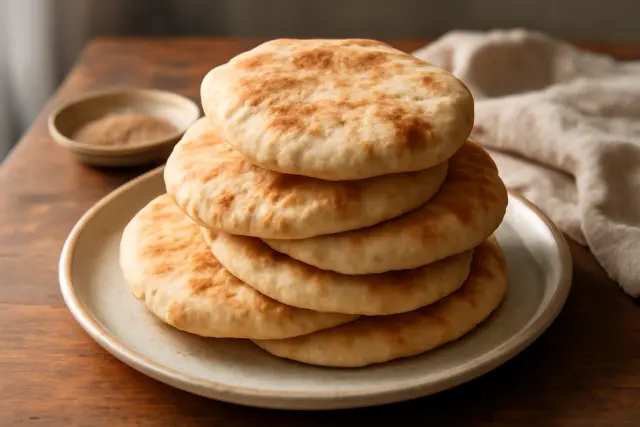
- For another yeast-free flatbread technique, see this homemade pita bread recipe. Its dough and cooking method are different, but the same principles—resting, even rolling, and a hot cooking surface—are useful.
Serving and storage
Serve the tortillas warm with tacos, scrambled eggs, beans, grilled vegetables, shredded chicken, or melted cheese. They are also useful for quesadillas and wraps.
Once completely cool, stack the tortillas in an airtight container or zip-top bag. Keep them at room temperature for up to 2 days or refrigerate them for up to 1 week. For longer storage, place parchment between the tortillas, seal them in a freezer bag, and freeze for up to 3 months.
To reheat, warm one tortilla at a time in a dry skillet for about 10–15 seconds per side, or wrap a stack in a slightly damp kitchen towel and microwave in 20-second bursts until flexible. Keep reheated tortillas covered so they do not dry out.
Frequently asked questions
Can I make homemade flour tortillas without baking powder?
Yes. Omit the baking powder for a slightly less puffy tortilla. The tortillas will still be soft if the dough is hydrated well, rested for at least 30 minutes, rolled evenly, and cooked briefly in a hot skillet.
Why does my tortilla dough keep shrinking when I roll it?
The dough needs more resting time. Cover the dough or dough balls and wait another 15–20 minutes before rolling. Also avoid adding more flour than necessary, since a dry dough can be harder to stretch.
Can I use butter instead of shortening or oil?
Yes, use 5 tablespoons of softened unsalted butter. Rub it into the flour as directed. Butter gives the tortillas a richer flavor, though the texture may be slightly less flexible than tortillas made with shortening or oil.
How thin should flour tortillas be?
For 8-inch tortillas, roll each dough ball until it is thin and evenly shaped, with the work surface faintly visible through the center. Avoid paper-thin edges, which can turn crisp before the center cooks.
What is the best way to keep tortillas soft?
Cover each cooked tortilla immediately with a clean towel or place it in a tortilla warmer. The trapped warmth softens the tortillas and prevents their edges from drying while you finish cooking the batch.