Recipes
Kabuli Bread
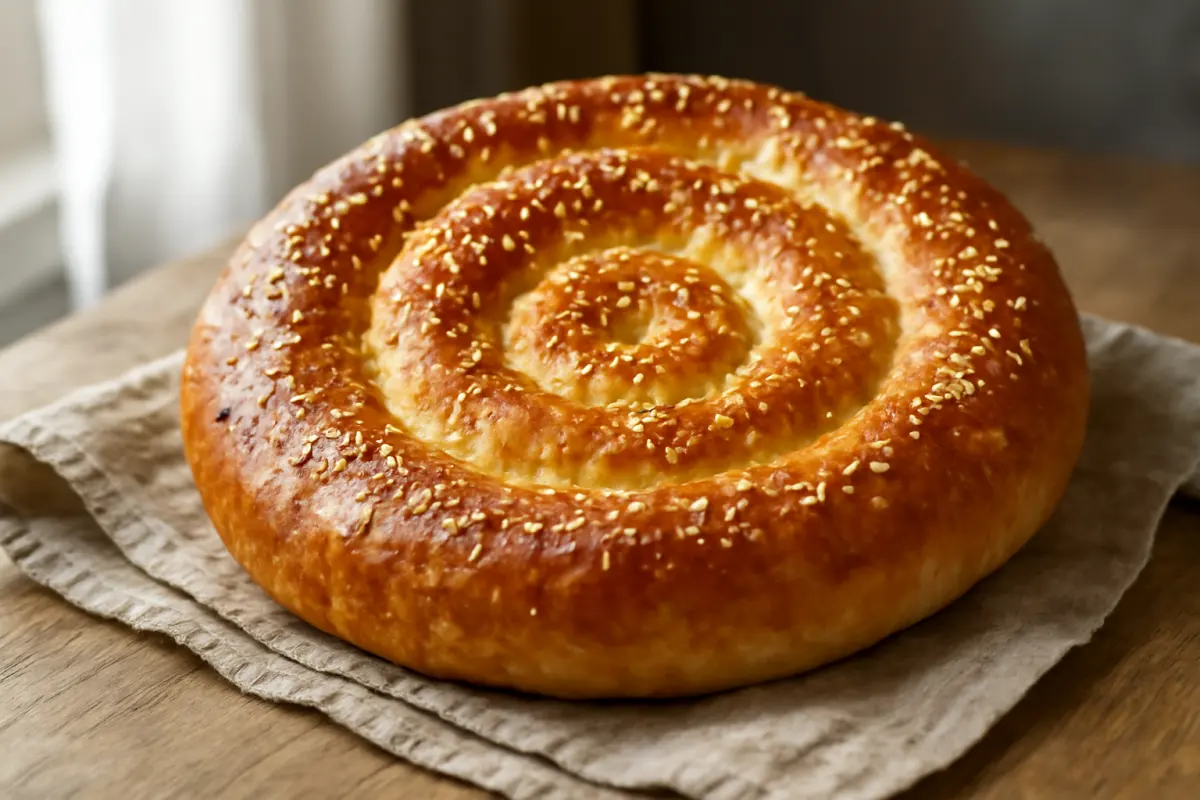
Kabuli bread is a soft, lightly chewy Afghan-style flatbread with a blistered surface and tender center. This practical recipe uses yeast, yogurt, and a hot oven to produce bread for dipping, wrapping, or serving with stews.
Overview
Kabuli bread is a soft, lightly chewy Afghan-style flatbread with a blistered crust and a tender interior. It is shaped into an oval, marked with lengthwise ridges, and baked at high heat so the surface colors quickly while the middle stays pliable.
This home-kitchen version makes four breads. Yogurt adds tenderness without making the dough difficult to handle, while a short rest after shaping helps the bread bake evenly. Serve it warm with stews, grilled foods, dips, or a little butter.
Ingredients
- 240 ml lukewarm water, about 38–40°C (100–104°F)
- 2 teaspoons instant yeast
- 1 teaspoon granulated sugar
- 500 g plain flour, plus extra for shaping
- 1½ teaspoons fine salt
- 120 g plain full-fat yogurt, at room temperature
- 2 tablespoons neutral oil, plus more for the bowl and brushing
- 1 tablespoon sesame seeds or nigella seeds, optional
- 1 tablespoon melted butter or oil, for brushing after baking
How to make it
Activate the yeast if using active dry yeast. Stir the lukewarm water, sugar, and yeast together in a small bowl. Leave it for 5–10 minutes, until a thin foamy layer appears. Instant yeast can be mixed directly with the flour instead.
Mix the dough. Put the flour and salt in a large bowl. Add the yeast mixture, yogurt, and 2 tablespoons of oil. Stir with a sturdy spoon until the flour is absorbed and a shaggy dough forms. If the dough looks dry, add water 1 teaspoon at a time; if it is very sticky, wait a few minutes before adding flour because the dough will firm as the flour hydrates.
Knead until smooth. Transfer the dough to a lightly floured work surface and knead for 8–10 minutes. It should become smooth, elastic, and slightly tacky but not coat your hands with wet dough. To test it, press a finger into the surface: the dough should slowly spring back rather than tear immediately.
Let the dough rise. Lightly oil the bowl, return the dough, and turn it once to coat. Cover and leave in a warm, draft-free place for 60–90 minutes, or until it has nearly doubled. A cool kitchen may require closer to 2 hours.
Heat the oven and baking surface. Place a heavy baking sheet, pizza stone, or steel in the oven and heat to 240°C (465°F) for at least 30 minutes. A fully heated surface gives the bread a stronger initial puff. If your oven is fan-assisted, use 220°C (425°F) unless you know it runs cool.
Divide the dough. Deflate the risen dough gently and divide it into four equal pieces, about 215 g each. Shape each piece into a ball. Cover the balls with a clean towel and rest for 10 minutes so they stretch without pulling back.
Shape one bread. Lightly flour the work surface. Press one dough ball into an oval about 20 cm long and 12 cm wide, keeping it roughly 6 mm thick. Avoid rolling it paper-thin; a little thickness is what keeps the center soft.
Make the ridges. Use your fingertips or the edge of a blunt knife to press several long, shallow grooves down the length of the oval. Do not cut all the way through. If using seeds, brush or lightly dampen the top and scatter them over the surface, pressing them in gently so they stay attached.
Bake. Carefully transfer the shaped dough to the hot baking surface. Bake for 7–10 minutes, one or two breads at a time depending on the size of your oven. The bread is ready when it has puffed in places, the edges are lightly browned, and the ridges have golden spots. For a darker surface, move it under the grill or broiler for 30–60 seconds, watching constantly.
Finish and keep soft. Brush the hot bread with melted butter or oil, then wrap it in a clean tea towel for 5 minutes. The trapped steam softens the crust. Repeat with the remaining dough, reheating the baking surface between batches if necessary.
Expert tips
- Do not use hot water. Water above lukewarm can weaken or kill the yeast. If it feels hot on your wrist, let it cool before mixing.
- Adjust for the flour. Flour absorbs different amounts of water. Aim for a supple, slightly tacky dough rather than adding a fixed amount of extra flour.
- Use a hot surface. A cold tray often produces pale, dry bread because the dough takes too long to heat. Preheat the tray or stone for the full 30 minutes.
- If the dough keeps shrinking, rest it. Cover the shaped oval for another 5–10 minutes, then stretch it again. The gluten needs time to relax.
- If the top browns before the center cooks, lower the oven temperature to 220°C (425°F) and bake for another 2–3 minutes. The center should feel springy, not doughy, when pressed.
- If the bread is tough, it was probably over-floured, rolled too thin, or baked too long. Keep the dough slightly tacky and wrap each finished bread in a towel as it comes out.
- For a dairy-free version, replace the yogurt with 90 g unsweetened plant yogurt or 75 ml additional water. Add the liquid gradually because plant yogurts vary in thickness.
Serving and storage
Serve Kabuli bread warm, torn into pieces or cut into strips. It works well alongside bean dishes, grilled meat, roasted vegetables, dips, and stews such as Pakistani chicken karahi. A little butter, honey, or soft cheese is also suitable for a simple breakfast.
Store cooled bread in an airtight bag or container at room temperature for up to 2 days. Rewarm it in foil in a 180°C (350°F) oven for 5–8 minutes, or heat it briefly in a dry skillet. For longer storage, freeze the cooled breads in a sealed freezer bag for up to 2 months, separating them with parchment. Thaw at room temperature and reheat before serving.
Frequently asked questions
What is Kabuli bread?
Kabuli bread is an Afghan-style flatbread associated with Kabul. It is typically shaped as an oval, marked with lengthwise ridges, and baked until lightly blistered with a soft, chewy center.
Can I make Kabuli bread without a pizza stone?
Yes. Preheat a heavy baking sheet upside down, then place the dough on it. The surface will not retain heat as well as a stone or steel, so allow it to preheat for at least 30 minutes and bake in small batches.
Why did my Kabuli bread turn out hard?
Common causes are adding too much flour, shaping the dough too thin, or baking it too long. Keep the dough slightly tacky, leave the oval about 6 mm thick, and wrap each bread in a towel immediately after baking.
Can Kabuli bread dough be prepared ahead?
Yes. After kneading, cover the dough and refrigerate it for up to 24 hours. Let it sit at room temperature for about 45–60 minutes before dividing and shaping, then bake as directed.