Recipes
Pork Carnitas Recipe
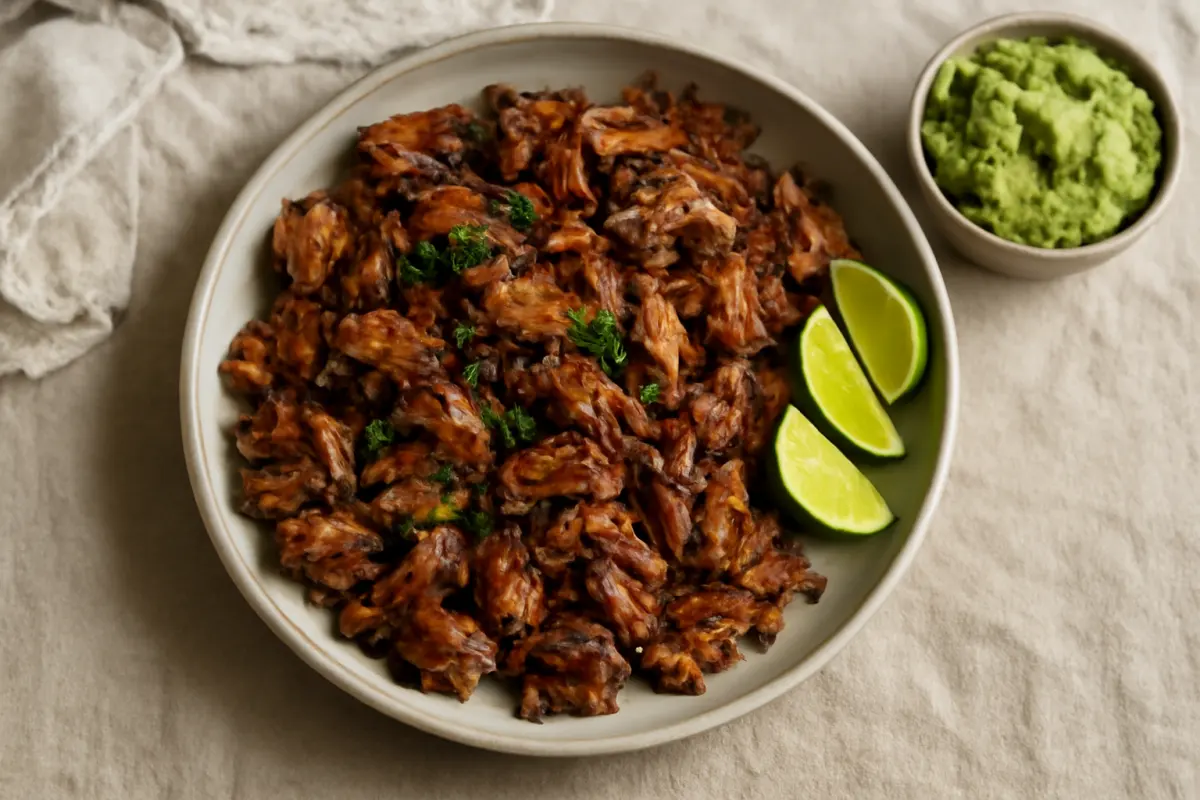
This pork carnitas recipe braises pork shoulder with orange, lime, garlic, and spices until tender, then quickly broils it for the crisp edges that make carnitas so good.
Overview
This pork carnitas recipe turns well-marbled pork shoulder into tender, citrus-scented pieces with deeply browned edges. The pork cooks gently in a covered Dutch oven until it pulls apart easily, then the shredded meat is crisped with a little of its flavorful cooking liquid.
Serve the carnitas in warm tortillas with onion, cilantro, lime, and salsa, or use them in rice bowls, tostadas, quesadillas, and salads. The recipe is designed for a 3-pound pork shoulder and makes about 8 servings.
Ingredients
- 3 pounds boneless pork shoulder, cut into 2-inch chunks
- 2 teaspoons kosher salt
- 1 teaspoon ground cumin
- 1 teaspoon dried oregano, preferably Mexican oregano
- 1 teaspoon smoked paprika
- 1/2 teaspoon freshly ground black pepper
- 1 tablespoon neutral oil, such as avocado, canola, or vegetable oil
- 1 medium yellow onion, quartered
- 6 garlic cloves, lightly crushed
- 1 cup low-sodium chicken broth
- 1 large orange, well scrubbed
- 1 lime
- 2 bay leaves
- 1/2 teaspoon red pepper flakes, optional
For serving:
- 16 small corn or flour tortillas
- 1/2 small white onion, finely diced
- 1/2 cup chopped fresh cilantro
- 1 avocado, sliced, optional
- Salsa, to taste
- Lime wedges
How to make it
Heat the oven and season the pork. Set a rack in the lower-middle position and heat the oven to 325°F (165°C). Pat the pork dry with paper towels. Combine the salt, cumin, oregano, smoked paprika, and black pepper in a small bowl, then toss the pork with the seasoning until every piece is coated.
Brown the pork in batches. Heat the oil in a large Dutch oven over medium-high heat. Add enough pork to cover the bottom without crowding it. Brown for 3 to 4 minutes per side, turning until several sides are deeply golden. Transfer the browned pieces to a plate and repeat with the remaining pork. Add another teaspoon of oil only if the pot looks dry.
Build the braising liquid. Reduce the heat to medium. Add the onion and cook for about 3 minutes, stirring up browned bits, until it begins to soften. Add the garlic and red pepper flakes, if using, and cook for 30 seconds. Pour in the chicken broth.
Use a fine grater to zest half of the orange directly into the pot. Cut the orange in half and squeeze its juice into the pot, then add the spent orange halves. Squeeze in the lime juice and add the lime halves, bay leaves, and browned pork along with any juices on the plate. The liquid should come about one-third of the way up the pork, not cover it.
Braise until tender. Bring the liquid just to a simmer, then cover the Dutch oven and transfer it to the oven. Cook for 2 to 2 1/2 hours, turning the pork once halfway through. The pork is ready when a fork slides into the thickest pieces with almost no resistance and the meat separates easily when pressed. If it still feels springy or difficult to shred, cover it and cook for another 20 to 30 minutes.
Shred the pork and reduce the juices. Transfer the pork to a rimmed baking sheet or large bowl. Remove and discard the bay leaves, orange halves, and lime halves. Let the cooking liquid stand for a few minutes, then skim off some of the fat if there is more than a thin layer. Taste the liquid and add a pinch more salt if needed.
Shred the pork into bite-size pieces, discarding any large pieces of connective tissue. Pour about 1 cup of the cooking liquid over the shredded pork and toss gently. If the remaining liquid in the Dutch oven is thin, simmer it uncovered on the stovetop for 5 to 10 minutes to concentrate its flavor.
Crisp the carnitas. Move an oven rack about 6 inches below the broiler and heat the broiler to high. Spread the shredded pork in a single, fairly loose layer on the baking sheet. Broil for 3 to 5 minutes, watching closely, until the top edges are browned and crisp. Toss the pork, spoon over a few more tablespoons of cooking liquid, and broil for 2 to 4 minutes more. The best pieces will have crisp, dark-golden edges while the centers remain juicy.
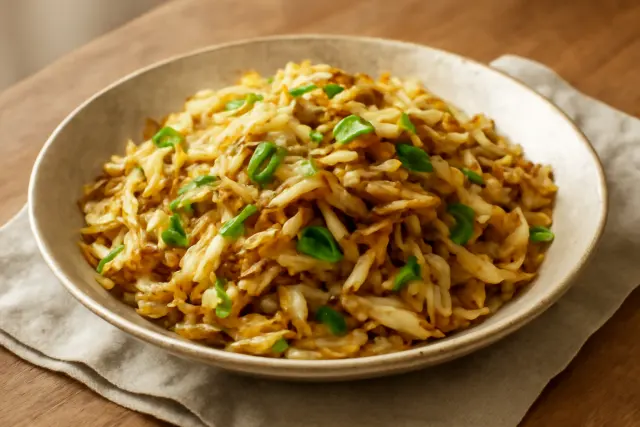
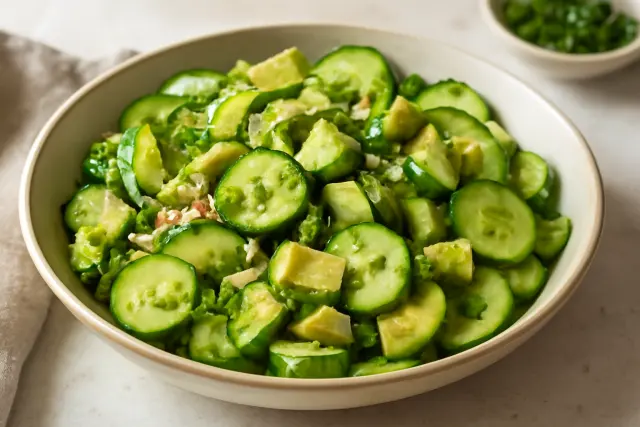
Warm the tortillas and serve. Warm the tortillas in a dry skillet for about 20 seconds per side, or wrap them in foil and heat them in the oven for 5 minutes. Fill with carnitas, diced onion, cilantro, salsa, avocado if using, and a squeeze of lime. For a fresh side, pair the rich pork with cucumber avocado salad. A quick cabbage stir-fry also works well in tacos or bowls.
Expert tips
- Choose pork shoulder, not lean loin. Shoulder has enough fat and connective tissue to become succulent during the long braise. Boneless shoulder is easiest to portion, but a bone-in roast also works; use about 3 1/2 to 4 pounds and remove the bone after cooking.
- Do not skip browning. The browned bits left in the pot add savory depth. If the pork releases a lot of liquid, keep cooking until the liquid evaporates and the pieces begin to brown.
- Keep the braising liquid shallow. Carnitas are braised, not boiled. Too much liquid can make the pork taste diluted and prevent the surface from browning.
- Use the broiler carefully. Shredded pork can go from golden to burnt quickly. Stay nearby, check after 2 minutes, and rotate the baking sheet if one area is browning faster.
- For a slow cooker: Brown the pork first, then cook it with the remaining ingredients on LOW for 7 to 8 hours or HIGH for 4 to 5 hours. Shred it, moisten it with the cooking juices, and crisp it under the broiler as directed.
- If you have no Dutch oven: Use a deep, oven-safe casserole or roasting pan covered very tightly with foil. Check the liquid after about 90 minutes and add a little broth if the bottom looks dry.
Serving and storage
Serve the carnitas hot in tortillas, over rice, or alongside beans and a crisp vegetable. Keep extra cooking liquid separately if possible; spooning it over the pork when reheating helps prevent dryness.
Cool leftovers promptly in shallow containers and refrigerate them within 2 hours. Store the pork and cooking liquid in airtight containers for up to 4 days. Reheat in a covered skillet over medium-low heat with a splash of broth or reserved juices, then uncover briefly to restore some crispness. You can also freeze cooled carnitas with a little cooking liquid for up to 3 months. Thaw overnight in the refrigerator before reheating, and heat until steaming hot throughout.
Frequently asked questions
Can I make pork carnitas ahead of time?
Yes. Braise and shred the pork up to 4 days ahead, then refrigerate it with some cooking liquid. Crisp it under the broiler just before serving so the edges stay browned rather than soggy.
Why are my carnitas tough instead of tender?
The pork probably needs more time. Pork shoulder can remain firm for much of the cooking process, then become tender fairly quickly. Cover it and continue braising in 20- to 30-minute increments until a fork slides in easily and the meat pulls apart.
How do I make carnitas crisp without drying them out?
Spread the shredded pork in a loose single layer, moisten it with a little braising liquid, and broil only until the edges brown. A short second broil after tossing gives you crisp spots without overcooking the whole batch.
Can I use pork loin for this recipe?
Pork loin is much leaner and is likely to become dry during a long braise, so pork shoulder is the better choice. If loin is your only option, cook it just until tender, use plenty of reserved juices, and skip prolonged broiling.
What can I use instead of Mexican oregano?
Regular dried oregano works in the same quantity. Mediterranean oregano has a stronger, more earthy flavor, so you can start with 3/4 teaspoon and add more to taste.