Recipes
Vegetable Pulao Recipe
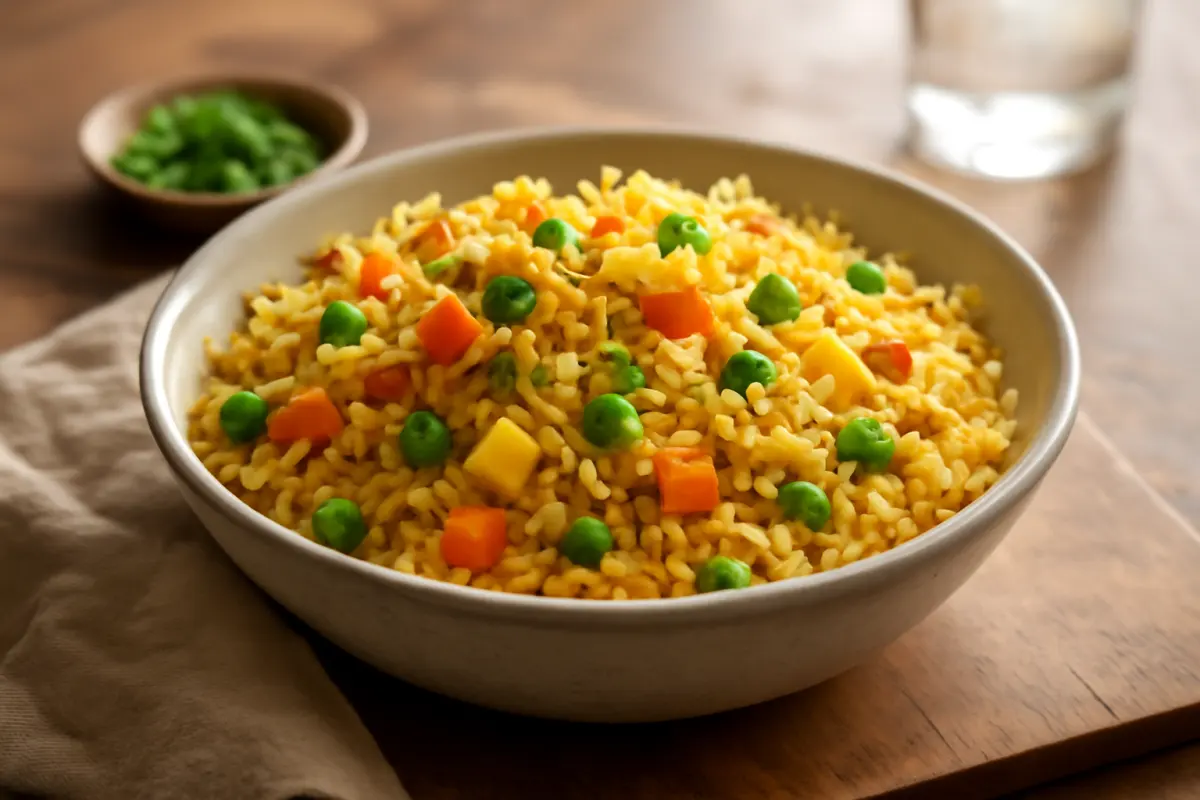
This vegetable pulao recipe makes fragrant, separate grains of basmati rice with carrots, peas, green beans, and gentle whole-spice warmth. The method explains how to rinse and soak the rice, control the water, and finish the pot without turning the pulao mushy.
Overview
This vegetable pulao recipe combines long-grain basmati rice with lightly sautéed vegetables, whole spices, and a modest amount of chili. The rice cooks in one pot, absorbing the flavor of the onion and spices while the vegetables stay tender rather than soft and watery.
For the best texture, rinse the rice until the water is mostly clear and soak it before cooking. Keep the lid closed while the rice simmers and rests; that trapped steam finishes the grains gently and helps them stay separate.
Ingredients
- 1½ cups basmati rice
- 2 tablespoons neutral oil or ghee
- 1 medium yellow onion, thinly sliced, about 1½ cups
- 1 teaspoon cumin seeds
- 1 bay leaf
- 4 green cardamom pods, lightly crushed
- 4 whole cloves
- 1 small cinnamon stick, about 2 inches
- 1 small green chili, slit lengthwise, optional
- 1 teaspoon grated fresh ginger
- 2 garlic cloves, finely grated or minced
- 1 medium carrot, peeled and diced into ¼-inch pieces, about ½ cup
- ½ cup green beans, trimmed and cut into ½-inch pieces
- ½ cup frozen green peas, no need to thaw
- 1¾ teaspoons fine salt, or to taste
- 2¾ cups water or low-salt vegetable stock
- 2 tablespoons chopped cilantro, plus more for serving
- 1 tablespoon lemon juice, optional
How to make it
Rinse and soak the rice. Put the basmati rice in a bowl and cover it with cool water. Swirl the grains with your fingers, drain, and repeat four to five times, until the water is mostly clear. Cover the rice with fresh water and soak for 20 minutes. Drain it thoroughly in a fine-mesh sieve for at least 5 minutes.
Bloom the whole spices. Heat the oil or ghee in a heavy 3-quart saucepan or Dutch oven over medium heat. Add the cumin seeds, bay leaf, cardamom, cloves, and cinnamon. Cook for 30 to 45 seconds, until the cumin smells nutty and the spices are fragrant. Do not let the cumin or cinnamon darken heavily.
Cook the onion. Add the sliced onion and cook for 7 to 9 minutes, stirring every minute or two. The onion should become soft and pale golden at the edges, not deeply browned. If it starts catching on the bottom, lower the heat and add 1 tablespoon of water.
Add the aromatics and vegetables. Stir in the green chili, ginger, and garlic. Cook for 30 seconds, just until the raw garlic smell fades. Add the carrot and green beans and cook for 2 minutes. Stir in the frozen peas and cook for 1 minute more.
Toast the rice briefly. Add the drained rice and salt. Fold gently for 1 to 2 minutes, coating the grains with the spiced oil. Stir carefully so the soaked rice does not break. The grains should look glossy and smell faintly nutty.
Add the cooking liquid. Pour in the water or vegetable stock and bring it to a full boil over medium-high heat. Taste the liquid carefully; it should be noticeably seasoned, since the rice will absorb the salt. Adjust with a pinch more salt if needed.
Simmer covered. Once boiling, stir the rice once, reduce the heat to the lowest setting, and cover the pot tightly. Cook for 12 minutes. Avoid lifting the lid during this time. The rice is nearly ready when the liquid is no longer visible and small steam holes appear across the surface.
Rest the pulao. Turn off the heat and leave the pot covered for 10 minutes. The rice should be tender but still distinct, and the vegetables should yield easily when pressed with a fork. If a grain is still firm in the center, cover the pot again and rest for 5 more minutes.
Fluff and finish. Remove the bay leaf, cinnamon stick, and any whole cloves you can easily find. Add the cilantro and lemon juice, if using. Fluff from the bottom with a fork or a wide rice paddle, lifting rather than stirring vigorously. Serve hot.
Expert tips
- Use the right water ratio: The listed 2¾ cups works for 1½ cups soaked basmati rice in a covered pot. Older rice or a loose-fitting lid may need 2 to 3 extra tablespoons of water.
- Prevent mushy pulao: Drain the soaked rice well, measure the liquid accurately, and keep the heat low once the pot is covered. Do not repeatedly stir the rice.
- Prevent hard rice: Make sure the liquid reaches a full boil before covering the pot. If the rice is still firm after resting, sprinkle 2 tablespoons hot water over it, cover, and steam on low for 5 minutes.
- Adjust the vegetables: Bell pepper, cauliflower florets, corn, or diced potato can replace some of the listed vegetables. Cut dense vegetables small so they cook in the same time as the rice.
- Use stock carefully: Low-salt vegetable stock adds flavor, but regular stock can make the pulao too salty. Taste the liquid before covering the pot.
- For deeper onion flavor: Cook the onion a few minutes longer until golden, but watch it closely; burnt onion will make the whole pot taste bitter.
- For a milder dish: Leave out the green chili and use a pinch of ground black pepper instead, if desired.
Serving and storage
Serve the pulao hot as a main dish with plain yogurt, cucumber raita, or a crisp salad. It also works as a rice side for a saucy dish such as Pakistani chicken karahi. Scatter extra cilantro over each portion just before serving.
Cool leftovers promptly in a shallow container and refrigerate them within 2 hours. Store covered for up to 3 days. Reheat only the portion you need, adding 1 tablespoon of water per cup of rice and covering it so the steam restores moisture. Heat until piping hot, and do not repeatedly cool and reheat the same batch.
Frequently asked questions
Why is my vegetable pulao mushy?
The usual causes are too much water, rice that was not drained after soaking, or vigorous stirring while the rice cooked. Spread the cooked pulao gently on a wide tray for a few minutes to release steam, then fluff it lightly. For the next batch, measure the liquid precisely and keep the lid closed during simmering.
Can I make vegetable pulao without soaking the rice?
Yes, but the texture and cooking time may change. Rinse the rice well, use 2¾ cups water as a starting point, and check it after 14 to 16 minutes of covered simmering. Soaked rice is more forgiving and usually cooks more evenly.
Can I use brown rice for this recipe?
Brown rice needs substantially more liquid and a longer cooking time, so it should not be substituted using the quantities in this recipe. Follow the cooking instructions on the brown rice package and sauté the vegetables separately if they would become too soft during the longer simmer.
What vegetables can I add to pulao?
You can use diced bell pepper, cauliflower, corn, shelled edamame, or small potato cubes. Keep the total vegetable amount close to 1½ cups so the rice has enough space and liquid to cook evenly. Add quick-cooking vegetables later and dense vegetables earlier.
How do I reheat vegetable pulao without drying it out?
Add about 1 tablespoon of water per cup of rice, cover, and heat until steaming hot. On the stovetop, use low heat; in a microwave, use a microwave-safe covered container and heat in short intervals, fluffing between them.