Recipes
Apricot Glazed Chicken Recipe
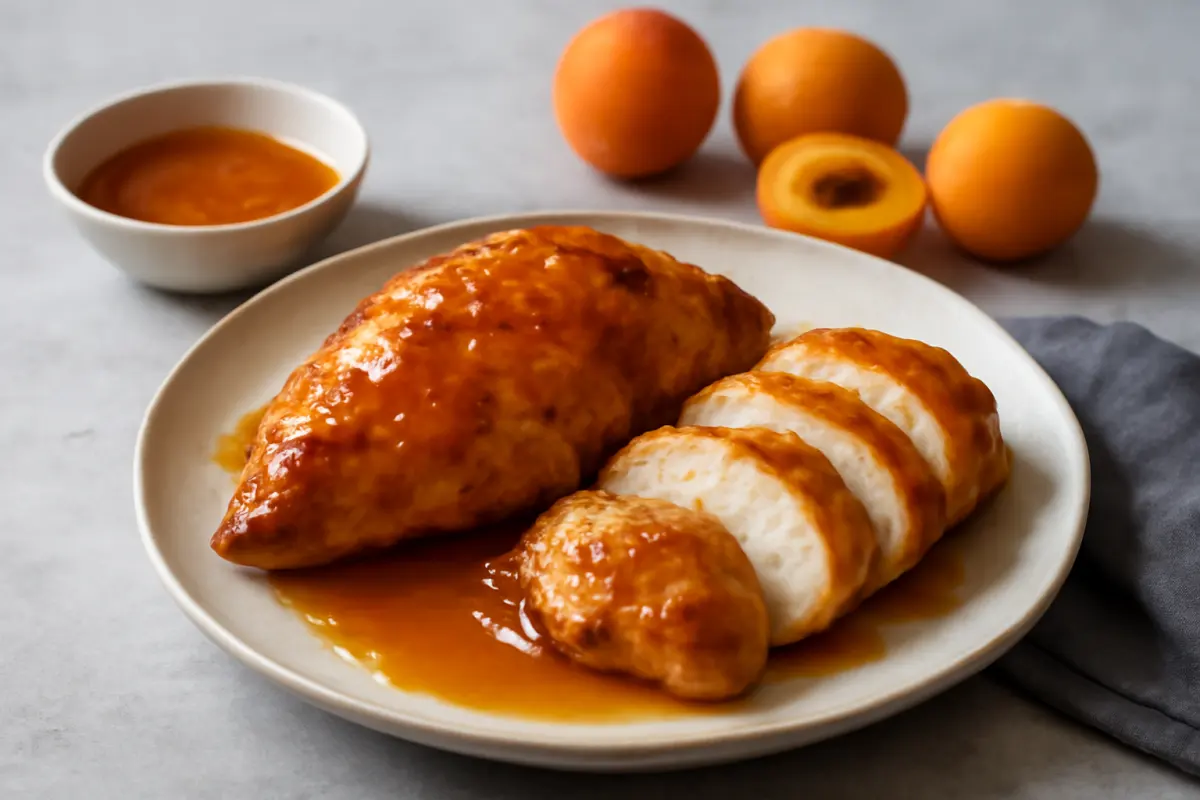
This apricot glazed chicken pairs browned, juicy chicken thighs with a glossy sauce made from apricot preserves, garlic, soy sauce, Dijon mustard, and a splash of vinegar. It is a straightforward stovetop dinner with plenty of sweet-savory flavor and a practical method for keeping the glaze from burning.
Overview
This apricot glazed chicken recipe uses boneless, skinless chicken thighs for a juicy result and a quick pan sauce that turns glossy as it simmers. Apricot preserves provide the fruit flavor, while garlic, soy sauce, Dijon mustard, and apple cider vinegar keep the glaze balanced rather than simply sweet.
The chicken cooks in one large skillet and is ready in about 35 minutes. Serve it with rice, couscous, roasted vegetables, or a crisp green salad so there is something to catch the extra sauce.
Ingredients
- 1 1/2 pounds boneless, skinless chicken thighs, trimmed of excess fat
- 1 teaspoon kosher salt, divided
- 1/2 teaspoon freshly ground black pepper
- 2 tablespoons neutral oil, such as canola or avocado oil
- 1/2 cup apricot preserves
- 1/4 cup low-sodium soy sauce
- 2 tablespoons apple cider vinegar
- 1 tablespoon Dijon mustard
- 2 garlic cloves, finely grated or minced
- 1/4 teaspoon red pepper flakes, optional
- 1/3 cup water
- 1 tablespoon chopped fresh parsley or sliced green onion, for serving, optional
How to make it
Prepare the chicken. Pat the chicken thighs dry with paper towels. Season both sides with 3/4 teaspoon of the salt and all of the black pepper. Let the chicken stand while you mix the glaze.
Mix the apricot glaze. In a small bowl, whisk together the apricot preserves, soy sauce, apple cider vinegar, Dijon mustard, garlic, red pepper flakes if using, and water. If the preserves are very firm, whisk until the mixture is as smooth as possible; small pieces will melt in the skillet.
Brown the chicken. Heat the oil in a large skillet over medium-high heat. Add the chicken in a single layer, leaving space between the pieces. Cook for 4 to 5 minutes on the first side, until deeply golden, then turn and cook for 3 minutes on the second side. The chicken does not need to be fully cooked yet. Work in two batches if the skillet is crowded.
Add the glaze. Reduce the heat to medium-low. Pour the apricot mixture around the chicken, then turn the pieces once or twice to coat them. Scrape up any browned bits from the bottom of the pan with a wooden spoon.
Simmer until cooked through. Cover the skillet and simmer for 8 to 12 minutes, turning the chicken halfway through. The sauce should bubble gently, not boil hard. The chicken is done when the thickest piece reaches 165°F on an instant-read thermometer and the juices run clear when it is cut. If the pieces vary greatly in size, remove the smaller ones first and continue cooking the larger pieces.
Thicken and coat. Transfer the cooked chicken to a plate and leave the skillet uncovered. Simmer the glaze for 2 to 4 minutes, stirring often, until it looks shiny and thick enough to cling to a spoon. Return the chicken and turn it in the sauce. If the glaze starts sticking before it thickens, reduce the heat and stir in 1 tablespoon of water at a time.
Rest and serve. Let the chicken rest for 3 minutes so the juices settle. Spoon the extra apricot glaze over the top and finish with parsley or green onion if desired.
Expert tips
- Use a thermometer for the clearest doneness check. Chicken thighs are forgiving, but the thickest part should still reach 165°F before serving.
- Do not start with high heat once the preserves are added. Sugar can scorch quickly, so medium-low heat gives the chicken time to finish while the glaze reduces.
- Avoid crowding the pan. Too many pieces at once trap steam and prevent browning. Brown in batches if necessary.
- For chicken breasts, use 1 1/2 pounds boneless, skinless breasts sliced horizontally into cutlets. Brown them for about 2 to 3 minutes per side, then simmer in the glaze just until they reach 165°F; thin breast meat can dry out if left in the sauce too long.
- If using whole-grain mustard, substitute it one-for-one for Dijon. The glaze will have a slightly more textured finish.
- If your preserves are very sweet, add another teaspoon of apple cider vinegar after tasting the finished sauce. Add it gradually so the glaze stays balanced.
Serving and storage
Serve the chicken with steamed rice, couscous, quinoa, roasted broccoli, or sautéed green beans. The sauce is also good spooned over the starch alongside the chicken. For another chicken dinner built around bold seasoning and flexible sides, see this chicken shawarma bowl recipe.
Refrigerate leftovers in a covered container within 2 hours of cooking and use them within 3 to 4 days. Store the chicken with its glaze so it stays moist. Reheat gently in a covered skillet over low heat with 1 to 2 tablespoons of water, or microwave in short intervals until hot throughout. Freeze cooled chicken and sauce in an airtight container for up to 2 months; thaw overnight in the refrigerator before reheating.
Frequently asked questions
Can I make apricot glazed chicken with chicken breasts?
Yes. Slice boneless, skinless breasts into thinner cutlets so they cook evenly. Brown them briefly, then simmer them in the glaze only until the thickest part reaches 165°F; breast meat can become dry if overcooked.
What can I use instead of apricot preserves?
Peach preserves are the closest substitute. Orange marmalade also works, but it will make the sauce more citrusy and slightly bitter. If using marmalade, taste the finished glaze before adding any extra vinegar.
Why is my apricot glaze burning?
Apricot preserves contain sugar, so they can scorch over high heat. Add the glaze after browning the chicken, reduce the heat to medium-low, and stir frequently while it thickens. If it becomes too thick, loosen it with a tablespoon of water.
How do I know when the chicken is done?
Check the thickest part of the largest piece with an instant-read thermometer. It should reach 165°F. The chicken should look opaque in the center, and the glaze should cling to the surface rather than remain watery.
Can I prepare the glaze ahead of time?
Yes. Whisk the glaze ingredients together up to 2 days ahead and refrigerate the covered mixture. Stir it well before adding it to the skillet.