Recipes
Chocolate Orange Truffles Recipe
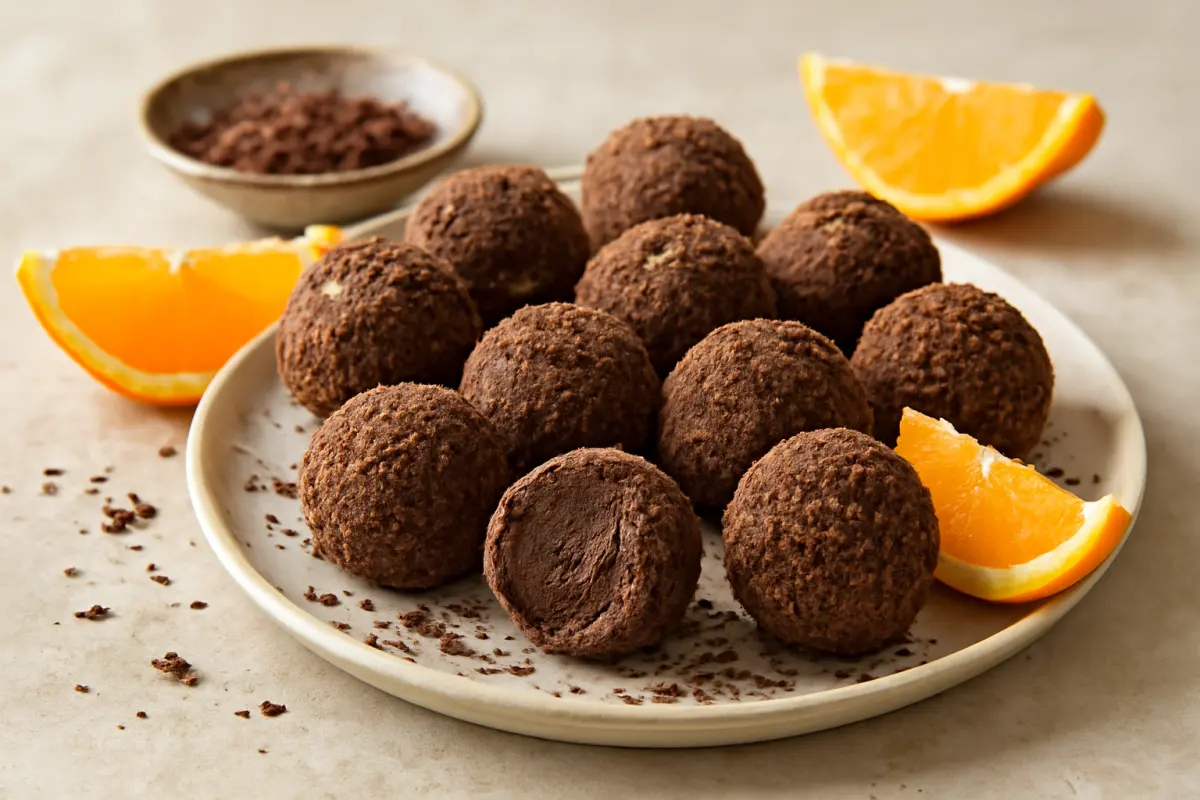
These chocolate orange truffles have a smooth, rich ganache center scented with fresh orange zest and juice. Chill the mixture until scoopable, then finish the truffles with cocoa powder, melted chocolate, or finely chopped nuts.
Overview
These chocolate orange truffles are made from a simple dark chocolate ganache flavored with fresh orange zest and a small amount of orange juice. The result is rich and creamy, with a bright citrus note that keeps the chocolate from tasting flat.
The ganache needs time to firm up before shaping, so allow at least 2 hours for chilling. This recipe makes about 24 small truffles and gives you three easy finishing options: cocoa powder, melted chocolate, or finely chopped toasted nuts.
Ingredients
- 225 g (8 oz) bittersweet or semisweet chocolate, finely chopped
- 120 ml (½ cup) heavy cream
- 2 tablespoons unsalted butter, cut into small pieces
- Finely grated zest of 1 large orange, about 1 tablespoon
- 1 tablespoon fresh orange juice
- ¼ teaspoon fine salt
- ½ teaspoon vanilla extract, optional
- 40 g (½ cup) unsweetened cocoa powder, for coating
For an alternative coating, use one of these instead of the cocoa powder:
- 170 g (6 oz) bittersweet or semisweet chocolate, finely chopped, for dipping
- 75 g (¾ cup) finely chopped toasted hazelnuts or almonds
How to make it
Prepare the chocolate. Put the finely chopped chocolate in a medium heatproof bowl. Smaller pieces melt more evenly and reduce the chance of leaving firm bits in the finished ganache.
Heat the cream and orange. Add the heavy cream, butter, orange zest, orange juice, and salt to a small saucepan. Warm over medium-low heat, stirring once or twice, until the cream is steaming and the butter has melted. Do not let the mixture boil vigorously; if it becomes very hot, remove it from the heat immediately.
Make the ganache. Pour the hot cream mixture over the chocolate. Leave it undisturbed for 2 minutes, then stir slowly from the center outward until the chocolate is completely melted and the mixture looks smooth and glossy. Stir in the vanilla, if using.
Chill until firm. Press a piece of plastic wrap directly onto the surface of the ganache. Refrigerate for 1½ to 2 hours, or until it is firm enough to scoop but not hard. The ganache should hold a mound when lifted with a spoon. If it is still loose, chill it for another 20 to 30 minutes.
Prepare the coating. Spread the cocoa powder in a shallow bowl. If using chopped nuts, place them in a second shallow bowl. For chocolate-dipped truffles, wait to melt the coating until after shaping.
Shape the truffles. Use a small cookie scoop or teaspoon to portion the chilled ganache into roughly 2-teaspoon portions. Roll each portion quickly between your palms to make a ball. If the mixture starts sticking heavily to your hands, return the bowl to the refrigerator for 15 minutes before continuing.
Coat with cocoa or nuts. Roll each truffle in cocoa powder or chopped nuts until covered. Arrange them in a single layer on a parchment-lined plate or tray.
Dip in chocolate, if preferred. Melt the 170 g of coating chocolate in a heatproof bowl set over a saucepan of barely simmering water, or microwave it in 20-second bursts, stirring after each burst. Dip each truffle with a fork, let excess chocolate drip back into the bowl, and place it on parchment. Leave at room temperature until the coating is set, about 30 minutes, or refrigerate for 15 minutes.
Finish and serve. If using cocoa powder, roll the truffles once more just before serving if the coating has become patchy. Serve them slightly cool or at cool room temperature; the centers should feel firm but soften as you bite into them.
Expert tips
- Use finely chopped chocolate. A chocolate bar chopped into small, even pieces melts more reliably than large chunks or some types of baking chips.
- Choose the chocolate to match your taste. Semisweet chocolate makes a sweeter truffle, while bittersweet chocolate gives a deeper cocoa flavor. Avoid unsweetened chocolate, which will make the ganache harsh.
- Keep the orange flavor balanced. Orange zest supplies most of the aroma. Use only 1 tablespoon of juice; adding much more can make the ganache softer and less intensely chocolaty.
- If the ganache looks grainy, warm it gently over a saucepan of barely simmering water while stirring slowly. A teaspoon of warm cream can help loosen it, but add it gradually so the truffle mixture does not become too soft.
- If the ganache is too soft after chilling, melt 30 to 45 g more finely chopped chocolate, stir it into the ganache, and chill again. This is more dependable than adding cocoa powder to the center, which can make it dry.
- If the ganache is too firm, let it stand at room temperature for 10 to 15 minutes before scooping. Do not microwave the whole bowl for a long interval, because the edges may melt before the center softens.
- For cleaner shaping, portion all the chilled ganache first, then roll the pieces. A small scoop dipped in warm water and dried between portions also helps.
- For a stronger citrus note, add another ½ teaspoon of finely grated zest rather than more juice. Avoid grating the white pith, which can taste bitter.
Serving and storage
Serve the truffles on a small dessert plate with coffee, tea, or other chocolate desserts such as this chocolate bread pudding. They also make a neat bite-sized finish for a dessert platter alongside tiramisu.
Store the truffles in an airtight container in the refrigerator for up to 1 week. Place parchment between layers if they are cocoa-coated or dipped in chocolate. Let them sit at room temperature for 15 to 20 minutes before serving so the centers become creamy rather than hard. Do not leave them at room temperature for more than 2 hours, especially in a warm room, because the ganache contains dairy.
Frequently asked questions
Can I use milk chocolate for chocolate orange truffles?
Yes, but the truffles will be sweeter and softer. Use 300 g (10½ oz) milk chocolate with the same 120 ml of cream, then chill the ganache thoroughly. Semisweet or bittersweet chocolate gives a firmer, less sweet center.
Why is my truffle mixture too runny?
It may need more chilling, especially if the cream was measured generously or the kitchen is warm. Chill it for another 20 to 30 minutes first. If it still will not hold a mound, stir in 30 to 45 g of melted chocolate and refrigerate again until firm.
Can I make chocolate orange truffles without heavy cream?
For this ganache method, heavy cream gives the smoothest texture. Full-fat coconut milk can be used in the same quantity, although it may add a subtle coconut flavor. Chill the mixture well before shaping.
How far ahead can I make these truffles?
You can make them up to 1 week ahead and keep them covered in the refrigerator. For the best texture, let them stand at room temperature for 15 to 20 minutes before serving.
What is the best chocolate coating for truffles?
Unsweetened cocoa powder is the easiest option and gives a pleasantly bitter finish. Melted bittersweet chocolate creates a firmer shell, while finely chopped toasted hazelnuts or almonds add crunch.