Recipes
Classic Shrimp Scampi Recipe
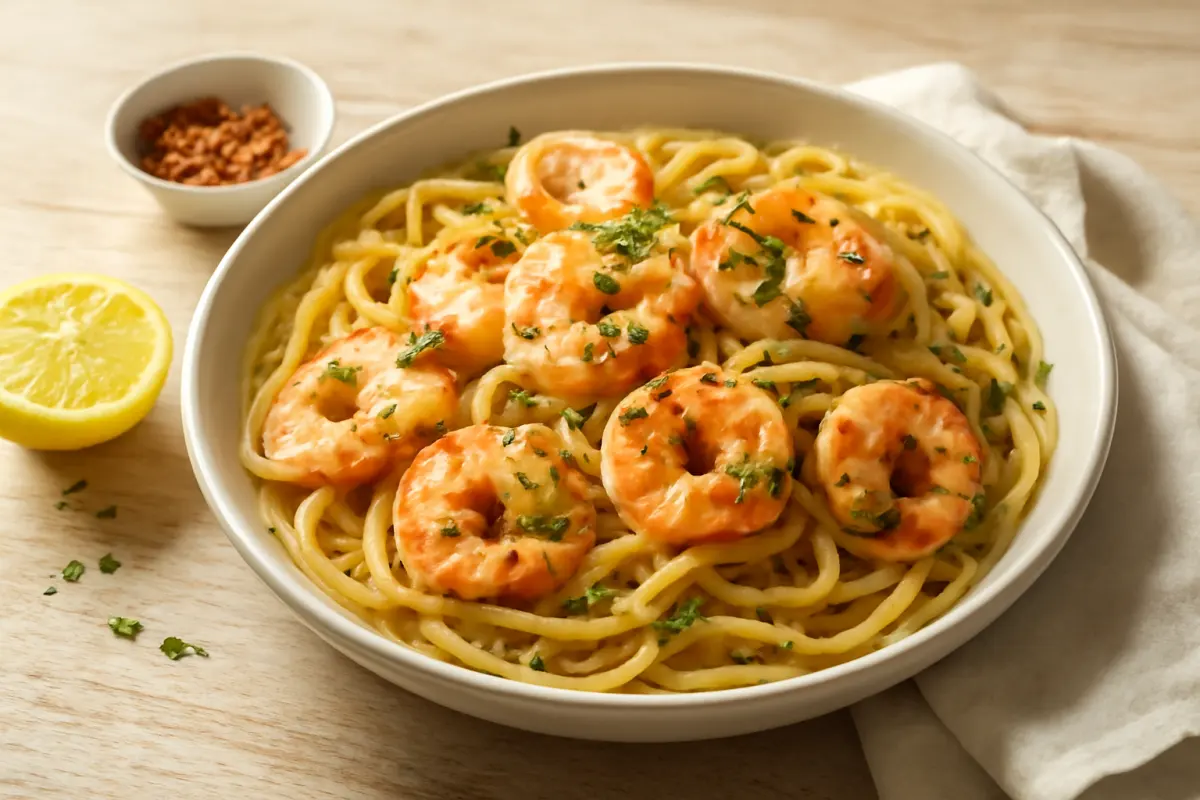
This classic shrimp scampi recipe pairs quickly cooked shrimp with garlic, butter, olive oil, lemon, white wine, and parsley. Serve it with linguine or crusty bread for a fast, flavorful dinner.
Overview
This classic shrimp scampi recipe makes tender shrimp in a bright, garlicky sauce of butter, olive oil, lemon, white wine, and parsley. The shrimp cook in just a few minutes, so have every ingredient measured before you turn on the stove.
Serve the scampi over linguine to catch the sauce, or skip the pasta and serve it with crusty bread. The key is to remove the shrimp from the heat as soon as they turn opaque and curl into a loose “C” shape; tightly curled shrimp are more likely to be overcooked.
Ingredients
- 12 ounces linguine or spaghetti, optional
- 1 pound large shrimp, peeled and deveined, tails on or off
- 1 teaspoon kosher salt, plus more for the pasta water
- 1/4 teaspoon freshly ground black pepper
- 2 tablespoons extra-virgin olive oil
- 4 tablespoons unsalted butter, divided
- 5 garlic cloves, thinly sliced or finely chopped
- 1/4 teaspoon crushed red pepper flakes, optional
- 1/2 cup dry white wine, such as Sauvignon Blanc or Pinot Grigio
- 2 tablespoons fresh lemon juice
- 1 teaspoon finely grated lemon zest
- 1/4 cup chopped fresh parsley
- Lemon wedges, for serving
How to make it
Prepare the shrimp and pasta water. Pat the shrimp dry with paper towels. Toss them with the salt and black pepper. If serving with pasta, bring a large pot of water to a boil and salt it generously. Keep the shrimp refrigerated while you prepare the other ingredients, then let them stand at room temperature for about 10 minutes before cooking.
Cook the pasta, if using. Add the linguine to the boiling water and cook according to the package directions until just tender. Reserve 1/2 cup of pasta water, then drain. Do not rinse the pasta; the surface starch helps the sauce cling.
Sear the shrimp. Heat the olive oil and 1 tablespoon of the butter in a large skillet over medium-high heat. When the butter foams, add the shrimp in a single layer. Cook for about 1 to 2 minutes on the first side, then turn and cook for 30 seconds to 1 minute more. The shrimp should be opaque at the edges and just beginning to curl. Transfer them to a plate; they will finish cooking in the sauce.
Cook the garlic. Reduce the heat to medium. Add the remaining 3 tablespoons butter, followed by the garlic and red pepper flakes, if using. Cook for 30 to 45 seconds, stirring constantly, until the garlic is fragrant but not browned. If the garlic starts to darken, lower the heat immediately; browned garlic can taste bitter.
Deglaze the skillet. Pour in the white wine and scrape up any browned bits from the bottom of the skillet. Simmer for 2 to 3 minutes, until the wine has reduced by roughly half. The sauce should still look fluid, not syrupy.
Finish the sauce. Stir in the lemon juice and lemon zest. Return the shrimp and any juices from the plate to the skillet. Cook for 1 to 2 minutes, turning once, just until the shrimp are fully opaque in the center and form loose curves. Avoid waiting for them to curl into tight rings.
Add the pasta and parsley. Toss the drained pasta into the skillet with the chopped parsley. Add the reserved pasta water, 1 tablespoon at a time, until the sauce lightly coats the noodles. Taste and adjust with more salt, pepper, or lemon juice.
Serve immediately. Divide the shrimp scampi among plates and spoon the buttery sauce over the top. Finish with lemon wedges, extra parsley, and a pinch of red pepper flakes if you want more heat.
Expert tips
- Use dry shrimp: Excess surface water makes the shrimp steam rather than sear. Pat them thoroughly before seasoning.
- Cook in batches if needed: Crowding a small skillet lowers the heat and makes even cooking difficult. The shrimp should fit in one layer with a little space between them.
- White wine substitution: Replace the wine with an equal amount of low-sodium chicken broth or seafood stock. Add an extra teaspoon of lemon juice at the end if the sauce needs more brightness.
- No fresh parsley: Use 1 tablespoon chopped fresh chives, or 1 teaspoon dried parsley added with the wine. Fresh parsley gives the cleanest flavor, but the dish will still work without it.
- For a less spicy version: Leave out the red pepper flakes. For more heat, add up to 1/2 teaspoon, but add it gradually.
- If the sauce seems thin: Toss it with the hot pasta and a splash of pasta water. The pasta starch will help it cling. Avoid boiling the sauce hard after adding the shrimp.
- If the shrimp are rubbery: They stayed on the heat too long. Next time, remove them from the first sear while the centers are still slightly translucent, then return them only long enough to finish in the sauce.
- For a creamy variation: Use this recipe as the garlicky starting point, or try a separate creamy garlic shrimp pasta recipe for a sauce with Parmesan and cream.
Serving and storage
Serve shrimp scampi immediately while the sauce is glossy and the shrimp are tender. Crusty bread is useful for soaking up the remaining butter-lemon sauce, while a simple green salad adds freshness. If you do not want pasta, spoon the shrimp and sauce over cooked rice, polenta, or roasted vegetables.
Cool leftovers promptly and refrigerate them in a covered container for up to 3 days. Reheat gently in a skillet over low heat with a tablespoon of water or broth, just until warmed through; prolonged high heat can make the shrimp tough. Cooked pasta can be stored with the shrimp, but storing it separately helps prevent it from absorbing all the sauce.
Frequently asked questions
Can I make shrimp scampi without white wine?
Yes. Replace the 1/2 cup white wine with 1/2 cup low-sodium chicken broth or seafood stock. Finish with lemon juice to restore the wine's brightness.
How do I know when shrimp scampi is done?
The shrimp are done when they are opaque from edge to center, firm but not hard, and curled into loose C shapes. Remove them from the heat promptly; tight O-shaped curls usually indicate overcooking.
Can I use frozen shrimp?
Yes. Thaw frozen shrimp completely in the refrigerator, then pat them very dry before seasoning. Do not cook them straight from frozen because they will release excess water and cook unevenly.
What pasta is best for shrimp scampi?
Linguine and spaghetti work especially well because their long strands carry the butter-lemon sauce. Angel hair cooks quickly but can become soft if left in the skillet too long.
Why did my garlic turn bitter?
Garlic turns bitter when it browns too deeply. Cook it over medium heat for only 30 to 45 seconds, and lower the heat if it begins to darken before the wine is added.