Recipes
Garlic Butter Shrimp Recipe
This garlic butter shrimp recipe cooks quickly in a rich, lemony butter sauce. Use peeled shrimp, cook them just until opaque, and serve with bread, rice, pasta, or vegetables.
Overview
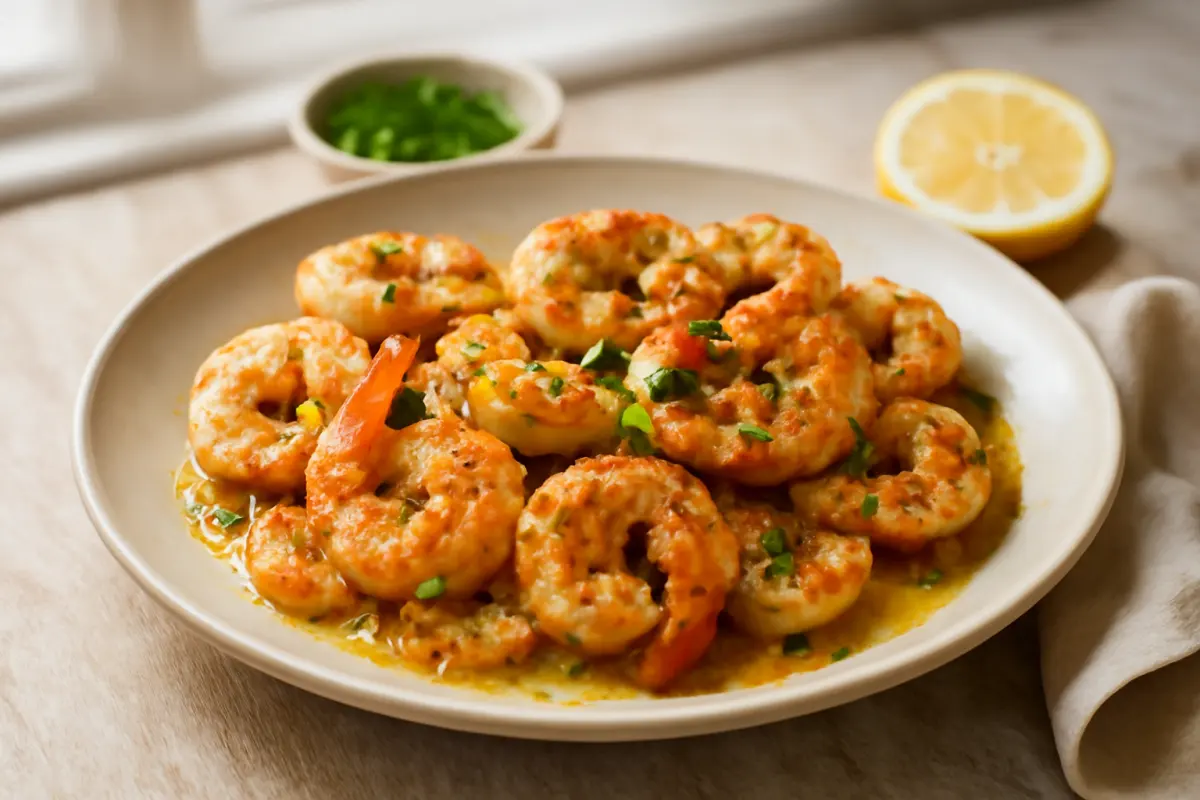
This garlic butter shrimp recipe makes four servings in about 15 minutes. The shrimp cook in a skillet with butter, olive oil, fresh garlic, lemon juice, and parsley, creating a glossy sauce that is rich but bright.
For the best texture, dry the shrimp before seasoning and cook them in a single layer. They are ready when opaque throughout, pink at the edges, and curled into a loose C shape—not a tight O shape.
Ingredients
- 1 1/2 pounds large shrimp, peeled and deveined, tails on or off
- 1/2 teaspoon fine salt
- 1/4 teaspoon freshly ground black pepper
- 2 tablespoons olive oil
- 6 tablespoons unsalted butter, divided
- 5 garlic cloves, finely minced
- 1/4 teaspoon red pepper flakes, optional
- 2 tablespoons fresh lemon juice
- 2 tablespoons chopped fresh parsley
- 1 teaspoon finely grated lemon zest, optional
- Lemon wedges, for serving
How to make it
Prepare the shrimp. Pat the shrimp dry with paper towels. Toss them with the salt and black pepper. Dry shrimp sear more readily and are less likely to release excess water into the sauce.
Heat the skillet. Place a large skillet over medium-high heat and add the olive oil. When the oil looks glossy and moves easily across the pan, add the shrimp in a single layer. Work in two batches if the skillet is crowded.
Cook the first side. Cook the shrimp for 1 1/2 to 2 minutes, without moving them much, until the undersides are pink and lightly browned. Turn them with tongs.
Finish the shrimp. Cook the second side for 1 to 2 minutes. The shrimp are done when the centers are opaque, the flesh feels firm but springy, and each shrimp has curled into a loose C. Transfer them to a plate immediately; a tight curl and rubbery texture usually mean they have cooked too long.
Make the garlic butter. Reduce the heat to medium. Add 4 tablespoons of the butter to the skillet. Once it melts, add the minced garlic and red pepper flakes, if using. Stir for 30 to 45 seconds, just until the garlic smells fragrant and looks pale golden. Do not let it turn dark brown, which can make the sauce bitter.
Build the sauce. Add the lemon juice and scrape the browned bits from the bottom of the skillet. Simmer for about 30 seconds, then turn off the heat. Whisk in the remaining 2 tablespoons of butter until the sauce looks smooth and glossy.
Return the shrimp. Add the shrimp and any juices from the plate back to the skillet. Toss for 30 seconds to coat them in the sauce. Stir in the parsley and lemon zest, if using. Taste and add another pinch of salt or a squeeze of lemon if needed.
Serve immediately. Spoon the shrimp and garlic butter sauce over rice, pasta, mashed potatoes, or toasted bread. Add lemon wedges at the table.
Expert tips
- Choose the right size: Large shrimp, usually labeled 21–25 per pound, are easier to cook without drying out. Smaller shrimp will need less time.
- Frozen shrimp work well: Thaw them overnight in the refrigerator, or place them in a sealed bag in cold water until pliable. Drain and pat them very dry before cooking.
- Use a wide skillet: A 12-inch skillet gives the shrimp enough room to sear instead of steam. If the pan is crowded, cook in batches.
- Keep garlic gentle: Garlic only needs less than a minute in the hot butter. If it starts browning rapidly, lower the heat and continue stirring.
- Adjust the sauce: If the pan looks dry after adding the lemon juice, stir in 1 tablespoon of water. If the sauce tastes too rich, add more lemon juice; if it tastes sharp, whisk in a little more butter.
- For dairy-free shrimp: Replace the butter with a dairy-free butter substitute, or use 5 tablespoons of olive oil. The sauce will be lighter and less creamy but still flavorful.
- For a milder version: Leave out the red pepper flakes. For more heat, add up to 1/2 teaspoon, or finish with a pinch of cayenne.
Serving and storage
Serve the shrimp as soon as they are coated in the sauce. Rice, crusty bread, pasta, couscous, or steamed vegetables all work well for catching the garlic butter. A simple green salad can balance the richness of the dish.
Refrigerate leftovers in a covered container within 2 hours of cooking and use them within 2 days. Reheat gently in a skillet over low heat with a splash of water, stirring just until warmed through. Avoid prolonged high heat, which can make the shrimp tough. Do not leave cooked shrimp at room temperature for extended periods.
Frequently asked questions
Can I use frozen shrimp for this recipe?
Yes. Thaw frozen shrimp in the refrigerator overnight or in a sealed bag submerged in cold water. Drain and pat them very dry before seasoning so they brown instead of steaming.
How do I know when garlic butter shrimp are done?
The shrimp should be opaque in the center, pink at the edges, firm but springy, and curled into a loose C shape. Remove them from the heat as soon as they reach this stage because carryover cooking continues briefly.
Why did my shrimp turn rubbery?
They were probably cooked too long or in a crowded pan. Use medium-high heat, cook them in a single layer, and remove them as soon as they are opaque throughout.
Can I make the garlic butter sauce without lemon?
Yes, although lemon keeps the butter sauce from tasting heavy. Replace it with 1 tablespoon of white wine or 1 teaspoon of mild vinegar, adding more only if needed.
Can I prepare garlic butter shrimp ahead of time?
This dish is best cooked just before serving because shrimp lose tenderness when reheated repeatedly. You can peel the shrimp, mince the garlic, chop the parsley, and measure the other ingredients ahead of time.