Recipes
Homemade Pizza Dough Recipe
This homemade pizza dough makes two crisp-edged, chewy pizza crusts with a tender center. Mix it by hand, let it rise, and bake it hot for excellent results in a home oven.
Overview
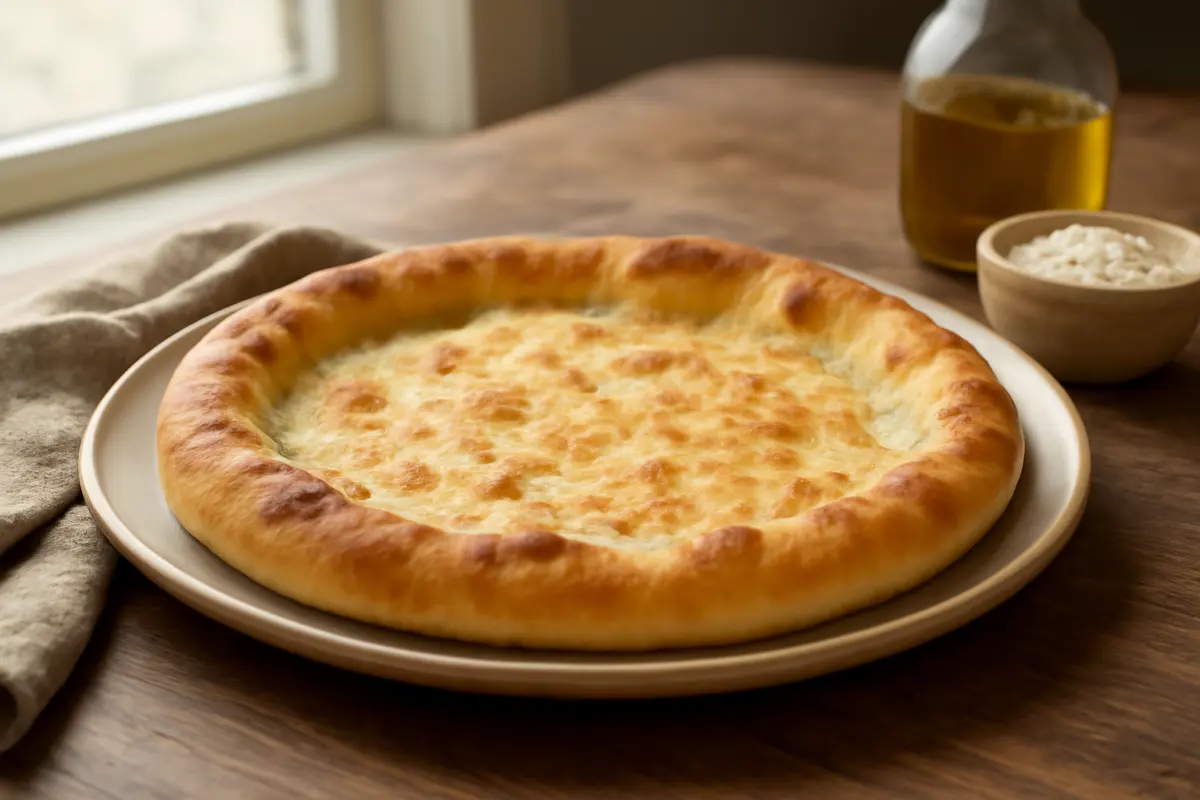
This homemade pizza dough recipe makes enough for two 12-inch pizzas. The dough is mixed by hand with straightforward ingredients, then rested until puffy and relaxed enough to stretch without springing back.
For the best crust, use a very hot oven and preheat your baking surface thoroughly. The finished dough should bake with lightly blistered edges, a chewy middle, and a bottom that is browned rather than pale or soft.
Ingredients
- 500 grams (about 4 cups) unbleached all-purpose or bread flour, plus extra for handling
- 325 grams (1 ⅓ cups plus 1 tablespoon) lukewarm water, about 100–110°F (38–43°C)
- 3 grams (about 1 teaspoon) instant yeast
- 10 grams (1 ¾ teaspoons) fine salt
- 15 grams (1 tablespoon) olive oil, plus more for the bowl
- Cornmeal or semolina, for dusting the peel or baking sheet
- Pizza sauce and toppings, as needed
How to make it
Mix the dough. Combine the lukewarm water, yeast, and olive oil in a large bowl. Add the flour and salt. Stir with a sturdy spoon or your hand until no dry flour remains and a rough, shaggy dough forms. If the dough feels very dry, add water 1 teaspoon at a time. If it is unusually wet and soupy, work in flour 1 tablespoon at a time.
Knead until smooth. Turn the dough onto a lightly floured work surface. Knead for 6–8 minutes, folding the dough over itself and pushing it away with the heel of your hand. At first it may feel sticky, but it should become smooth, elastic, and only slightly tacky. When ready, a pressed fingertip should leave a shallow mark that slowly springs back.
Let the dough rise. Lightly oil the bowl and return the dough to it, turning once to coat. Cover with a lid, plate, or reusable wrap. Leave it at room temperature for 1½–2 hours, until it has expanded noticeably and looks puffy. It does not need to double exactly.
Choose a same-day or overnight rise. For a deeper flavor and more relaxed dough, refrigerate the covered dough for 12–48 hours after the initial rise. Let it sit at room temperature for 1½–2 hours before shaping so it is no longer cold and tight. If baking the same day, continue once the first rise is complete.
Divide and shape. Scrape the dough onto a lightly floured surface and divide it into two equal pieces, about 425 grams each. Shape each piece into a smooth ball by tucking the edges underneath and gently rotating it against the work surface. Place the balls on a lightly oiled tray, leaving room between them. Cover and rest for 30–45 minutes.
Preheat the oven thoroughly. Place a pizza stone or steel on a rack in the upper or middle third of the oven. If using a baking sheet, place it upside down so the dough can slide onto its flat surface. Preheat the oven to its highest setting, usually 475–550°F (245–290°C), for at least 45 minutes. A fully heated stone or steel helps the bottom set quickly instead of becoming gummy.
Stretch one crust. Dust a pizza peel or sheet of parchment with cornmeal or semolina. Set one dough ball on a lightly floured surface and press it gently from the center outward, leaving a 1-inch rim untouched. Lift the dough and stretch it over the backs of your hands, turning as you go, until it is about 12 inches wide. Avoid using a rolling pin, which presses out the gas that helps create a puffy edge.
Add toppings sparingly. Transfer the stretched dough to the prepared peel, or leave it on parchment if using a sheet. Add a thin layer of sauce and a modest amount of cheese and toppings. Too much topping adds weight and moisture, making it harder for the center to bake through. Work quickly so the dough does not stick to the peel.
Bake the pizza. Slide the pizza onto the hot stone or steel. Bake for 7–12 minutes, depending on your oven temperature and baking surface, until the rim is puffed and browned, the cheese is bubbling, and the underside has firm brown spots. If the top needs more color, move the pizza briefly under the broiler, watching it constantly.
Finish and repeat. Transfer the pizza to a cutting board and cool for 1–2 minutes before slicing. Repeat with the second dough ball. If the dough resists stretching, cover it and let it rest for another 15–20 minutes before trying again.
Expert tips
- For a crispier bottom: Use a preheated steel or stone, keep the toppings light, and bake the pizza directly on the hot surface rather than on a cool pan.
- For a softer, chewier crust: Use bread flour and allow the dough to rise slowly in the refrigerator for up to 48 hours.
- If the dough keeps shrinking: It is too cold or the gluten is tense. Rest it covered for 15–20 minutes, then stretch it again.
- If the dough tears: It may have been stretched too thin or not developed enough during kneading. Gather it gently, rest it for 10 minutes, and handle it more slowly.
- If the crust is pale and soft: Preheat longer, check that the oven is reaching its set temperature, and use less sauce and cheese.
- If the dough is sticky: Lightly flour your hands and work surface, but avoid adding large amounts of flour, which can make the crust dense. Oil on your hands can also make handling easier.
- If the dough will not rise: Check that the yeast is not expired and that the water was lukewarm rather than hot. Very hot water can damage yeast.
Serving and storage
Serve the pizza after a brief rest so the cheese settles and the crust is easier to cut. Refrigerate leftover baked pizza in an airtight container for up to 3–4 days. Reheat it in a hot skillet, oven, or toaster oven until the crust is crisp and the center is hot.
Unbaked dough can be refrigerated in a covered, lightly oiled container for up to 48 hours. For longer storage, freeze individual dough balls in sealed freezer bags for up to 3 months. Thaw overnight in the refrigerator, then let the dough sit covered at room temperature for 1½–2 hours before shaping.
Frequently asked questions
Can I make pizza dough without a stand mixer?
Yes. This recipe is designed to be mixed and kneaded by hand. Stir until no dry flour remains, then knead on a lightly floured surface for 6–8 minutes until the dough is smooth and elastic.
Can I use active dry yeast instead of instant yeast?
Yes. Use the same quantity, about 1 teaspoon or 3 grams. Stir it into the lukewarm water and wait 5–10 minutes; it should become slightly foamy before you add the flour and salt.
Why is my pizza dough tough?
Too much added flour, insufficient resting, or overbaking can make pizza dough tough. Keep the dough slightly tacky, allow it to rest until relaxed, and bake it quickly in a fully heated oven.
Can pizza dough rise overnight?
Yes. After the initial room-temperature rise, cover the dough and refrigerate it for 12–48 hours. Let it warm at room temperature for 1½–2 hours before dividing or stretching.
What can I use if I do not have a pizza stone?
Use a heavy baking sheet turned upside down, a cast-iron pan, or a preheated steel. The important details are a hot surface and a fully preheated oven.