Recipes
Honey Mustard Chicken Thighs Recipe
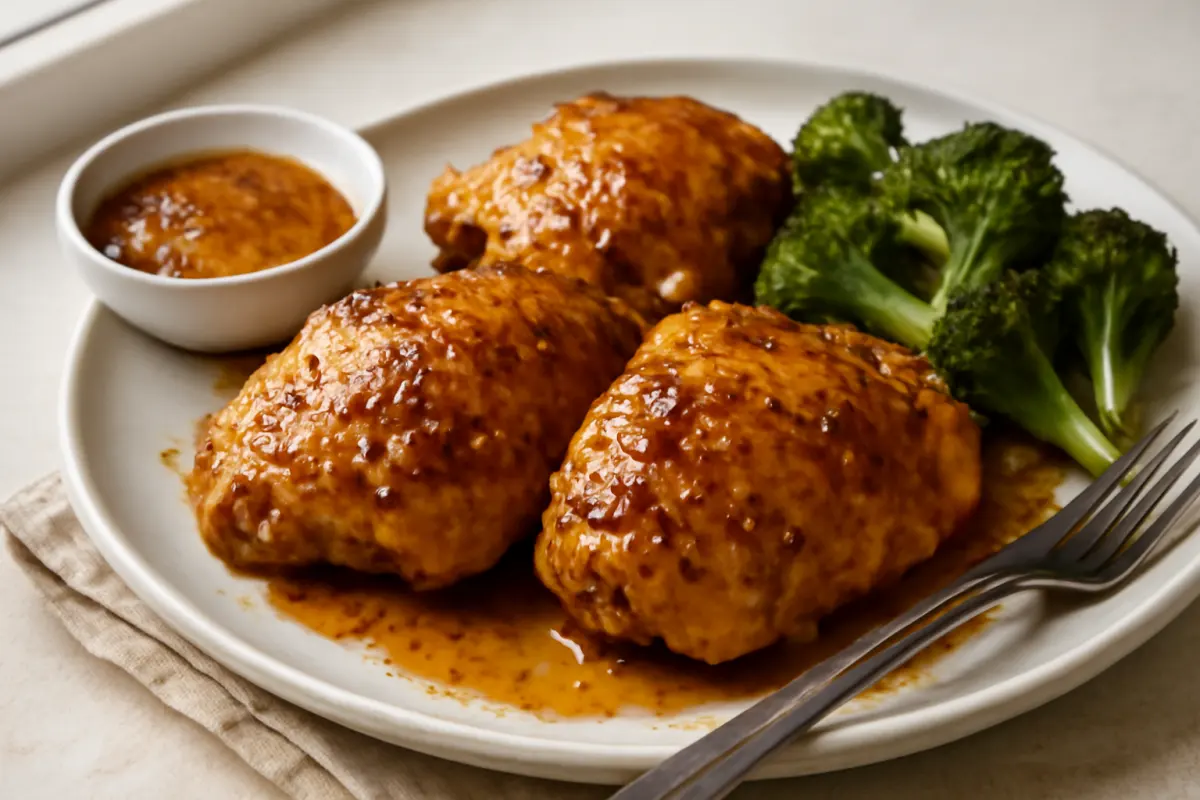
These honey mustard chicken thighs roast until juicy and golden, then finish with a glossy honey, Dijon, and garlic glaze. The sauce is sweet, tangy, and easy to make with pantry staples.
Overview
These honey mustard chicken thighs are roasted until the skin is browned and the meat is tender, then coated with a sweet-tangy glaze made from honey, Dijon mustard, garlic, and apple cider vinegar. Starting the chicken without the honey mixture helps the skin brown without scorching the glaze.
Use bone-in, skin-on thighs for the juiciest result and the crispest skin. The chicken is ready when the thickest part reaches at least 165°F, though thighs are especially tender around 175–185°F.
Ingredients
- 6 bone-in, skin-on chicken thighs, about 2 1/2 to 3 pounds total
- 1 teaspoon kosher salt
- 1/2 teaspoon freshly ground black pepper
- 1 tablespoon olive oil
- 1/3 cup Dijon mustard
- 1/4 cup honey
- 2 tablespoons apple cider vinegar
- 2 garlic cloves, finely grated or minced
- 1/2 teaspoon smoked paprika
- 1 tablespoon chopped fresh parsley, optional, for serving
How to make it
Heat the oven and prepare the chicken. Heat the oven to 425°F. Pat the chicken thighs very dry with paper towels; dry skin browns better. Trim away any loose excess skin or fat, then season both sides with the salt and pepper.
Mix the glaze. In a small bowl, whisk together the Dijon mustard, honey, apple cider vinegar, garlic, and smoked paprika. Set aside about 1/3 cup of the glaze for brushing onto the cooked chicken. Do not use the same portion for serving after it has touched raw chicken.
Start roasting. Arrange the thighs skin-side up in a 9-by-13-inch baking dish or on a rimmed sheet pan. Rub the olive oil over the skin. Roast for 25 minutes, until the skin is beginning to brown and the chicken has released some juices.
Add the glaze. Brush the remaining glaze generously over the chicken, covering the skin. Return the pan to the oven and roast for 10–15 minutes more. The glaze should look glossy and caramelized, and the thickest part of each thigh should register at least 165°F on an instant-read thermometer. For softer, more tender dark meat, continue cooking to about 175–185°F.
Rest and finish. Transfer the chicken to a plate and rest for 5 minutes. Brush with the reserved clean glaze, sprinkle with parsley if using, and serve warm. If the pan juices look thin, spoon them over the chicken; if they contain excess rendered fat, skim some off first.
Expert tips
- For skin that stays crisp: Keep the thighs skin-side up and avoid covering the pan. Patting the skin dry before seasoning makes a noticeable difference.
- If the glaze darkens too quickly: Lower the oven to 375°F and loosely tent the chicken with foil. Honey can caramelize quickly under high heat.
- Boneless substitution: Use 6 boneless, skinless thighs weighing about 2 pounds. Roast at 425°F for about 20–25 minutes, brushing with glaze during the final 8–10 minutes. Check the thickest piece for 165°F.
- No Dijon: Substitute whole-grain mustard for a slightly textured sauce, or use yellow mustard for a milder, simpler flavor. If using spicy mustard, reduce the amount to 1/4 cup if you prefer less heat.
- Uneven-sized thighs: Begin checking the smaller pieces first. Remove any thigh that reaches the target temperature while larger pieces continue cooking.
- Glaze too sharp: Whisk an extra 1 tablespoon of honey into the reserved glaze. If it is too sweet, add 1 teaspoon of vinegar or mustard.
Serving and storage
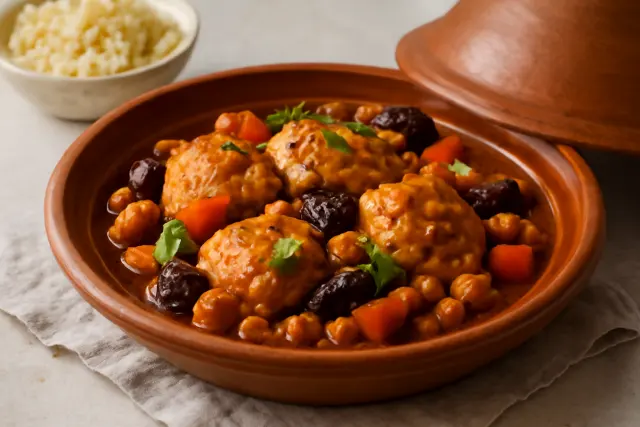
Serve the chicken with roasted potatoes, rice, steamed green beans, or a crisp salad to balance the rich glaze. The pan juices are especially good spooned over rice or couscous. For another tender chicken-thigh dinner with warm spices and a slow-simmered sauce, see this Moroccan chicken tagine recipe.
Refrigerate leftovers in a covered container within 2 hours of cooking and use them within 3–4 days. Reheat gently in a 350°F oven until hot throughout; cover loosely with foil so the chicken does not dry out, then uncover briefly to re-crisp the skin. Store unused glaze separately and refrigerate it for up to 3 days if it has not touched raw chicken.
Frequently asked questions
Can I make honey mustard chicken thighs with boneless chicken?
Yes. Use about 2 pounds of boneless, skinless thighs and begin checking them after 20 minutes at 425°F. Brush on the glaze during the final 8–10 minutes and cook until the thickest piece reaches 165°F.
How do I stop the honey mustard glaze from burning?
Roast the chicken for 25 minutes before adding the glaze, rather than coating it from the beginning. If the glaze still darkens too quickly, reduce the oven to 375°F and loosely cover the chicken with foil.
What temperature should chicken thighs reach?
Chicken thighs are safe at 165°F in the thickest part, away from the bone. Many people prefer thighs cooked to 175–185°F because the dark meat becomes more tender at that temperature.
Can I prepare the chicken ahead of time?
You can mix the glaze and season the chicken up to 24 hours ahead. Keep both refrigerated in separate covered containers, then let the chicken sit out only while the oven heats and cook it as directed.