Desserts
Lemon Ricotta Pancakes Recipe
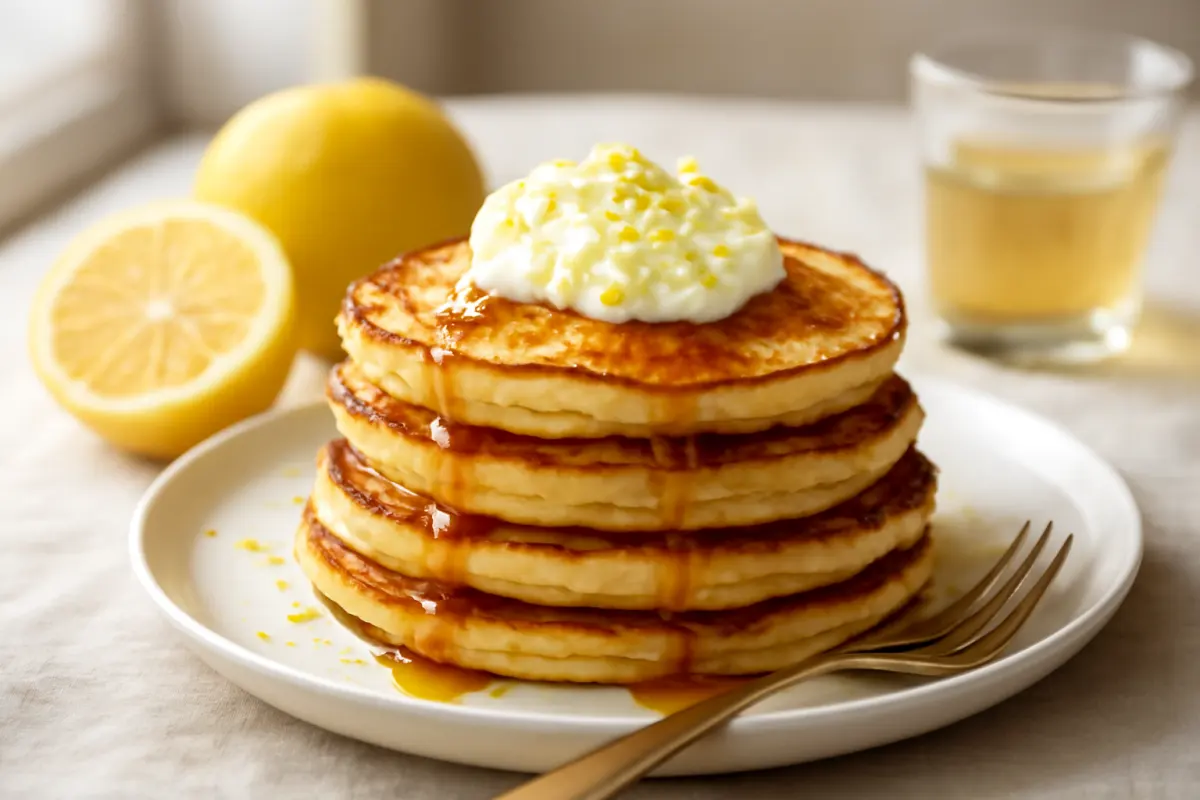
These lemon ricotta pancakes are soft and tender inside, lightly crisp at the edges, and full of fresh lemon flavor. Ricotta adds richness without making the pancakes heavy, while lemon zest gives the batter its brightest flavor.
Overview
These lemon ricotta pancakes are soft and tender inside, lightly crisp at the edges, and bright with fresh lemon zest. Ricotta gives the centers a creamy texture, while a little lemon juice adds just enough tang without making the batter sharp.
The batter is easy to mix by hand and works best when cooked over medium-low heat. Serve the pancakes warm with maple syrup, berries, powdered sugar, or a spoonful of extra ricotta.
Ingredients
- 1 1/2 cups (188 g) all-purpose flour
- 2 tablespoons granulated sugar
- 2 teaspoons baking powder
- 1/2 teaspoon baking soda
- 1/2 teaspoon fine salt
- 2 large eggs, lightly beaten
- 1 1/4 cups (285 g) whole-milk ricotta
- 3/4 cup (180 ml) milk
- 1/4 cup (57 g) unsalted butter, melted and cooled for 5 minutes, plus more for the pan
- Finely grated zest of 2 lemons, about 2 tablespoons
- 2 tablespoons fresh lemon juice
- 1 teaspoon vanilla extract
- Maple syrup, berries, or powdered sugar, for serving
How to make it
Prepare the dry ingredients. In a large bowl, whisk together the flour, sugar, baking powder, baking soda, and salt. Breaking up any small lumps now helps prevent overmixing later.
Mix the wet ingredients. In a second bowl, whisk the eggs, ricotta, milk, melted butter, lemon zest, lemon juice, and vanilla until mostly smooth. Small flecks or soft pockets of ricotta are fine; the mixture does not need to be perfectly uniform.
Combine the batter. Pour the ricotta mixture into the flour mixture. Stir gently with a spatula just until no dry flour remains. The batter should be thick and scoopable, with a few lumps. Do not keep stirring to make it smooth, or the pancakes can become dense.
Rest the batter. Leave the batter at room temperature for 5 minutes. It will thicken slightly as the flour hydrates. If it becomes so thick that it will not spread when scooped, stir in 1 tablespoon of milk at a time; ricotta varies in moisture, so you may need up to 2 tablespoons.
Heat the pan. Warm a large nonstick skillet or griddle over medium-low heat for about 3 minutes. Add a small amount of butter and spread it across the cooking surface. The butter should sizzle gently, not brown immediately. If it darkens within a few seconds, lower the heat.
Cook the first side. Scoop about 1/4 cup of batter for each pancake, leaving room between them. Gently spread each mound to about 4 inches wide if needed. Cook for 2 to 3 minutes, until the edges look set, the underside is golden, and bubbles rise and begin to pop across the surface.
Flip and finish. Turn each pancake with a thin spatula. Cook for another 1 to 2 minutes, until the second side is golden and the center springs back lightly when pressed. If the outside is browning before the center sets, reduce the heat and give the pancakes an extra minute.
Continue in batches. Transfer cooked pancakes to a plate or a wire rack. Add a little more butter to the pan as needed, and briefly stir the batter between batches if the ricotta settles. Keep the heat at medium-low so later batches do not color too quickly.
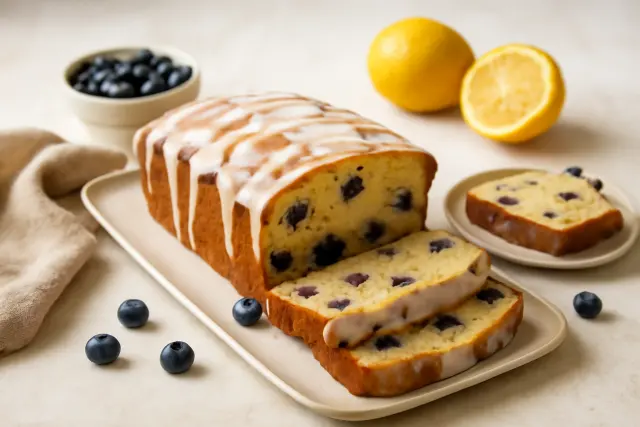
Serve warm. Stack the pancakes and top with maple syrup, berries, powdered sugar, or a little extra ricotta. For another lemon-forward bake to serve with brunch, see this lemon blueberry pound cake recipe.
Expert tips
- Use whole-milk ricotta for the most tender texture. If yours looks watery, drain it in a fine-mesh sieve for 10 to 15 minutes before measuring.
- Zest the lemons before squeezing them. The yellow outer peel contains the strongest lemon flavor; avoid grating deeply into the bitter white pith.
- Cook one small test pancake first. If it spreads too much, stir 1 tablespoon of flour into the batter. If it stays in a mound, loosen the batter with 1 tablespoon of milk.
- Avoid pressing down on the pancakes after flipping. This pushes out the steam that helps keep their centers light.
- For an even golden color, wipe out dark butter between batches and add fresh butter. Burnt milk solids can make later pancakes taste bitter.
Serving and storage
Serve the pancakes immediately for the softest centers and crispest edges. To hold a batch for up to 20 minutes, place it in a single layer on a wire rack set over a baking sheet in a 200°F (95°C) oven. Stacking them tightly can trap steam and soften the edges.
Cool leftover pancakes completely, then refrigerate them in an airtight container for up to 3 days. Reheat them in a toaster, toaster oven, or dry skillet until warmed through. You can also freeze cooled pancakes in a single layer, then transfer them to a freezer bag for up to 2 months. Reheat from frozen in a toaster or toaster oven; discard leftovers that have been left at room temperature for more than 2 hours.
Frequently asked questions
Can I make lemon ricotta pancakes with low-fat ricotta?
Yes. Low-fat ricotta works, but the pancakes may be slightly less rich and tender. If the ricotta is very wet, drain it briefly first so the batter does not become too loose.
Why are my ricotta pancakes dense?
The most common causes are overmixing, expired leaveners, or cooking over heat that is too high. Stir only until the flour disappears, use fresh baking powder and baking soda, and cook over medium-low heat so the centers have time to set.
Can I substitute yogurt for ricotta?
Plain Greek yogurt can replace the ricotta by weight, although the pancakes will be tangier and slightly less creamy. Start with 1 1/4 cups yogurt and add milk gradually if the batter is too thick.
How do I know when to flip the pancakes?
Flip when the edges look set, the underside is golden, and bubbles have risen across the top and begun to pop. If the top is still shiny and liquid, wait another 20 to 30 seconds.
Can I make the batter ahead of time?
For the best lift, cook the batter soon after mixing. You can measure the dry ingredients and combine the wet ingredients separately up to 1 day ahead, refrigerate the wet mixture, and combine them just before cooking.