Recipes
Pad Thai Recipe
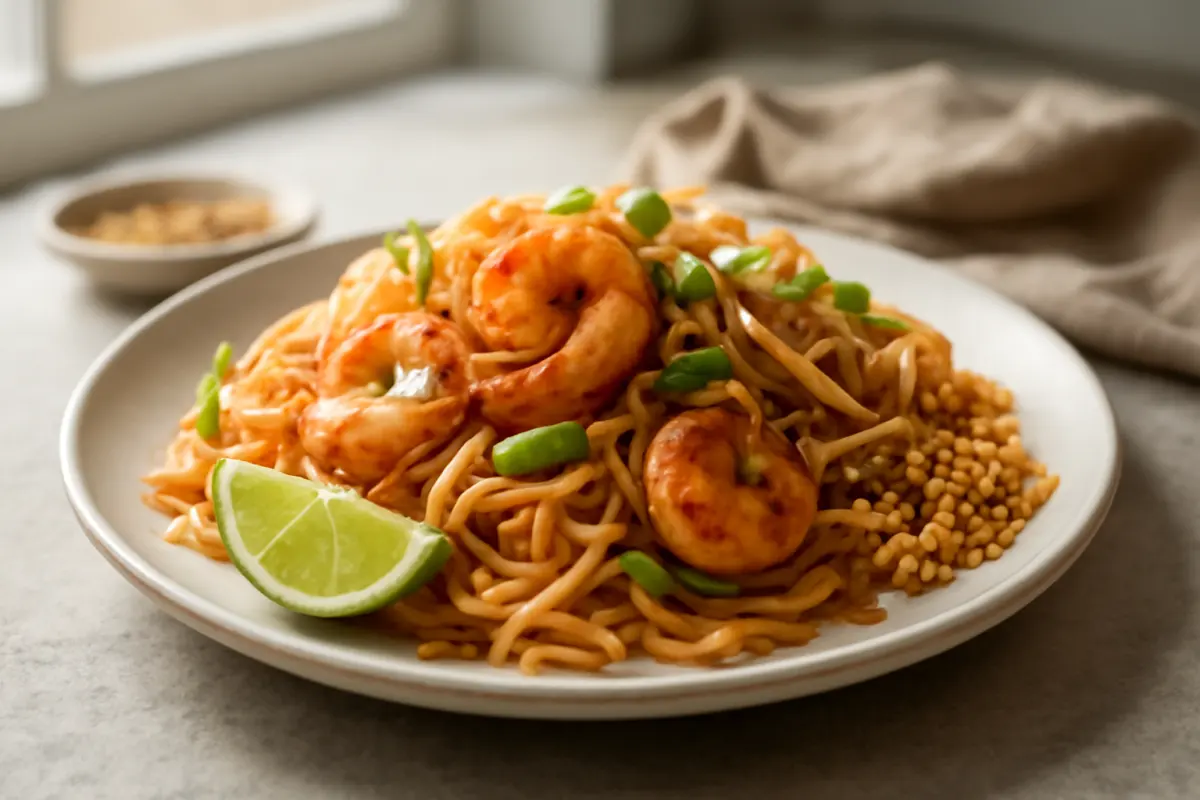
This pad Thai recipe makes four servings of chewy rice noodles tossed with shrimp, egg, crisp bean sprouts, peanuts, and a sweet-sour tamarind sauce. Prepare every ingredient before cooking because the stir-fry comes together quickly.
Overview
This pad Thai recipe makes four servings of chewy rice noodles coated in a balanced tamarind sauce with shrimp, egg, garlic, bean sprouts, and crushed peanuts. The noodles are soaked until pliable, then finished in a very hot wok so they absorb the sauce without becoming mushy.
Prepare the sauce and all of the stir-fry ingredients before turning on the heat. Pad Thai cooks in batches if your wok is small; overcrowding traps steam and makes the noodles soft instead of lightly charred and springy.
Ingredients
- 225 g dried flat rice noodles, about 3–5 mm wide
- 3 tablespoons tamarind concentrate
- 3 tablespoons fish sauce
- 2 tablespoons light brown sugar or finely grated palm sugar
- 1 tablespoon low-sodium soy sauce
- 2 tablespoons water
- 2 tablespoons neutral oil, divided
- 3 garlic cloves, finely chopped
- 2 shallots, thinly sliced
- 450 g raw medium shrimp, peeled and deveined
- 2 large eggs, lightly beaten
- 120 g fresh bean sprouts, plus extra for serving
- 30 g garlic chives or thinly sliced scallions, cut into 4 cm pieces
- 60 g roasted unsalted peanuts, roughly crushed
- 1 lime, cut into wedges
- 1/4 teaspoon crushed red pepper flakes, optional
How to make it
Put the rice noodles in a large bowl and cover them with room-temperature water. Soak for 30–45 minutes, until the noodles bend easily but still feel firm in the center. They should not be fully soft. Drain thoroughly. If your noodles are very thin, begin checking after 20 minutes.
While the noodles soak, stir the tamarind concentrate, fish sauce, brown sugar or palm sugar, soy sauce, and water together in a small bowl. Taste a drop: it should be distinctly tangy, salty, and sweet. If your tamarind concentrate is very sharp, add 1 teaspoon more sugar; if it is mild and sweetened, use slightly less sugar.
Arrange the garlic, shallots, shrimp, beaten eggs, bean sprouts, chives, sauce, and drained noodles beside the stove. Once cooking starts, the ingredients need to go into the pan quickly.
Heat a large wok or wide skillet over high heat until a drop of water evaporates immediately. Add 1 tablespoon of the oil, swirl, and add the shrimp in a single layer. Stir-fry for 1–2 minutes per side, until they turn opaque and curl into a loose C shape. Transfer them to a plate; they will finish cooking later.
Add the remaining 1 tablespoon oil. Stir-fry the garlic and shallots for about 30 seconds, just until fragrant and lightly golden. Add the drained noodles and pour the sauce around the edge of the wok. Toss continuously for 2–3 minutes. The noodles should absorb most of the sauce and become flexible, with no pool of liquid at the bottom.
Push the noodles to one side of the wok. Pour the beaten eggs into the empty space and leave them undisturbed for about 20 seconds, until the edges begin to set. Scramble them into large soft pieces, then toss them through the noodles.
Return the shrimp to the wok and add the bean sprouts, chives, and optional red pepper flakes. Toss for 1–2 minutes, until the sprouts are just wilted but still crisp, the chives are bright green, and the shrimp are fully opaque in the center. If the noodles look dry before they are tender, add 1 tablespoon water at a time and toss; do not add a large amount at once.
Divide the pad Thai among four bowls. Top with crushed peanuts and serve immediately with lime wedges and extra bean sprouts. Squeeze lime over each portion just before eating.
Expert tips
- For chicken, tofu, or a vegetarian version: Replace the shrimp with 450 g thinly sliced boneless chicken or 300 g extra-firm tofu cut into 2 cm cubes. For vegetarian pad Thai, replace the fish sauce with vegetarian mushroom sauce or additional soy sauce, adding it gradually because the saltiness varies by brand.
- Keep the noodles springy: Undersoak them slightly rather than fully softening them in water. They finish cooking in the wok and should still have a little resistance when drained.
- Use tamarind concentrate carefully: Different brands vary substantially in strength and sweetness. Taste the mixed sauce before cooking and adjust with small amounts of sugar or water.
- If the wok is small: Stir-fry the shrimp in two batches, then cook the noodles and finish everything together. A crowded pan will steam the ingredients.
- If the noodles clump: Add 1 tablespoon water and lift them with tongs or two spatulas. Avoid stirring aggressively, which can break softened noodles.
- If the finished dish is too salty: Toss in a handful of unsalted bean sprouts and a squeeze of lime. If it tastes too sour, add a small pinch of sugar; if it tastes flat, add lime and a little fish sauce at the table.
Serving and storage
Serve pad Thai immediately while the noodles are glossy and the bean sprouts are still crisp. Set out extra crushed peanuts, lime, bean sprouts, and red pepper flakes so each person can adjust the texture and heat.
Cool leftovers promptly in a shallow container and refrigerate within 2 hours. Store for up to 3 days. Reheat one portion in a skillet over medium heat with 1–2 teaspoons of water, tossing until steaming hot throughout. The noodles will be softer after refrigeration, so freshly cooked pad Thai has the best texture.
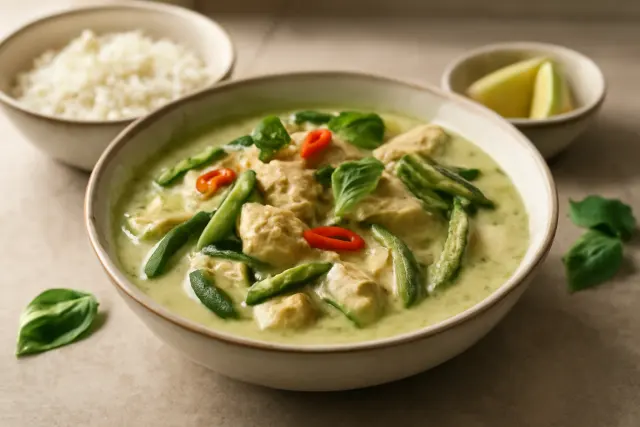
For another Thai dinner idea, see this Thai green curry recipe.
Frequently asked questions
Can I make pad Thai without a wok?
Yes. Use the widest skillet you have and heat it thoroughly before adding the ingredients. Cook the shrimp in batches if necessary, and avoid overcrowding so the noodles stir-fry instead of steam.
Why did my pad Thai noodles turn mushy?
The noodles were probably soaked too long, cooked in a crowded pan, or left sitting in excess sauce. Soak until pliable but firm, drain them well, and add the sauce while tossing over high heat.
What can I use instead of tamarind concentrate?
Tamarind concentrate gives the most characteristic flavor. In a pinch, use 1 tablespoon lime juice plus 1 tablespoon rice vinegar for the 3 tablespoons of concentrate, then taste and adjust the sugar because the substitute will be sharper.
Can I prepare pad Thai in advance?
Prepare the sauce, soak and drain the noodles, and cut the vegetables ahead of time, but stir-fry the dish just before serving. The cooked noodles lose their best texture as they sit.