Recipes
Pav Bhaji Recipe
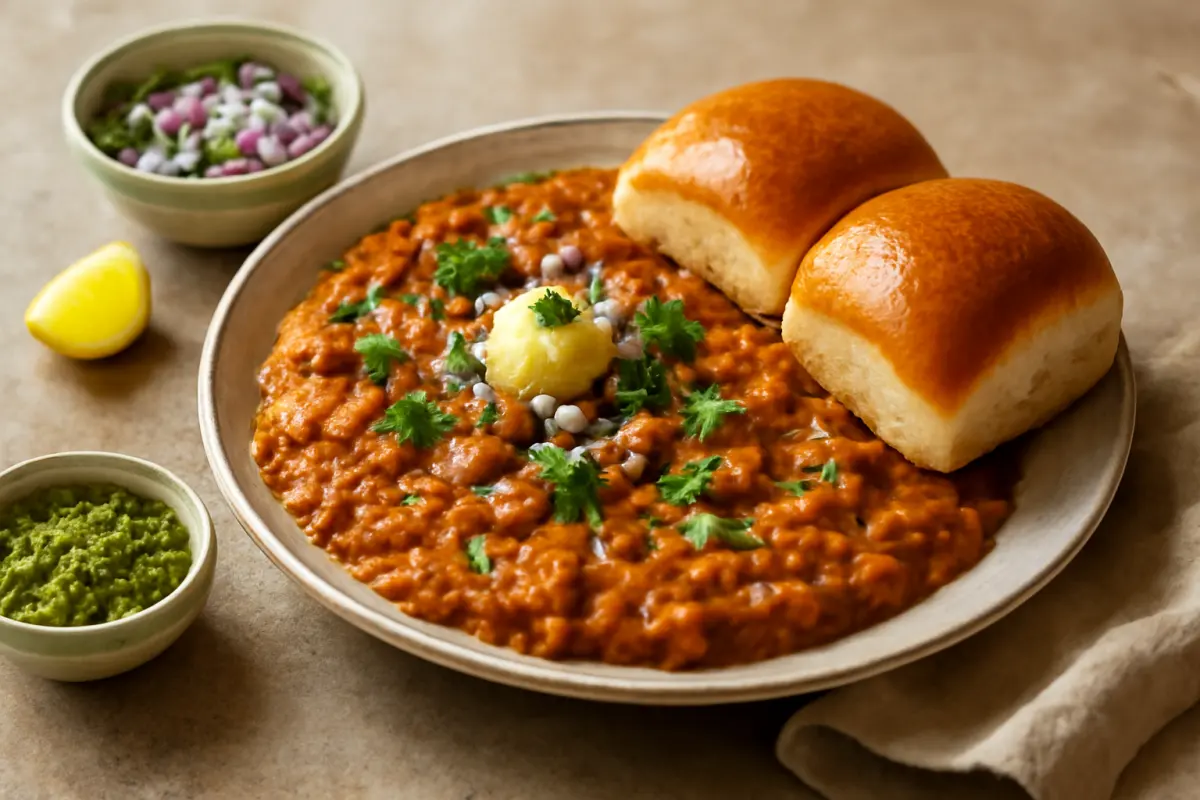
This pav bhaji recipe makes a richly spiced, buttery vegetable mash served with crisp-edged toasted pav. Potatoes, cauliflower, peas, and bell pepper cook together until soft, then are mashed into a smooth, scoopable bhaji.
Overview
Pav bhaji is a soft, highly seasoned vegetable curry served with butter-toasted pav, or small bread rolls. The vegetables are cooked until completely tender, mashed into a thick bhaji, and finished with butter, lemon, coriander, and finely chopped onion.
This version makes four generous servings. It uses potatoes for body, cauliflower and peas for texture and sweetness, and bell pepper for a savory aroma. Mash the vegetables as smooth as you like, but leave a few small pieces if you prefer a more textured bhaji.
Ingredients
- 500 g potatoes, peeled and cut into 2.5 cm chunks
- 250 g cauliflower florets, cut into small pieces
- 150 g frozen green peas
- 1 medium green bell pepper, finely chopped, about 150 g
- 2 tablespoons neutral oil, divided
- 3 tablespoons unsalted butter, divided, plus more for serving
- 1 medium yellow onion, finely chopped, about 180 g
- 2 teaspoons grated fresh ginger
- 4 garlic cloves, finely grated or minced
- 2 medium tomatoes, finely chopped, about 300 g
- 2 tablespoons tomato paste
- 2 to 3 tablespoons pav bhaji masala, to taste
- 1 teaspoon Kashmiri chili powder or mild paprika
- 1/2 teaspoon ground turmeric
- 1 teaspoon fine salt, plus more as needed
- 240 ml water, plus extra as needed
- 1 tablespoon fresh lemon juice, plus lemon wedges for serving
- 3 tablespoons finely chopped fresh coriander
- 8 pav or small soft bread rolls
- 1 small red onion, finely chopped, for serving
How to make it
Cook the vegetables. Put the potatoes, cauliflower, and peas in a large saucepan. Add 720 ml water and 1/2 teaspoon of the salt. Bring to a boil over medium-high heat, then reduce the heat to medium, cover, and cook for 15 to 18 minutes. The vegetables are ready when a fork slides through the potato and cauliflower without resistance. Drain, reserving 240 ml of the cooking water.
Start the masala base. Heat 1 tablespoon oil and 1 tablespoon butter in a wide, heavy skillet over medium heat. Add the chopped yellow onion and cook for 7 to 9 minutes, stirring occasionally, until soft and lightly golden at the edges. If the onion begins to darken before softening, reduce the heat.
Add the aromatics and pepper. Stir in the ginger and garlic and cook for 1 minute, just until fragrant. Add the green bell pepper and cook for 4 to 5 minutes. It should soften and lose its raw smell but does not need to brown heavily.
Cook the tomatoes and spices. Add the tomatoes, tomato paste, pav bhaji masala, chili powder, turmeric, and remaining 1/2 teaspoon salt. Cook for 8 to 10 minutes, stirring often, until the tomatoes collapse and the mixture looks thick and glossy. Scrape the base of the skillet if the tomato mixture starts sticking.
Combine and mash. Add the cooked potatoes, cauliflower, and peas to the skillet along with 180 ml of the reserved cooking water. Mash firmly with a potato masher, pressing the vegetables into the tomato mixture. Continue mashing until the bhaji is mostly smooth, with only small pieces remaining. Add the remaining 60 ml cooking water if it looks dry or difficult to stir.
Simmer the bhaji. Reduce the heat to low and simmer uncovered for 10 to 12 minutes, stirring every minute or two. The finished bhaji should be thick enough to mound briefly on a spoon but loose enough to spread over pav. If it is watery, simmer for a few extra minutes; if it becomes stiff, stir in water 1 tablespoon at a time.
Finish the flavor. Stir in 1 tablespoon butter, the lemon juice, and 2 tablespoons chopped coriander. Taste and adjust the salt, pav bhaji masala, or lemon juice. The bhaji should taste savory and warmly spiced, with enough acidity to keep the butter and vegetables from tasting heavy.
Toast the pav. Wipe out the skillet if needed, then heat it over medium heat. Add the remaining 1 tablespoon oil and 1 tablespoon butter. Slice each pav horizontally without cutting all the way through, place the cut sides down, and toast for 1 to 2 minutes. Turn and toast the outside briefly if you like. The cut sides should be golden in spots and absorb some of the seasoned butter while the rolls remain soft inside.
Serve. Spoon the hot bhaji into shallow bowls and top with the remaining coriander, chopped red onion, and a small pat of butter if desired. Serve immediately with the toasted pav and lemon wedges.
Expert tips
- Use small vegetable pieces. They cook at the same rate and mash more easily. Large potato chunks can remain firm while the cauliflower becomes overly soft.
- Do not rush the tomato base. The mixture should lose its raw tomato smell and become glossy before you add the cooked vegetables. This gives the bhaji a fuller flavor.
- Control the texture with water. Add reserved cooking water gradually. It is easier to loosen a thick bhaji than to correct one that has become too thin.
- Adjust the spice carefully. Pav bhaji masala brands vary in heat and salt. Start with 2 tablespoons, then add more after the vegetables have simmered.
- No pav? Use soft burger buns, dinner rolls, or thick slices of white bread. Toast them in butter in the same way.
- For a vegan version, replace the butter with vegan butter or use additional oil. The bhaji will still work, though butter gives the classic rich finish.
- For a smoother bhaji, mash for another 2 to 3 minutes while it simmers. A few quick pulses with an immersion blender also work, but avoid blending until completely liquid.
Serving and storage
Serve pav bhaji hot, with the toasted pav and toppings added just before eating. Keep the bread separate from the bhaji so it does not become soggy.
Cool leftover bhaji promptly, transfer it to a covered container, and refrigerate within 2 hours. Use it within 3 to 4 days. Reheat it in a saucepan over medium-low heat, stirring frequently and adding a splash of water if it has thickened. Reheat only the portion you plan to serve. Toast fresh pav just before eating.
The bhaji can also be frozen in airtight portions for up to 2 months. Thaw it in the refrigerator, then reheat gently until steaming hot throughout. The texture may be slightly softer after freezing, so mash it again and adjust with a little water, salt, and lemon juice if needed.
Frequently asked questions
Can I make pav bhaji without cauliflower?
Yes. Replace the 250 g cauliflower with an equal amount of extra potato, carrots, zucchini, or a mixture of those vegetables. Cook until everything is very tender before mashing.
Why is my pav bhaji watery?
Simmer it uncovered over low to medium-low heat for a few extra minutes, stirring often. Avoid adding more mashed potato immediately, since the bhaji will thicken as it cools slightly. Add extra pav bhaji masala or salt only after the texture is corrected.
How can I make pav bhaji less spicy?
Use 2 tablespoons pav bhaji masala, omit the chili powder, and add extra butter or a splash of water while it simmers. Taste at the end because the heat level depends on the masala blend.
Can I prepare the bhaji ahead of time?
Yes. Cook the bhaji up to 3 days ahead, cool it promptly, and refrigerate it in a covered container. Reheat gently with a little water, then add lemon juice, coriander, and butter just before serving for a fresher finish.
What is the best way to mash pav bhaji?
A sturdy potato masher gives the most control and leaves a little texture. Mash the vegetables directly in the skillet after combining them with the tomato base, adding reserved cooking water as needed.