Recipes
Ricotta Gnocchi Recipe
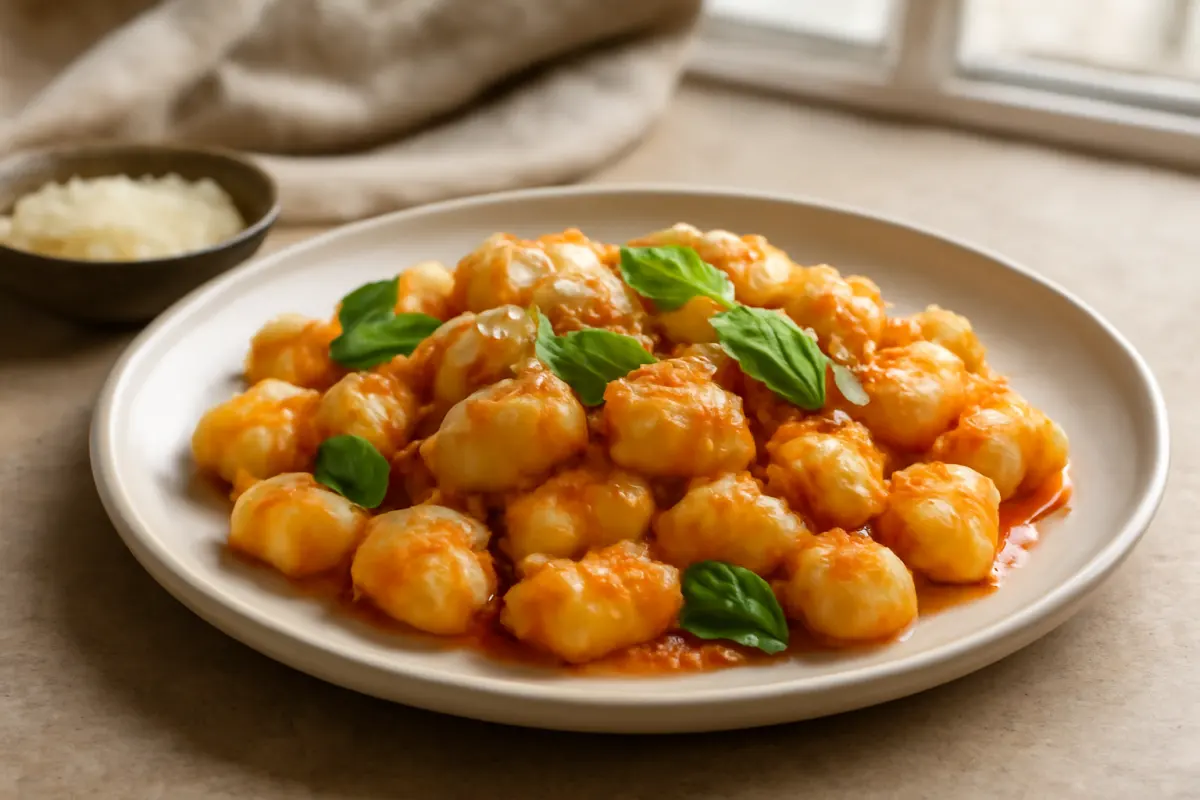
These ricotta gnocchi are soft, tender, and quicker to prepare than potato gnocchi. A short ingredient list and gentle cooking method produce pillowy dumplings ready for browned butter, tomato sauce, or pesto.
Overview
This ricotta gnocchi recipe makes soft, tender dumplings without boiling and mashing potatoes. The dough comes together with ricotta, Parmesan, egg, flour, salt, and nutmeg, then is rolled and cut into bite-size pieces.
The key is to use as little flour as the dough allows and handle it gently. The finished gnocchi should feel soft but workable, hold their shape in simmering water, and float when cooked through.
Ingredients
- 15 ounces (425 g) whole-milk ricotta
- 1 large egg
- 1/2 cup (45 g) finely grated Parmesan cheese, plus more for serving
- 1 teaspoon kosher salt
- 1/4 teaspoon freshly grated nutmeg, or 1/8 teaspoon ground nutmeg
- 1 1/4 cups (156 g) all-purpose flour, plus extra for the work surface and shaping
- 2 tablespoons unsalted butter, for serving, optional
- 8 fresh sage leaves, for serving, optional
- Freshly ground black pepper, to taste
How to make it
Drain the ricotta. Spoon the ricotta into a fine-mesh sieve set over a bowl. Let it drain for at least 30 minutes and up to 2 hours in the refrigerator. If the ricotta looks especially wet, press it gently with the back of a spoon. Drier ricotta makes a dough that needs less flour.
Mix the wet ingredients. In a large bowl, stir together the drained ricotta, egg, Parmesan, salt, and nutmeg until evenly combined. Do not beat the mixture vigorously; a gentle stir keeps the gnocchi light.
Add the flour. Stir in 1 cup of the flour until a shaggy dough forms. Turn the dough onto a lightly floured surface and knead it very briefly—about 30 seconds—just until it comes together. Add the remaining 1/4 cup flour a tablespoon at a time only if the dough is too sticky to roll. It should remain soft and slightly tacky, not stiff.
Test the dough. Bring a large pot of salted water to a gentle simmer. Pinch off a small piece of dough, about the size of a marble, and simmer it for 2 to 3 minutes. If it stays intact and tastes tender, the dough is ready. If it breaks apart, knead in 1 tablespoon more flour, then test again. Avoid adding a large amount of flour at once.
Roll and cut the gnocchi. Divide the dough into four portions. On a lightly floured surface, roll each portion into a rope about 3/4 inch (2 cm) thick. Use a lightly floured knife or bench scraper to cut the rope into pieces about 3/4 inch long. Leave the pieces as they are, or gently roll each one over the back of a fork to make shallow ridges. Keep the shaped gnocchi on a floured parchment-lined baking sheet in a single layer.
Cook the gnocchi. Bring the water to a steady simmer, not a vigorous boil. Cook the gnocchi in batches so the pot is not crowded. Stir once gently after adding them to prevent sticking. They will sink first, then rise to the surface after about 2 to 3 minutes. Once they float, cook for 30 to 60 seconds more; a cooked piece should feel tender and slightly springy when bitten. Lift the gnocchi out with a slotted spoon and transfer them to a warm bowl.
Finish and serve. For a simple sauce, melt the butter in a skillet over medium heat. Add the sage, if using, and cook for 1 to 2 minutes, until the butter smells nutty and the sage edges crisp. Add the drained gnocchi and toss gently for about 1 minute. Season with black pepper and serve with extra Parmesan. Tomato sauce, pesto, or olive oil with lemon zest also work well.
Expert tips
- Choose whole-milk ricotta: Part-skim ricotta is usually firmer and less creamy, while very wet ricotta can make the dough sticky. Draining is the most reliable way to control the texture.
- Do not overwork the dough: Kneading develops gluten and can make the gnocchi chewy. Mix only until the flour disappears.
- Keep the water at a simmer: Rapid boiling can break apart these delicate dumplings. Gentle bubbling is enough to cook them.
- Use a test gnocchi: This catches a loose dough before the whole batch goes into the pot. If it dissolves, add flour one tablespoon at a time.
- If the dough is sticky: Lightly flour your hands and work surface first. Add more flour only when necessary; too much produces dense gnocchi.
- If the gnocchi are dense: The dough probably contains too much flour or was kneaded too long. The next batch should use less flour and gentler handling.
- For make-ahead cooking: Freeze the shaped, uncooked gnocchi in a single layer until firm, then transfer them to a freezer bag or airtight container. Cook them directly from frozen, adding about 1 to 2 minutes to the cooking time. Do not thaw first.
Serving and storage
Serve ricotta gnocchi immediately after cooking while the centers are soft and the edges are warm. They pair well with browned butter and sage, a light tomato sauce, pesto, or sautéed vegetables.
Refrigerate cooked gnocchi in a shallow airtight container within 2 hours of cooking and use within 3 days. Toss them with a little oil before chilling to reduce sticking. Reheat gently in a skillet with a splash of water or sauce until hot throughout; vigorous boiling can make them break apart. For the best texture, freeze uncooked shaped gnocchi rather than storing the dough in the refrigerator.
Frequently asked questions
Why is my ricotta gnocchi dough too sticky?
The ricotta may contain excess moisture, or the dough may need a little more flour. First flour the work surface and your hands, then add flour one tablespoon at a time until the dough can be rolled. Draining the ricotta longer helps prevent the problem.
How do I know when ricotta gnocchi are done?
The gnocchi usually sink when first added to simmering water, then float after about 2 to 3 minutes. Cook them for another 30 to 60 seconds. A finished gnocchi should be tender and slightly springy rather than gummy in the center.
Can I make ricotta gnocchi ahead of time?
Yes. Shape the gnocchi, freeze them in a single layer until firm, and transfer them to an airtight freezer container or bag. Cook them straight from frozen, allowing roughly 1 to 2 extra minutes.
Can I use part-skim ricotta?
Yes, but the texture may be slightly less rich and the moisture level can vary. Drain it well and add the flour gradually so the dough does not become too dry.
Why did my gnocchi fall apart in the water?
The dough may be too wet, the water may be boiling too hard, or the test piece needed more flour. Stir 1 tablespoon of flour into the dough, test another piece, and cook the gnocchi at a gentle simmer.