Recipes
Shrimp and Grits Recipe
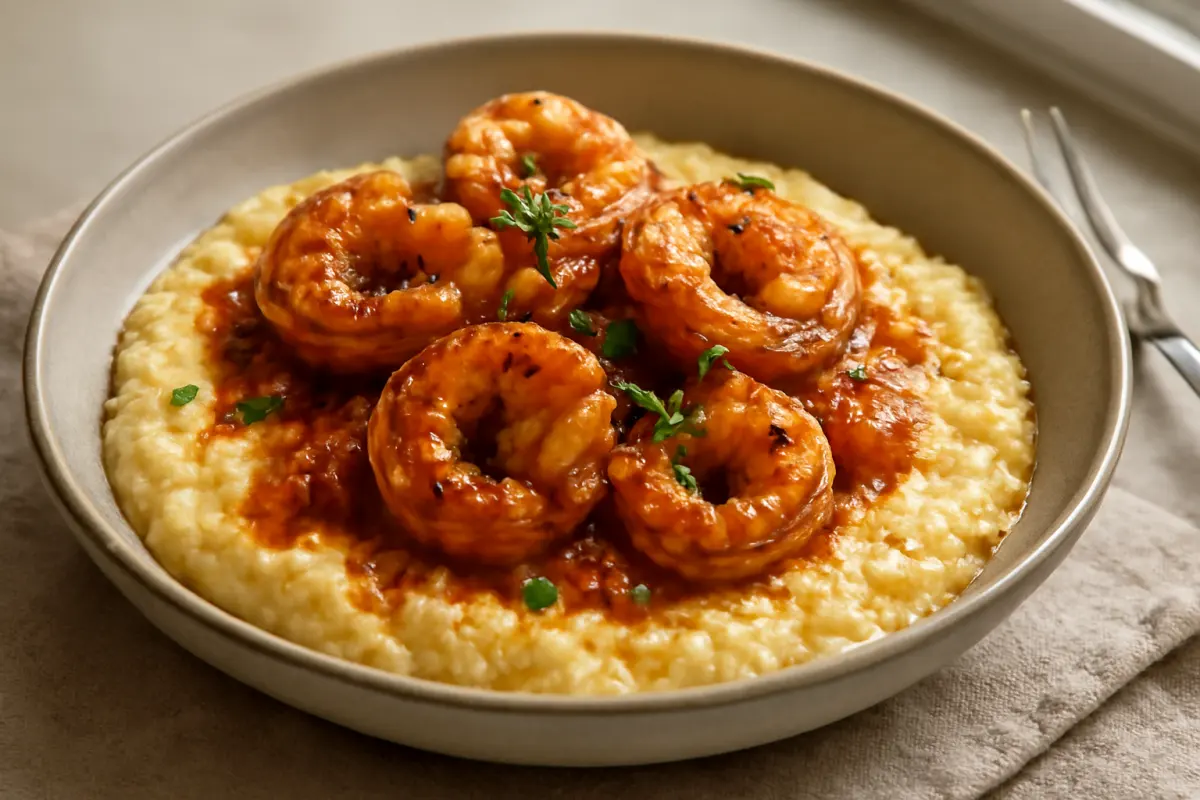
Creamy cheddar grits are topped with tender shrimp, crisp bacon, scallions, and a savory pan sauce for a comforting Southern-inspired dinner.
Overview
This shrimp and grits recipe pairs smooth, creamy cheddar grits with shrimp cooked in bacon fat, garlic, paprika, and a bright splash of lemon. The grits simmer while the toppings come together, so the whole meal is ready in about 45 minutes.
For the best texture, cook the shrimp just until they turn opaque and curl into a loose C shape. Keep the grits loose enough to spoon easily; they thicken quickly as they stand, but a little warm milk or water brings them back.
Ingredients
- 1 cup stone-ground or old-fashioned white grits, not instant
- 4 cups low-sodium chicken stock or water
- 1 cup whole milk
- 1 teaspoon kosher salt, plus more to taste
- 4 ounces sharp cheddar cheese, finely grated, about 1 cup
- 2 tablespoons unsalted butter, divided
- 5 ounces thick-cut bacon, diced
- 1 pound large shrimp, peeled and deveined, tails on or off
- 1/2 teaspoon smoked paprika
- 1/4 teaspoon freshly ground black pepper
- 1/4 teaspoon cayenne pepper, optional
- 3 garlic cloves, finely chopped
- 1/2 cup low-sodium chicken stock
- 1 tablespoon fresh lemon juice
- 2 scallions, thinly sliced
- 2 tablespoons chopped fresh parsley
How to make it
Start the grits. Combine the 4 cups stock or water, milk, and 1 teaspoon salt in a medium saucepan. Bring to a gentle simmer over medium heat, then slowly whisk in the grits so they do not clump. Reduce the heat to low, cover partially, and cook according to the package timing, usually 25 to 35 minutes for stone-ground grits. Stir every 5 minutes, scraping the bottom of the pan.
Check the grits for doneness. They are ready when they are thick and creamy, with no gritty crunch when tasted. If they become stiff before they are tender, add warm water or milk 2 tablespoons at a time. Remove the pan from the heat and stir in the cheddar and 1 tablespoon butter. Taste and add more salt if needed. Cover and keep warm over the lowest heat.
Cook the bacon. While the grits simmer, place the diced bacon in a large skillet over medium heat. Cook for 6 to 8 minutes, stirring occasionally, until browned and crisp. Transfer the bacon to a paper towel-lined plate, leaving about 2 tablespoons of fat in the skillet. Pour off excess fat if necessary.
Season the shrimp. Pat the shrimp dry with paper towels. Toss them with the smoked paprika, black pepper, and cayenne, if using. Dry shrimp sear more readily and will not dilute the seasoning in the pan.
Sear the shrimp. Heat the bacon fat over medium-high heat. Add the shrimp in a single layer; work in two batches if the skillet is crowded. Cook for 1 to 2 minutes on the first side, then turn and cook for 1 to 2 minutes more. The shrimp are done when the flesh is opaque throughout and they have curled into a loose C shape. Transfer them to a plate immediately so residual heat does not overcook them.
Make the pan sauce. Lower the heat to medium and add the remaining 1 tablespoon butter. Add the garlic and cook for about 30 seconds, just until fragrant and pale golden. Pour in the 1/2 cup stock and lemon juice, scraping up the browned bits from the skillet. Simmer for 2 to 3 minutes, until the liquid has reduced slightly. Return the bacon to the pan and stir.
Assemble and serve. Spoon the hot grits into shallow bowls. Top with the shrimp and spoon the bacon pan sauce over them. Finish with sliced scallions and parsley. Serve immediately while the grits are at their creamiest.
Expert tips
- Use the right grits: Stone-ground grits have the fullest texture but take longer. Old-fashioned grits work well; instant grits will not need the same cooking time or liquid ratio.
- Avoid rubbery shrimp: Start with dry shrimp and cook them in a single layer. Remove them as soon as the centers turn opaque; they should not form a tight O shape.
- Fix thick grits: Stir in warm milk, water, or stock a tablespoon at a time. Do not add cold liquid all at once, which can make the texture uneven.
- Control the salt: Bacon, stock, and cheddar all contribute salt. Taste the grits after adding the cheese and taste the sauce before adding any extra.
- Make it less spicy: Leave out the cayenne and use sweet paprika instead of smoked paprika. For more heat, add a pinch of red pepper flakes to the garlic.
- Substitute thoughtfully: Monterey Jack or pepper Jack can replace cheddar. Andouille sausage can replace the bacon, though the dish will be more heavily seasoned; brown it first and use a little olive oil if the skillet is dry.
Serving and storage
Serve shrimp and grits hot, with extra lemon wedges or sliced scallions if desired. The grits are best immediately, but leftovers can be refrigerated in a covered container for up to 2 days. Store the shrimp and grits separately when possible.
To reheat, warm the grits gently in a saucepan with a splash of milk or stock, stirring until smooth. Reheat the shrimp briefly in a skillet or microwave just until hot; prolonged heating can make them tough. Refrigerate leftovers within 2 hours of cooking, and discard any portion that has been left at room temperature longer than that.
Frequently asked questions
Can I use frozen shrimp for shrimp and grits?
Yes. Thaw the shrimp overnight in the refrigerator or place them in a sealed bag in cold water until pliable. Pat them very dry before seasoning and cooking so they sear instead of steaming.
Why are my grits lumpy?
Grits usually turn lumpy when they are added too quickly or are not whisked while the liquid is hot. Slowly sprinkle them into the simmering liquid while whisking, then stir regularly as they cook.
Can I make shrimp and grits ahead of time?
You can cook the grits and bacon a few hours ahead, but cook the shrimp shortly before serving. Reheat the grits gently with extra milk or stock, then make the shrimp and pan sauce fresh.
What can I use instead of bacon?
Use 1 tablespoon olive oil or butter to cook the shrimp, then add a little smoked paprika for depth. Sliced andouille sausage is another option, but reduce the added salt because the sausage is already seasoned.
How do I know when shrimp are fully cooked?
The shrimp should be opaque from edge to center, firm but springy, and curled into a loose C shape. If using an instant-read thermometer, the thickest part should reach 145°F.