Recipes
Wild Rice Pilaf Recipe
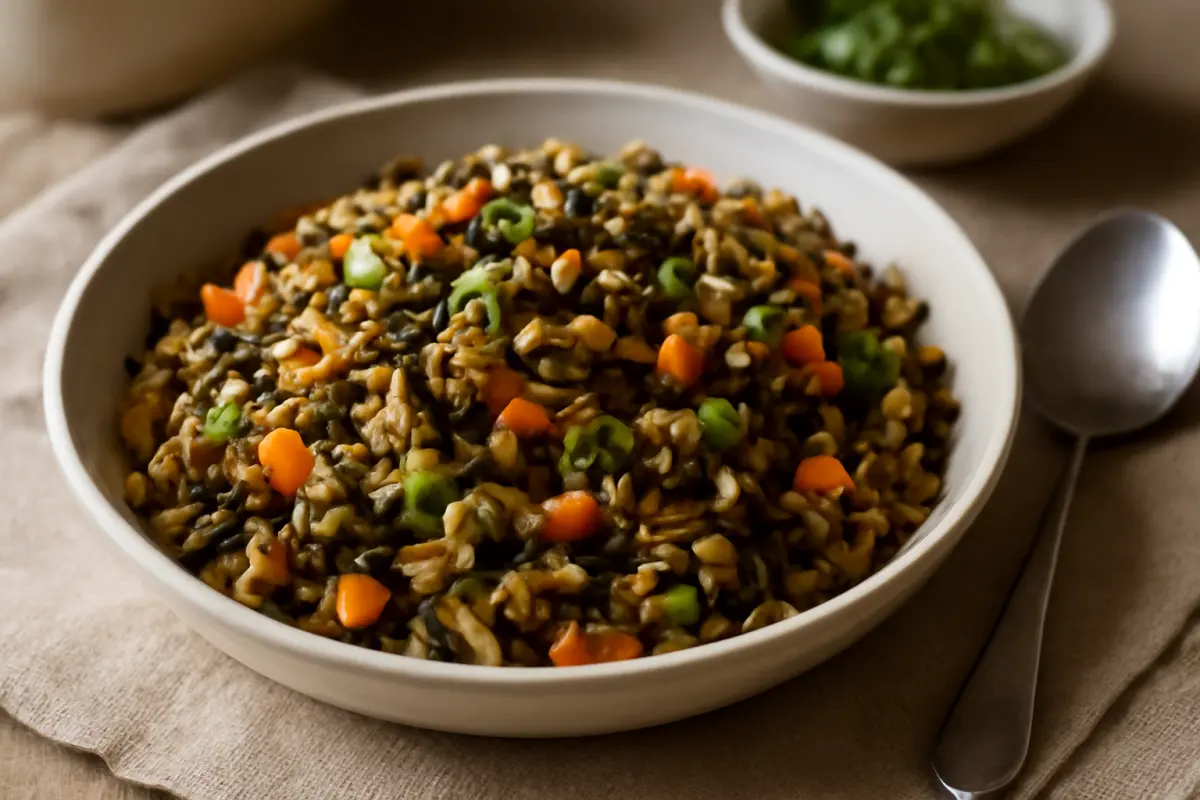
This wild rice pilaf combines nutty, tender-chewy grains with sautéed onion and celery, toasted pecans, dried cranberries, and fresh parsley. It is a flavorful side dish for weeknight dinners or holiday tables.
Overview
This wild rice pilaf has distinct, pleasantly chewy grains rather than the soft texture of white rice. The rice simmers in broth with onion, celery, garlic, thyme, and a bay leaf, then gets finished with toasted pecans, dried cranberries, parsley, and lemon.
The recipe makes about 6 cups, enough for 6 side-dish servings. Use pure wild rice for the stated cooking time; wild rice blends need less liquid and may finish sooner, so check the substitution notes before cooking.
Ingredients
- 1 cup (about 185 g) uncooked wild rice, rinsed under cold water
- 2 tablespoons unsalted butter, divided
- 1 tablespoon olive oil
- 1 medium yellow onion, finely diced
- 2 celery stalks, finely diced
- 2 garlic cloves, minced
- 3 cups low-sodium vegetable or chicken broth
- 1 teaspoon kosher salt, plus more to taste
- 1/2 teaspoon freshly ground black pepper
- 1 teaspoon dried thyme
- 1 bay leaf
- 1/2 cup pecan halves, roughly chopped
- 1/3 cup dried cranberries
- 1/4 cup chopped fresh parsley
- 1 teaspoon finely grated lemon zest
- 1 tablespoon fresh lemon juice
How to make it
Rinse the rice. Put the wild rice in a fine-mesh strainer and rinse under cold running water for about 30 seconds. Let it drain well. Rinsing removes loose surface starch and helps the cooked grains stay distinct.
Toast the pecans. Melt 1 tablespoon of the butter in a large, heavy saucepan or Dutch oven over medium heat. Add the pecans and cook for 3 to 4 minutes, stirring often, until fragrant and lightly browned. Transfer them to a bowl so they do not continue cooking in the hot pan.
Sauté the vegetables. Add the remaining 1 tablespoon butter and the olive oil to the pan. Add the onion and celery with a pinch of the measured salt. Cook for 6 to 8 minutes, stirring occasionally, until the onion is translucent and the celery has softened. Add the garlic and cook for 30 seconds, just until fragrant.
Coat the rice. Stir in the rinsed wild rice, black pepper, and dried thyme. Cook for 1 minute, stirring, so the rice is coated with the butter and oil.
Simmer. Pour in the broth and add the remaining salt and bay leaf. Bring the liquid to a boil, then reduce the heat to low. Cover and simmer for 45 to 55 minutes. The rice is ready when many grains have split open and the centers are tender but still pleasantly chewy. A few grains may remain closed; that is normal.
Rest and drain if needed. Remove the pan from the heat and let the rice stand, covered, for 10 minutes. If a small amount of broth remains after resting, drain it thoroughly. Remove the bay leaf.
Finish the pilaf. Fluff the rice gently with a fork. Fold in the toasted pecans, dried cranberries, parsley, lemon zest, and lemon juice. Taste and add more salt, pepper, or lemon juice if needed. Serve warm.
Expert tips
- Expect a chewy texture. Pure wild rice should be tender enough to bite easily but should not become soft and creamy. If the centers are hard after 55 minutes, add 1/4 cup hot broth or water, cover, and simmer for another 5 to 10 minutes.
- For a wild rice blend, adjust the liquid. Use 1 cup wild rice blend with 2 1/4 cups broth, follow the package cooking time, and begin checking after 25 minutes. Different blends contain different proportions of brown or white rice.
- Prevent soggy pilaf. Keep the heat low once the broth boils, and drain any excess liquid after the covered rest instead of letting the rice continue absorbing it.
- Keep the pecans crisp. Stir them in just before serving. For a nut-free version, replace them with 1/2 cup toasted pumpkin seeds or sunflower seeds.
- Make it vegetarian. Use vegetable broth. For a vegan pilaf, replace the butter with an additional tablespoon of olive oil.
- Balance the sweetness. If you do not want dried cranberries, substitute 1/3 cup chopped dried apricots or leave the fruit out and add an extra tablespoon of lemon juice to taste.
Serving and storage
Serve the pilaf warm as a side dish with roasted vegetables, poultry, pork, or a vegetarian main course. It can also be served at room temperature, but the grains will firm slightly as they cool; loosen them with a tablespoon of warm broth before serving.
Refrigerate leftovers in a covered container within 2 hours of cooking and use them within 3 to 4 days. Reheat in a covered saucepan or microwave with 1 to 2 tablespoons of broth or water, stirring once, until steaming hot throughout. The cooked pilaf can be frozen in airtight portions for up to 2 months; thaw it in the refrigerator and refresh it with a splash of broth while reheating.
Frequently asked questions
Does wild rice need to be soaked before making pilaf?
No. Rinsing is enough for this recipe. Soaking can shorten the cooking time, but it also makes the result less predictable, especially when using wild rice from different producers.
How do I know when wild rice is cooked?
Most grains will split open and curl slightly, showing a tender interior. The grains should still have a firm, pleasantly chewy bite, not a crunchy center or a mushy texture.
Can I make wild rice pilaf ahead of time?
Yes. Cook it up to 2 days ahead and refrigerate it without the pecans if you want them to stay crisp. Reheat the rice with a splash of broth, then stir in the pecans, herbs, and lemon just before serving.
Why is my wild rice pilaf watery?
The rice may have finished before all the broth evaporated, or the heat may have been too low for the liquid to simmer. Drain the excess liquid after the 10-minute rest, then return the rice to the warm pan for 1 to 2 minutes if it needs to dry slightly.