Recipes
Creamy Pesto Chicken Pasta Recipe
This creamy pesto chicken pasta combines tender, golden chicken and al dente pasta in a silky Parmesan-pesto sauce. It is a practical weeknight dinner that comes together in about 30 minutes.
Overview
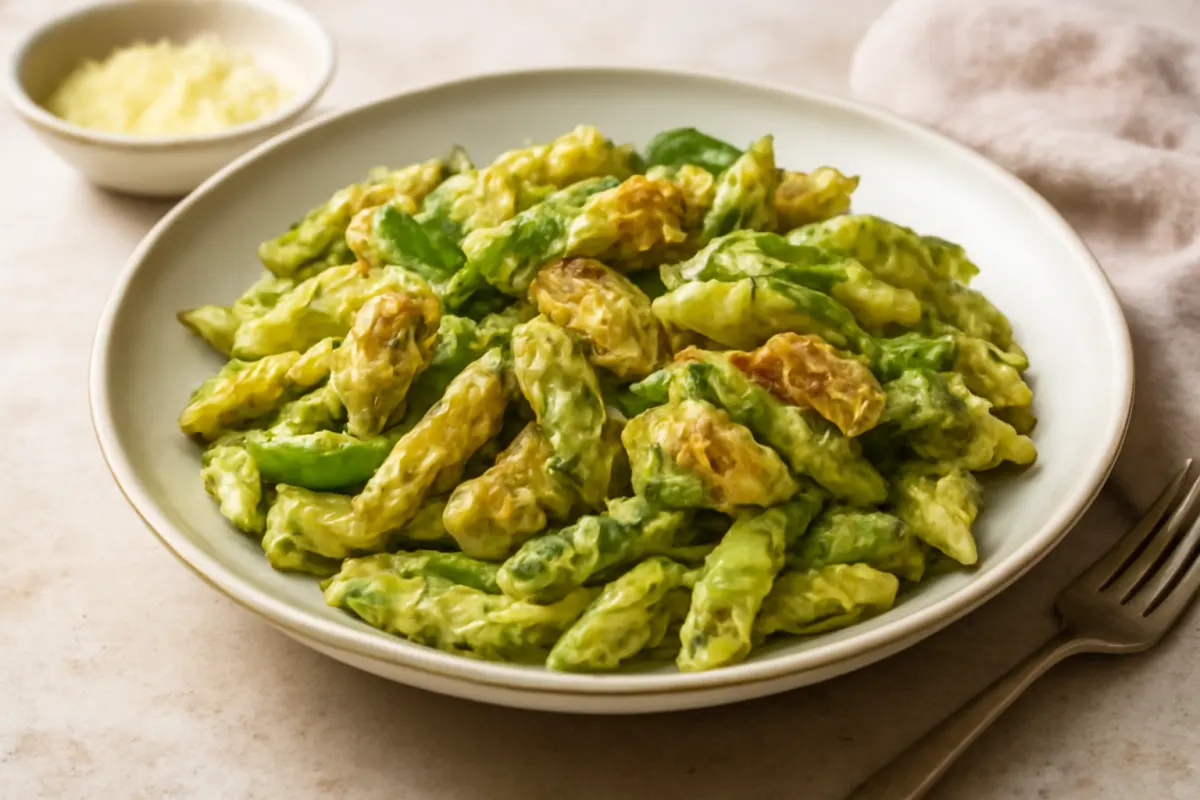
This creamy pesto chicken pasta pairs bite-size pieces of golden chicken with pasta coated in a rich, basil-scented sauce. Parmesan adds savory depth, while reserved pasta water helps the sauce turn smooth and glossy instead of heavy.
The recipe makes four servings and works best with short pasta such as penne, fusilli, or rigatoni, although linguine or spaghetti will also work. Cook the pasta just until al dente, then finish it in the sauce so every piece is coated.
Ingredients
- 12 ounces penne, fusilli, or rigatoni
- 1 pound boneless, skinless chicken breasts or thighs, cut into 1-inch pieces
- 1 teaspoon kosher salt, divided, plus more for the pasta water
- 1/2 teaspoon freshly ground black pepper, divided
- 2 tablespoons olive oil
- 3 garlic cloves, finely minced
- 1 cup heavy cream
- 1/2 cup basil pesto, homemade or store-bought
- 1/2 cup finely grated Parmesan cheese, plus more for serving
- 1/2 cup reserved pasta water, as needed
- 1 tablespoon lemon juice
- 2 tablespoons chopped fresh basil, optional
- Red pepper flakes, optional, for serving
How to make it
Bring a large pot of water to a boil. Salt it generously, then add the pasta. Cook according to the package directions until it is al dente: tender through the center but still slightly firm when bitten. Before draining, scoop out at least 1 cup of the pasta water. Drain the pasta and set it aside.
While the pasta cooks, pat the chicken dry. Toss it with 1/2 teaspoon of the salt and 1/4 teaspoon of the pepper. Heat the olive oil in a large skillet over medium-high heat. Add the chicken in a single layer, leaving space between the pieces. Cook for 3 to 4 minutes per side, turning once, until browned and no longer pink in the center. The thickest piece should reach 165°F. Transfer the chicken to a plate.
Reduce the heat to medium. Add the garlic to the same skillet and cook for 30 to 45 seconds, stirring constantly, until fragrant but not browned. If the skillet looks dry or the garlic starts to darken immediately, add a teaspoon of olive oil and lower the heat.
Pour in the cream and scrape up any browned bits from the bottom of the skillet. Simmer gently for 2 to 3 minutes, stirring occasionally. Do not let the cream boil hard; it should be hot and slightly thickened, with small bubbles around the edges.
Turn the heat to low. Stir in the pesto, Parmesan, remaining 1/2 teaspoon salt, and remaining 1/4 teaspoon pepper. Add 1/4 cup of the reserved pasta water and stir until the cheese melts into a smooth sauce. Pesto can vary in saltiness, so taste before adding more salt.
Add the drained pasta and cooked chicken to the skillet. Toss for 1 to 2 minutes, adding more pasta water a tablespoon or two at a time until the sauce looks glossy and clings to the pasta. It should coat the noodles without pooling heavily in the pan. If the sauce looks thin, keep tossing over low heat for another minute; if it looks tight, add more pasta water.
Remove the skillet from the heat and stir in the lemon juice. Taste and adjust the pepper, salt, or lemon juice. Serve immediately with extra Parmesan, chopped basil, and red pepper flakes if desired.
Expert tips
- Cut the chicken into evenly sized pieces so the smaller pieces do not dry out before the larger ones are cooked.
- Do not rinse the pasta. Its surface starch helps the pesto cream sauce cling to the noodles.
- Add pesto over low heat rather than frying it. Gentle heat keeps the sauce fresh-tasting and reduces the chance of separation.
- For a lighter sauce, replace up to half of the cream with whole milk, but avoid boiling the mixture because milk is more likely to curdle.
- Jarred pesto is a practical substitute for fresh pesto. If it is very thick, stir it with a tablespoon of warm pasta water before adding it to the skillet.
- If you prefer a similar chicken-and-pasta dinner with a brighter, less creamy sauce, try this lemon garlic chicken pasta.
- For a one-skillet chicken meal with spinach, sun-dried tomatoes, and Parmesan, see this creamy Tuscan chicken.
Serving and storage
Serve the pasta hot, ideally as soon as the sauce is finished. A simple green salad or steamed vegetables can balance the creamy main dish.
Refrigerate leftovers in a covered container within 2 hours of cooking and use them within 3 to 4 days. Reheat individual portions gently in a skillet or microwave with a splash of water, milk, or cream, stirring occasionally. The sauce will thicken when chilled, so add liquid gradually until it loosens. Do not repeatedly reheat the entire batch, as the chicken can become dry and the sauce may separate.
Frequently asked questions
Can I use chicken thighs instead of chicken breast?
Yes. Boneless, skinless chicken thighs stay juicy and work well in this recipe. Cut them into 1-inch pieces and cook until the thickest piece reaches 165°F; they may need an extra minute or two compared with chicken breast.
Can I make creamy pesto chicken pasta without heavy cream?
For a lighter version, use 1/2 cup whole milk plus 1/2 cup low-sodium chicken broth. Simmer gently, then add the pesto and Parmesan over low heat. The sauce will be less rich and may need a little extra pasta water to become glossy.
Why did my pesto cream sauce separate?
High heat, vigorous boiling, or adding pesto to a very hot pan can cause the oil and dairy to separate. Keep the heat low when adding pesto and Parmesan, then loosen the sauce gradually with warm pasta water while tossing.
How do I thicken a watery pesto pasta sauce?
Toss the pasta and chicken in the skillet over low heat for another minute or two so the pasta starch can thicken the sauce. Add Parmesan a tablespoon at a time if needed, but avoid adding dry flour directly to the finished sauce.
Can I use a different type of pasta?
Yes. Penne, fusilli, rigatoni, farfalle, linguine, and spaghetti all work. Short shapes hold the chicken and sauce well, while long pasta benefits from thorough tossing with the reserved pasta water.