Recipes
Fettuccine Alfredo Recipe
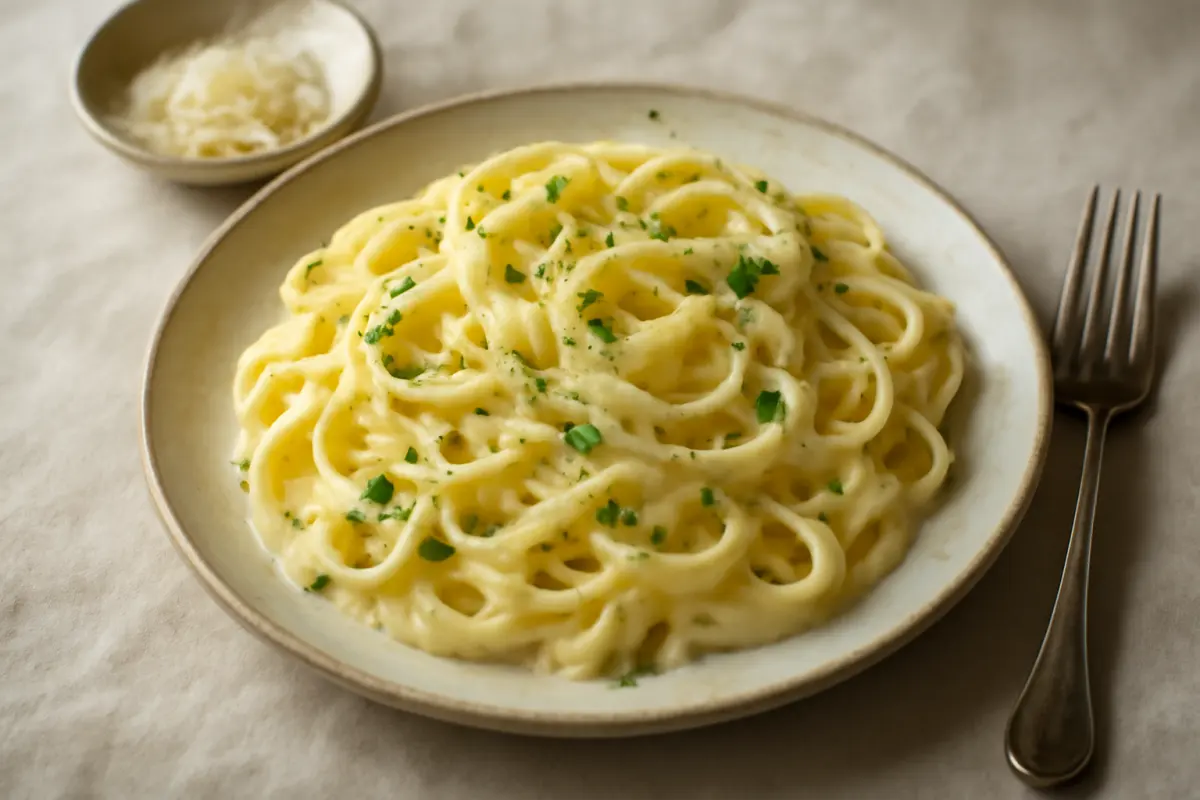
This fettuccine Alfredo recipe makes four generous servings of silky pasta coated in a buttery Parmesan cream sauce. The key is to finish the pasta in the sauce with reserved pasta water so it stays glossy instead of thick or greasy.
Overview
This fettuccine Alfredo is a simple stovetop pasta made with butter, heavy cream, Parmesan, and freshly cooked fettuccine. The sauce comes together in the time it takes to boil the pasta, making it a practical dinner when you want something rich and comforting without a long ingredient list.
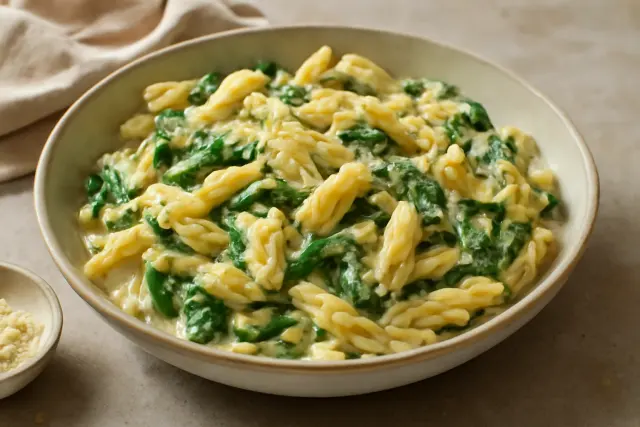
Use finely grated Parmesan and finish the noodles directly in the skillet. A splash of reserved pasta water helps the sauce cling to the pasta and keeps it smooth as the cheese melts. For another creamy pasta dinner, try this creamy mushroom pasta recipe or creamy spinach artichoke pasta recipe.
Ingredients
- 12 ounces dried fettuccine
- 1 teaspoon fine salt, plus more for the pasta water if needed
- 6 tablespoons unsalted butter, divided
- 1 cup heavy cream
- 1 small garlic clove, finely grated or minced (optional)
- 1 cup finely grated Parmesan cheese, about 3 ounces, plus more for serving
- 1/4 teaspoon freshly ground black pepper
- 1/4 teaspoon fine salt, only if needed after tasting
- 2 to 3 tablespoons chopped fresh parsley, optional
How to make it
Boil the pasta water. Bring a large pot of water to a rolling boil. Salt it generously; the water should taste clearly seasoned, but the exact amount depends on the size of your pot and how much water you use.
Cook the fettuccine. Add the pasta and stir during the first minute to keep the strands from sticking. Cook according to the package directions, stirring occasionally, until the noodles are just tender but still have a slight firmness in the center. Start checking about 2 minutes before the suggested cooking time.
Reserve pasta water. Before draining, scoop out at least 1 1/2 cups of the starchy cooking water. Drain the pasta, but do not rinse it. The starch on the noodles helps the sauce adhere.
Start the sauce. While the pasta cooks, melt 4 tablespoons of the butter in a large skillet over medium-low heat. If using garlic, add it and cook for about 30 seconds, just until fragrant. Do not let it brown. Pour in the cream and bring it to a gentle simmer. Cook for 2 to 3 minutes, stirring, until it is warm and slightly reduced but not thick like a finished sauce.
Add the pasta. Transfer the drained fettuccine to the skillet. Add the remaining 2 tablespoons butter and 1/2 cup of the reserved pasta water. Toss with tongs for 1 to 2 minutes, lifting and turning the noodles until they are evenly coated and the butter has melted.
Melt in the Parmesan. Remove the skillet from the heat. Add the Parmesan in three additions, tossing well after each one. Add another splash of pasta water, 1 tablespoon at a time, if the sauce looks tight or the cheese starts clumping. The finished sauce should look glossy and fluid in the skillet; it will thicken slightly as it stands.
Season and serve. Taste the pasta before adding salt because Parmesan and salted pasta water provide plenty of seasoning. Add the black pepper and only as much extra salt as needed. Toss in the parsley, if using, and serve immediately with more Parmesan.
Expert tips
- Grate the cheese finely. A fine grate melts more evenly than thick shreds. Pre-grated Parmesan can contain anti-caking ingredients that make the sauce less smooth, so freshly grated cheese gives the most reliable texture.
- Keep the heat low. Boiling cream or cooking the cheese over high heat can cause a grainy or greasy sauce. Add the Parmesan off the heat and use the pasta water to adjust the consistency.
- Do not skip the pasta water. Its starch helps emulsify the butter, cream, and cheese. Reserve more than you think you need because it is easier to loosen a thick sauce than fix dry pasta.
- If the sauce is too thick, toss in warm pasta water 1 tablespoon at a time until it flows around the noodles. If it is too loose, keep tossing off the heat for another minute; the cheese will continue to thicken it.
- If the sauce looks oily, take the skillet off the heat and add a small splash of pasta water while tossing vigorously. The water can help bring the fat and cheese back together.
- For a lighter substitution, use half-and-half, but expect a thinner sauce and simmer it gently rather than boiling. Milk alone is not a dependable one-for-one replacement for heavy cream; if you use it, the finished sauce will be less rich and may need more careful stirring.
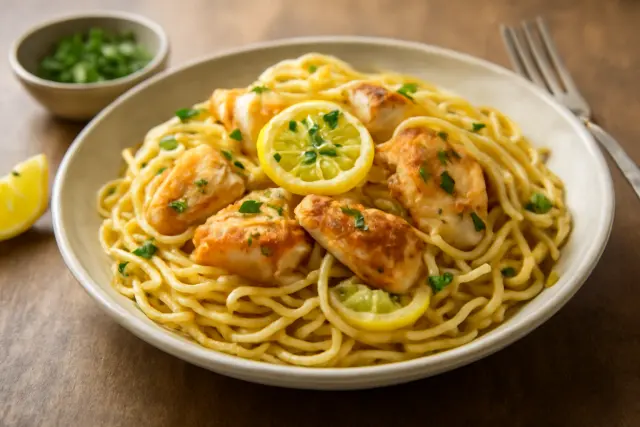
- For a richer variation, add 1/4 teaspoon nutmeg with the black pepper. For protein, fold in sliced cooked chicken or sautéed shrimp after the sauce is smooth. This lemon garlic chicken pasta recipe uses a brighter lemon-and-garlic direction with pasta and Parmesan.
Serving and storage
Serve the pasta as soon as it is finished, while the sauce is glossy and loose. Warm bowls help keep the cream sauce fluid. Add extra Parmesan and black pepper at the table.
Refrigerate leftovers in a covered container within 2 hours of cooking and use them within 3 days. The sauce will thicken when cold. Reheat gently in a skillet over low heat with 1 to 2 tablespoons of water, milk, or cream per serving, tossing until warmed through. Avoid high heat, which can make the cheese separate. Freezing is not recommended because the cream-and-cheese sauce may become grainy when thawed.
Frequently asked questions
How do I keep fettuccine Alfredo from becoming grainy?
Use finely grated Parmesan, keep the cream at a gentle simmer rather than a boil, and remove the skillet from the heat before adding the cheese. Toss in reserved pasta water a tablespoon at a time if the sauce becomes too thick.
Why is my Alfredo sauce too thick?
The pasta may have absorbed more liquid than expected, or the sauce may have stood too long. Toss in warm reserved pasta water one tablespoon at a time until the sauce loosens and coats the noodles smoothly.
Can I make fettuccine Alfredo without heavy cream?
Yes, half-and-half can replace the heavy cream, although the sauce will be thinner. Milk alone is less reliable because it lacks the same richness; use gentle heat and adjust the sauce with Parmesan and pasta water.
Can I make the sauce ahead of time?
It is best made just before serving because the cheese sauce thickens as it cools. If necessary, reheat it gently with a splash of water, milk, or cream and toss until smooth.
What can I add to fettuccine Alfredo?
Sliced cooked chicken, sautéed shrimp, peas, broccoli, mushrooms, spinach, parsley, black pepper, or a small amount of lemon zest all work well. Add cooked vegetables or protein after the sauce is smooth so they do not dilute it.