Recipes
Plain Naan Recipe
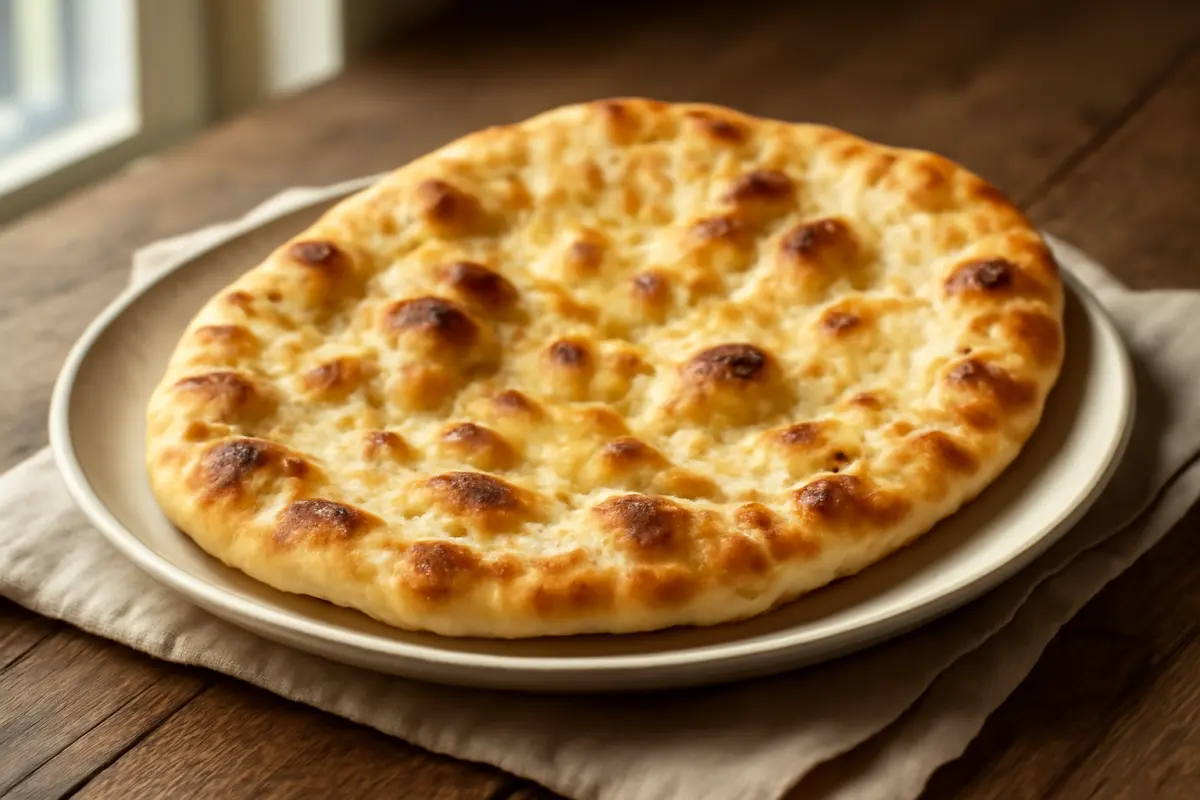
This plain naan recipe makes eight soft, lightly blistered flatbreads with a tender center and chewy edges. The dough is easy to mix, rises once, and cooks in a hot skillet without a tandoor.
Overview
This plain naan recipe makes eight soft, chewy flatbreads with lightly blistered surfaces and tender centers. Yogurt keeps the dough supple, while a short rise gives the naan a little lift without making the method complicated.
Cook the naan one at a time in a very hot heavy skillet. It should puff in places, develop brown spots, and remain flexible rather than crisp. Serve it immediately with curry, dal, or a little melted butter.
Ingredients
- 3 cups (375 g) plain all-purpose flour, plus extra for shaping
- 1 teaspoon instant yeast
- 1 teaspoon granulated sugar
- 1 teaspoon fine salt
- 1/2 cup (120 g) plain yogurt, preferably full-fat
- 1/2 cup (120 ml) warm milk, about 100–110°F (38–43°C)
- 2 tablespoons neutral oil, plus more for the bowl and skillet if needed
- 2 to 4 tablespoons warm water, only as needed
- 2 tablespoons melted butter or ghee, for brushing
- 1 tablespoon chopped cilantro, optional, for finishing
How to make it
Mix the dough. Add the flour, yeast, sugar, and salt to a large bowl. Stir in the yogurt, warm milk, and oil. Mix with a spoon or your hand until a shaggy dough forms. If dry flour remains after a minute of mixing, add warm water 1 tablespoon at a time.
Knead until smooth. Transfer the dough to a lightly oiled work surface and knead for 6–8 minutes. It should become smooth, soft, and slightly tacky, but it should not cling heavily to your fingers. If it feels stiff, knead in 1 teaspoon of water at a time. If it is very sticky, dust the surface with flour sparingly; too much flour makes the naan firm.
Let the dough rise. Lightly oil the bowl, return the dough, and turn it once to coat. Cover with a plate or reusable cover and leave in a warm, draft-free place for 1–1 1/2 hours, until visibly puffy and close to doubled in size. In a cool kitchen, it may take longer.
Divide the dough. Press the air out gently and divide the dough into 8 equal pieces, about 85 g each. Shape each piece into a smooth ball by tucking the edges underneath. Cover the balls with a clean damp towel and rest for 10 minutes. This short rest makes them easier to stretch.
Heat the skillet. Put a heavy cast-iron or thick-based skillet over medium-high to high heat. Heat it for at least 5 minutes. The surface is ready when a flick of water evaporates almost immediately. Do not add oil at this stage.
Shape one naan. Lightly flour a dough ball and press it into a round. Stretch or roll it into an oval about 8 inches (20 cm) long and 1/8 inch (3 mm) thick. Keep the center slightly thicker than the edges if you like a softer middle. Avoid pressing all the air out of the dough.
Cook the first side. Lightly dampen one side of the shaped naan with water. Place the wet side against the hot skillet and press gently for a few seconds so it adheres. Cook for 45–75 seconds, until bubbles form and the top looks mostly set.
Cook the second side. Turn the skillet over a gas flame only if it is designed and safe for that use; otherwise, simply flip the naan in the skillet. Cook the second side for 30–60 seconds, until it has scattered golden-brown spots and the dough is cooked through. The naan should bend easily when lifted, not feel wet or doughy in the thickest part.
Finish and keep warm. Transfer the naan to a plate and brush with melted butter or ghee. Sprinkle with cilantro if using, then cover with a clean towel. Repeat with the remaining dough, adjusting the heat if the naan is browning before it puffs.
Serve. Serve the naan hot, while the edges are still soft and the blistered spots are fragrant. It pairs especially well with a saucy curry such as chicken korma or a fresh dip such as mint chutney.
Expert tips
- Use the water sparingly. Yogurt thickness varies, so the dough may need anywhere from 2 tablespoons of water to none. Add it gradually rather than correcting an overly wet dough with lots of flour.
- Do not rush the skillet. A lukewarm pan dries the naan before it puffs. Preheat thoroughly, then cook each piece promptly after shaping.
- Adjust the heat by the color. If dark spots appear in under 30 seconds, lower the heat slightly. If the naan stays pale and firm after 90 seconds, increase the heat.
- If the dough keeps shrinking, rest it. Cover the piece for another 5–10 minutes before rolling. Gluten that has not relaxed will pull the naan back into a smaller shape.
- For dairy-free naan, replace the yogurt with an unsweetened plant-based yogurt and use unsweetened plant milk. The dough should still be soft and slightly tacky.
- For instant-yeast-free naan, use 1 1/2 teaspoons baking powder and 1/4 teaspoon baking soda instead of the yeast. Skip the long rise and rest the mixed dough for 30 minutes before dividing; the texture will be a little less chewy.
Serving and storage
Serve plain naan immediately with curry, lentils, grilled meat, or vegetables. Brush with butter or ghee just before serving rather than mixing it into the dough.
Cool leftover naan completely, then place it in an airtight container or zip-top bag. Refrigerate for up to 3 days. Reheat in a dry skillet over medium heat for 30–60 seconds per side, or wrap in foil and warm in a 350°F (175°C) oven until heated through. For longer storage, freeze the cooled naan in a sealed freezer bag for up to 2 months and reheat directly from frozen in a covered skillet or oven.
Frequently asked questions
Why is my naan hard instead of soft?
The dough may have been too dry, the skillet may not have been hot enough, or the naan may have cooked too long. Keep the dough slightly tacky, preheat the skillet thoroughly, and remove each naan once it has brown spots and feels flexible.
Can I make plain naan without a tandoor?
Yes. A very hot heavy skillet works well. Cook the water-brushed side first, then flip it when bubbles form and the top is mostly set. A tandoor-style gas-flame finish is optional and should only be used with cookware designed for it.
How do I know when naan dough has risen enough?
After 1–1 1/2 hours, the dough should look puffy and be close to doubled. Press it gently with a fingertip; the indentation should spring back slowly rather than immediately disappearing.
Can I prepare the dough ahead of time?
Yes. After kneading, cover the oiled dough and refrigerate it for up to 24 hours. Let it sit at room temperature for about 45–60 minutes before dividing so it is soft enough to shape.