Recipes
Banana Bread Recipe
This easy banana bread recipe makes one tender, warmly flavored loaf with three ripe bananas, melted butter, and a soft crumb. Follow the visual doneness cues for a loaf that is baked through without drying out.
Overview
This banana bread recipe makes one 9-by-5-inch loaf with a moist, tender crumb and concentrated banana flavor. Very ripe bananas work best because they mash easily and bring more sweetness to the batter.
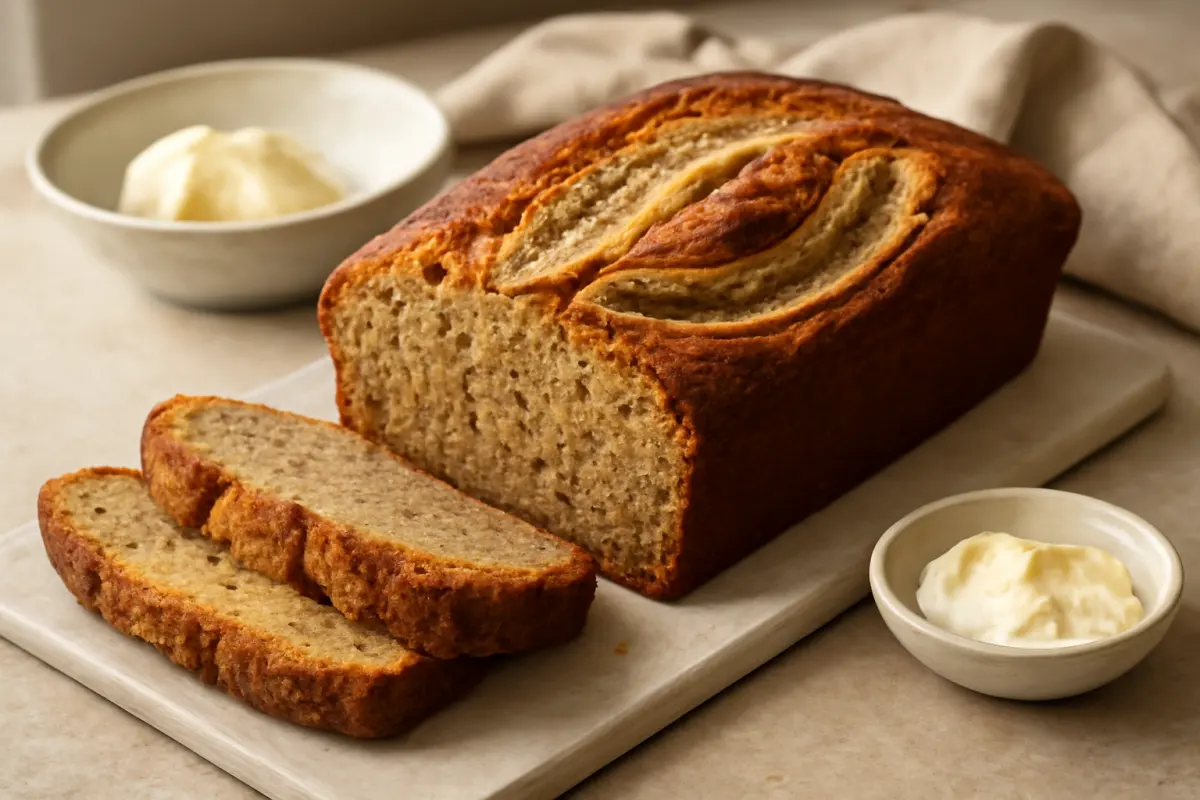
The method is simple, but a few details matter: mix the batter only until the flour disappears, use the correct loaf-pan size, and wait until the center is set before slicing. The finished loaf should be golden brown on top, slightly domed, and firm enough that a skewer inserted in the middle comes out with a few moist crumbs.
Ingredients
- 3 very ripe medium bananas, peeled; about 1 1/4 cups mashed
- 1/2 cup (113 g) unsalted butter, melted and cooled for 5 minutes
- 3/4 cup (150 g) light brown sugar, packed
- 2 large eggs, lightly beaten
- 1 teaspoon vanilla extract
- 1 1/2 cups (188 g) all-purpose flour
- 1 teaspoon baking soda
- 1/2 teaspoon fine salt
- 1/2 teaspoon ground cinnamon
- 1/2 cup (60 g) chopped walnuts or pecans, optional
- Butter or neutral oil for greasing the pan
How to make it
Prepare the pan and oven. Heat the oven to 350°F (175°C). Lightly grease a 9-by-5-inch loaf pan, then line it with a strip of parchment paper that hangs over the two long sides. The overhang will make the baked loaf easier to lift out.
Mash the bananas. Put the peeled bananas in a large mixing bowl and mash them with a fork until mostly smooth. A few small soft lumps are fine; avoid leaving large pieces, which can create wet patches in the loaf.
Mix the wet ingredients. Whisk the melted butter, brown sugar, eggs, and vanilla into the mashed bananas until smooth and evenly combined. The butter should be warm or cool, not hot. Hot butter can partially cook the eggs.
Combine the dry ingredients. In a separate bowl, whisk together the flour, baking soda, salt, and cinnamon. This distributes the baking soda and salt so the loaf rises and seasons evenly.
Make the batter. Add the dry mixture to the banana mixture. Fold with a spatula just until no dry streaks remain. Do not keep stirring once the flour has disappeared; overmixing can make the bread dense and chewy. Fold in the chopped nuts, if using.
Fill the pan. Scrape the batter into the prepared loaf pan and smooth the top. The pan should be no more than about two-thirds full. If your pan is noticeably smaller than 9 by 5 inches, reserve a little batter for a muffin rather than risking overflow.
Bake. Bake on the center rack for 55 to 70 minutes. Begin checking at 55 minutes. The loaf is ready when the top is deep golden brown, the center has risen and feels springy when pressed lightly, and a skewer inserted into the middle comes out with a few moist crumbs but no wet batter. If the top browns before the center is done, loosely cover it with foil for the remaining baking time.
Cool before slicing. Let the loaf cool in the pan for 15 minutes. Use the parchment overhang to lift it onto a wire rack and cool for at least 45 minutes more. Slicing while it is very hot can make the crumb seem gummy, even when the loaf is fully baked.
Expert tips
- Use ripe bananas: Bananas with plenty of brown or black speckles give the best flavor and moisture. If your bananas are yellow and firm, the loaf will be less sweet and less fragrant.
- Measure flour carefully: Spoon flour into a measuring cup and level it, or weigh 188 g. Scooping directly from the flour bag can add too much and produce a dry loaf.
- Avoid a gummy center: The most common causes are underbaking, excess banana, or slicing too soon. Measure the mashed banana rather than adding unlimited fruit.
- For a less sweet loaf: Reduce the brown sugar to 1/2 cup (100 g). The bread will still work, but it will be slightly less moist and less caramel-like.
- For a dairy-free version: Replace the butter with 1/2 cup (120 ml) neutral oil, such as canola or sunflower oil. The texture will be soft, with less buttery flavor.
- For a nut-free version: Leave out the nuts or add up to 1/2 cup (85 g) chocolate chips instead. Fold them in at the same point as the nuts.
- If the loaf sinks: It was likely underbaked in the center, the batter was overmixed, or the oven door was opened early. Bake until the skewer shows moist crumbs rather than liquid batter.
Serving and storage
Let the loaf cool before cutting it into slices with a serrated knife. Serve it plain, with softened butter, or lightly warmed. It also makes a useful base for a breakfast spread alongside banana pancakes or French toast.
Store the completely cooled loaf in an airtight container or wrap it tightly. Keep it at room temperature for up to 2 days. For longer storage, refrigerate it for up to 4 days; bring slices toward room temperature or warm them briefly before serving. To freeze it, wrap the whole loaf or individual slices well, place them in a freezer-safe bag, and use within 3 months for the best texture. Thaw wrapped slices at room temperature or warm them gently until soft.
Frequently asked questions
Why is my banana bread gummy in the middle?
It is usually underbaked, made with more mashed banana than the recipe calls for, or sliced before cooling. Bake until a skewer inserted in the center comes out with a few moist crumbs but no wet batter, and cool the loaf for at least 45 minutes before slicing.
Can I use frozen bananas for banana bread?
Yes. Thaw them completely, drain off excess liquid, and measure 1 1/4 cups of mashed banana. The bananas may look watery after thawing, so draining helps prevent an overly wet batter.
Can I make banana bread without nuts?
Yes. Simply leave out the walnuts or pecans. You can also replace them with up to 1/2 cup of chocolate chips, or add nothing extra.
How do I know when banana bread is done?
The loaf should be deeply golden on top, spring back lightly in the center, and show no wobble when the pan is moved. A skewer inserted in the middle should come out with a few moist crumbs, not shiny wet batter.